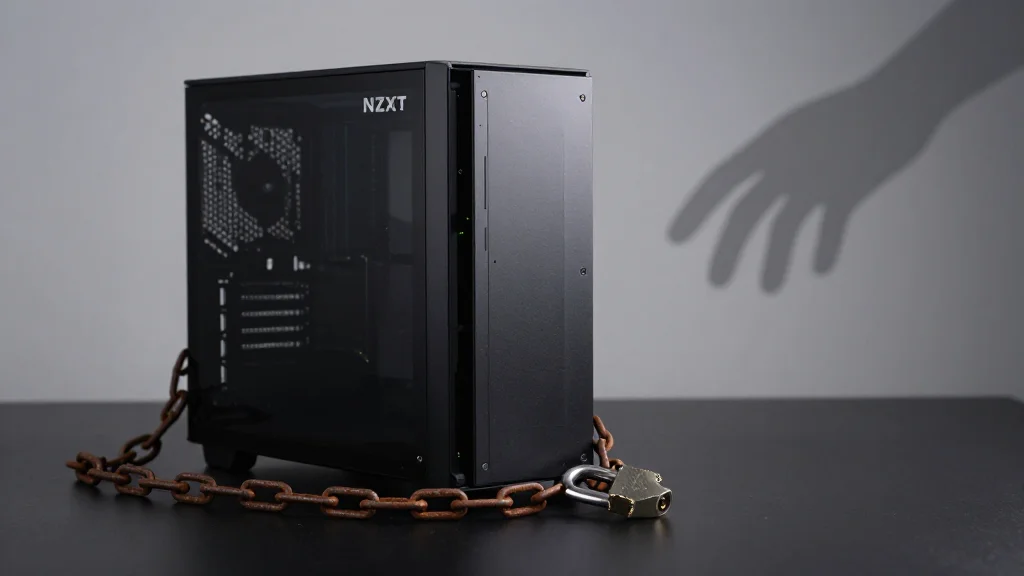
NZXT to Pay $3.45 Million in Class-Action Settlement over "Predatory" Flex PC Rental Scheme
Companies Mentioned
Why It Matters
The settlement highlights growing regulatory scrutiny of subscription‑based hardware models and offers tangible relief to thousands of consumers misled by the Flex PC scheme. It also signals a warning to other tech firms employing similar rent‑to‑own structures.
Key Takeaways
- •NZXT will pay $3.45 million to settle Flex PC rental lawsuit
- •Over 19,000 renters eligible for debt forgiveness, ownership or cash payouts
- •Delinquent members can receive up to $5,000 in debt relief
- •Two‑year participants may keep their PCs under the retention option
Pulse Analysis
The Flex PC program, launched by NZXT in mid‑2024, promised gamers a subscription‑style access to high‑end rigs without the upfront cost of purchase. Marketing materials suggested a rent‑to‑own pathway, yet many customers received machines with lower specifications than advertised, prompting accusations of bait‑and‑switch tactics. Influential tech reviewers, including Gamers Nexus and Tom's Hardware, amplified consumer outrage, leading to a class‑action lawsuit filed in California. This case underscores the friction between innovative financing models and consumer expectations, especially when transparency is lacking.
The court‑approved settlement allocates $3.45 million across three relief streams. Delinquent renters—those more than 90 days behind—can claim up to $5,000 in debt forgiveness from a $923,117 pool. Participants who maintained payments for at least two years and believed they were on a path to ownership are eligible for a PC‑retention option valued at $1.22 million, effectively allowing them to keep the hardware. Remaining funds will be distributed as cash payouts, subject to claim verification and modest legal fees. While the settlement provides immediate financial redress, the disbursement process is expected to be protracted, reflecting typical timelines for class‑action resolutions.
Beyond NZXT, the settlement sends a clear message to the broader tech industry about the risks of subscription‑based hardware offerings. Companies must ensure clear disclosure of contract terms, especially when marketing rent‑to‑own narratives. Regulators are likely to scrutinize similar models for deceptive practices, prompting firms to adopt more consumer‑friendly structures or face litigation. For investors and market watchers, the case serves as a barometer of how quickly consumer‑protection sentiment can translate into legal and financial consequences for hardware manufacturers venturing into the subscription space.
NZXT to pay $3.45 million in class-action settlement over "predatory" Flex PC rental scheme
Comments
Want to join the conversation?
Loading comments...