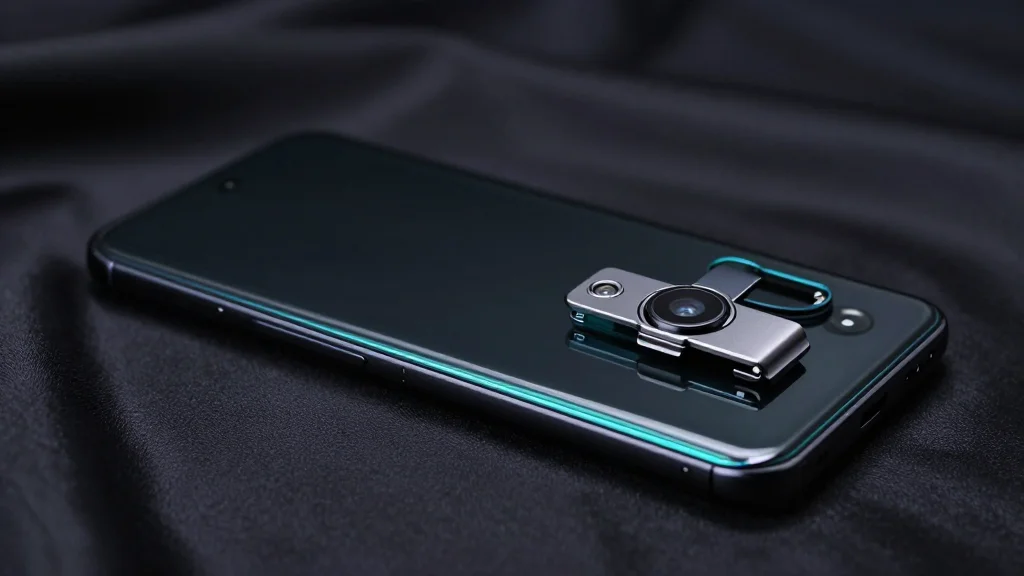
OnePlus Launches Ace 6 Ultra in China with Record 8,600 mAh Silicon‑carbon Battery


Why It Matters
The Ace 6 Ultra’s silicon‑carbon battery pushes the limits of consumer‑grade energy density, a development that could accelerate adoption of larger‑capacity cells across the smartphone industry. If OnePlus can commercialize the technology at scale, competitors may be forced to adopt similar chemistries to stay relevant in the gaming and power‑intensive segments. Beyond the hardware, the product launch underscores how corporate restructuring can reshape brand trajectories. OnePlus’s merger with Realme and its retreat from key Western markets illustrate the pressures on mid‑tier premium brands to consolidate resources, potentially reshaping the competitive landscape for Android manufacturers worldwide.
Key Takeaways
- •OnePlus launched the Ace 6 Ultra in China on April 28, 2026, featuring an 8,600 mAh silicon‑carbon battery.
- •The phone supports 120W wired charging, promising a full charge in just over an hour.
- •Oppo merged OnePlus and Realme into a single product unit on April 29, 2026, under Realme founder Li Bingzhong.
- •OnePlus phones were removed from Best Buy stores in the U.S. three weeks after the launch, signaling a possible market exit.
- •The battery’s silicon‑carbon chemistry offers higher energy density while mitigating degradation, a first for a mainstream flagship.
Pulse Analysis
OnePlus’s Ace 6 Ultra arrives at a crossroads where technological ambition meets corporate pragmatism. The 8,600 mAh silicon‑carbon battery is a genuine engineering win; it demonstrates that the long‑standing barrier of silicon expansion can be tamed for consumer devices. This could trigger a cascade of larger‑capacity phones, especially as mobile gaming and AI‑driven workloads demand more power. However, the breakthrough’s commercial impact hinges on scale. Manufacturing silicon‑carbon anodes at volume remains costlier than graphite, and the merged OnePlus‑Realme unit may prioritize price competitiveness over premium differentiation, potentially limiting the battery’s rollout to price‑sensitive markets.
Strategically, the timing of the launch—immediately before a major internal merger and a retail pull‑back—suggests OnePlus is using the Ace 6 Ultra as a proof‑of‑concept to justify continued investment in high‑end hardware. The removal from Best Buy and the vague “evaluating” language hint that the brand may be consolidating its presence to China and select Asian markets, where demand for gaming phones is strongest. If OnePlus decides to keep the Ace 6 Ultra China‑only, the battery technology could still leak into Realme’s broader portfolio, diluting OnePlus’s premium cache but spreading the innovation more widely.
For consumers, the immediate takeaway is a glimpse of what future flagship phones could look like: longer battery life, faster charging, and dedicated gaming controls. For the industry, the episode underscores how brand survival increasingly depends on aligning product breakthroughs with sustainable business structures. OnePlus’s next move—whether to export the Ace 6 Ultra, integrate its battery into Realme devices, or shelve the technology—will signal how much weight the market places on raw performance versus cost and brand cohesion.
OnePlus launches Ace 6 Ultra in China with record 8,600 mAh silicon‑carbon battery
Comments
Want to join the conversation?
Loading comments...