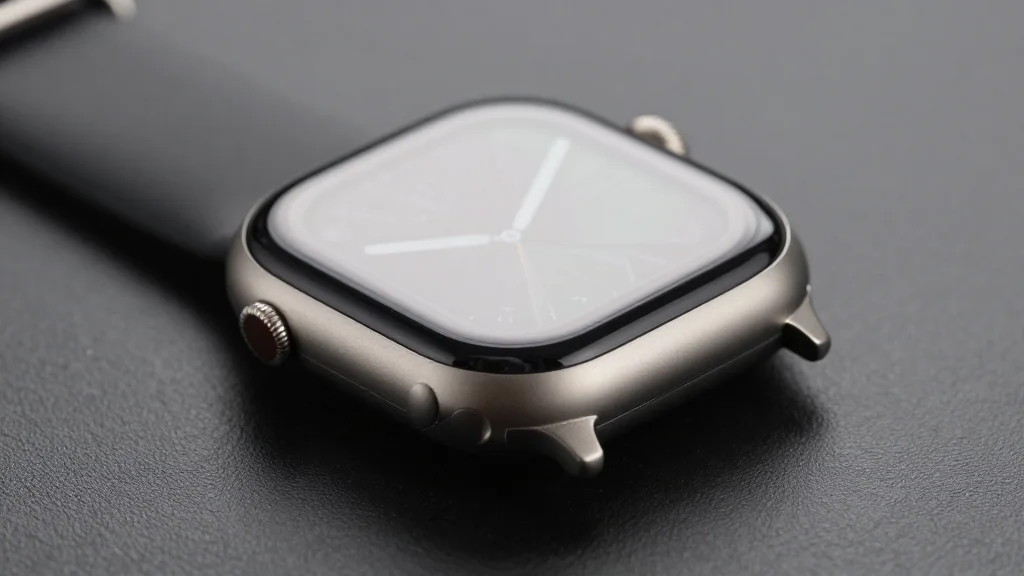
OPPO Unveils Watch X3 Smartwatch with Titanium Case and Up to 16‑Day Battery

Companies Mentioned
Why It Matters
The Watch X3 signals a shift toward luxury‑grade materials in mainstream wearables, challenging the perception that premium design is limited to Apple or Samsung. By pairing titanium with a dual‑chip power strategy, OPPO aims to differentiate on durability and endurance, two attributes that have become decisive for consumers juggling health tracking and daily productivity. If the device gains traction, it could pressure rivals to accelerate material upgrades and battery‑efficiency innovations, reshaping the competitive dynamics of the smartwatch market. Additionally, OPPO’s emphasis on health features—ECG, HRV, and rapid wellness snapshots—aligns with a broader consumer trend toward proactive health management. The Watch X3’s ability to deliver these capabilities without sacrificing battery life may raise the bar for what users expect from a wearable, potentially expanding the overall addressable market for health‑focused smart devices.
Key Takeaways
- •Titanium alloy case delivers high strength, corrosion resistance and a premium feel
- •Weighs 43 g and is 11 mm thick—13.4% lighter and 6.3% thinner than the Watch X2
- •Dual‑Engine Architecture combines Wear OS performance chip with an efficiency MCU
- •Up to 5 days in Smart Mode, up to 16 days in Power Saver Mode on a 646 mAh silicon‑carbon battery
- •Features ECG, 60‑second Wellness Overview, 100+ sport modes and IP69 water/dust resistance
Pulse Analysis
OPPO’s Watch X3 arrives at a moment when the smartwatch market is fragmenting between ecosystem‑centric flagships and niche health‑focused devices. By opting for aerospace‑grade titanium, OPPO is targeting a segment of consumers who value tactile luxury as much as functional performance. Historically, titanium has been reserved for high‑end models like the Apple Watch Hermès or Garmin Fenix series, which command premium price points. OPPO’s decision suggests confidence that its brand equity—bolstered by rapid smartphone growth in Asia—can support a price premium without alienating price‑sensitive buyers.
The dual‑chip architecture is perhaps the more consequential innovation. Wear OS has long struggled with battery life compared to Apple’s watchOS, and OPPO’s solution mirrors a trend seen in smartphones where heterogeneous cores balance power and efficiency. If the seamless switching works as advertised, it could narrow the endurance gap that has kept many Android wearables from mainstream adoption. Competitors may need to accelerate similar architectures or risk losing the health‑conscious segment that demands all‑day tracking without daily charging.
Finally, the Watch X3’s health suite—ECG, rapid wellness snapshots, and extensive sport modes—positions it as a comprehensive health hub. As insurers and employers increasingly incentivize wearable‑based health data, devices that combine durability, long battery life, and robust health metrics become more attractive for bulk procurement. OPPO’s global rollout could therefore have ripple effects beyond individual consumers, influencing corporate wellness programs and potentially reshaping the supply chain for health‑grade components in the consumer tech ecosystem.
OPPO Unveils Watch X3 Smartwatch with Titanium Case and Up to 16‑Day Battery
Comments
Want to join the conversation?
Loading comments...