Physical AI Moves Into the Home Through Familiar
Companies Mentioned
Why It Matters
The Familiar demonstrates a practical rollout of physical AI and edge computing in consumer homes, opening a new market for emotionally aware robotics and driving telecom infrastructure demand for low‑latency AI services.
Key Takeaways
- •Founded by iRobot co‑founder Colin Angle.
- •Familiar robot provides empathetic, non‑judgmental companionship.
- •Edge AI processes vision and audio off‑device.
- •Aims at monitoring seniors and dependent adults.
- •Serves as testbed for physical AI infrastructure.
Pulse Analysis
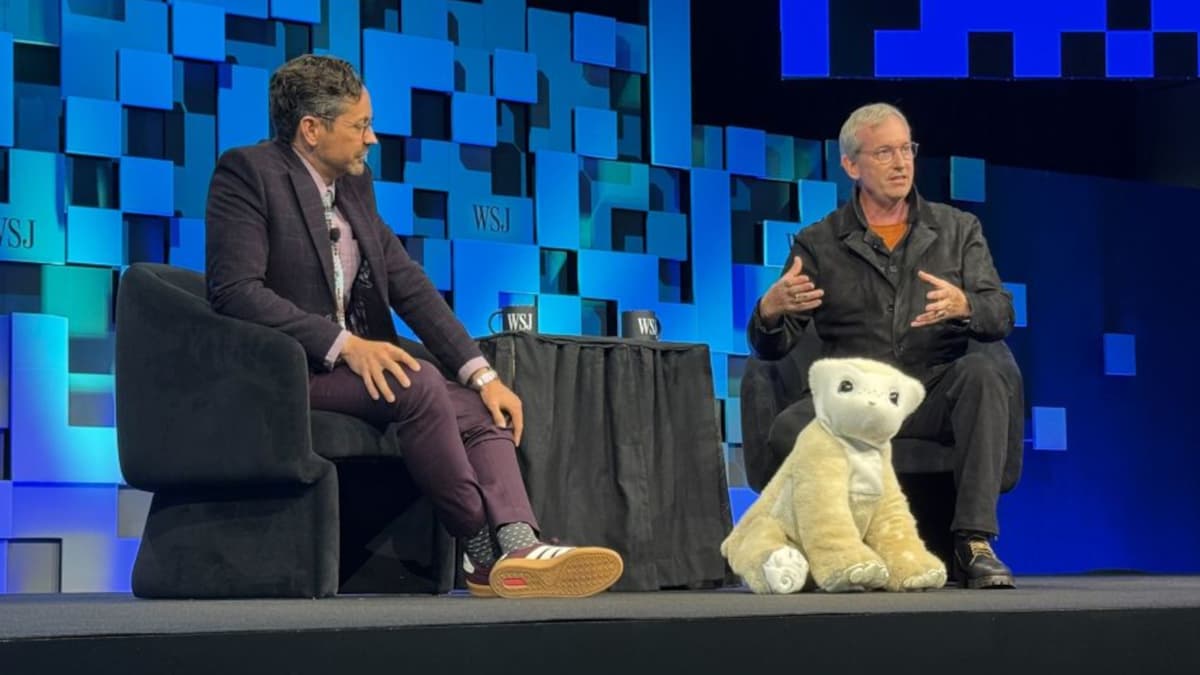
Physical AI is moving beyond industrial automation into everyday living spaces, and Familiar Machines epitomizes that shift. Leveraging the pedigree of iRobot’s Roomba, the new Familiar robot seeks to blend functional assistance with emotional resonance, offering a supportive presence that learns household patterns. This approach reflects a broader consumer appetite for devices that do more than perform chores— they aim to fill a social niche traditionally occupied by pets, while avoiding the pitfalls of overly anthropomorphic machines.
Technically, the Familiar relies on edge‑centric AI, offloading intensive vision and audio analysis to nearby servers rather than processing everything on‑board. This architecture reduces device cost and power consumption while maintaining responsiveness, but it also raises questions about data privacy and network reliability. By targeting elder‑care and dependent‑adult monitoring, the robot positions itself in a high‑need segment where continuous, unobtrusive observation can improve safety and wellbeing. Its ability to listen, detect body language, and provide gentle nudges offers a nuanced alternative to traditional alarm‑based monitoring systems.
For the telecom sector, the Familiar serves as a real‑world testbed for the next generation of edge networks. Scaling such devices will require robust, low‑latency connectivity and seamless integration with AI orchestration platforms. Success could spur a wave of similar physical‑AI products, intensifying competition among cloud providers, device manufacturers, and service operators. While consumer acceptance remains uncertain, the launch signals that the industry is ready to invest in the infrastructure needed to support emotionally aware, AI‑driven companions in the home.
Physical AI moves into the home through Familiar
Comments
Want to join the conversation?
Loading comments...