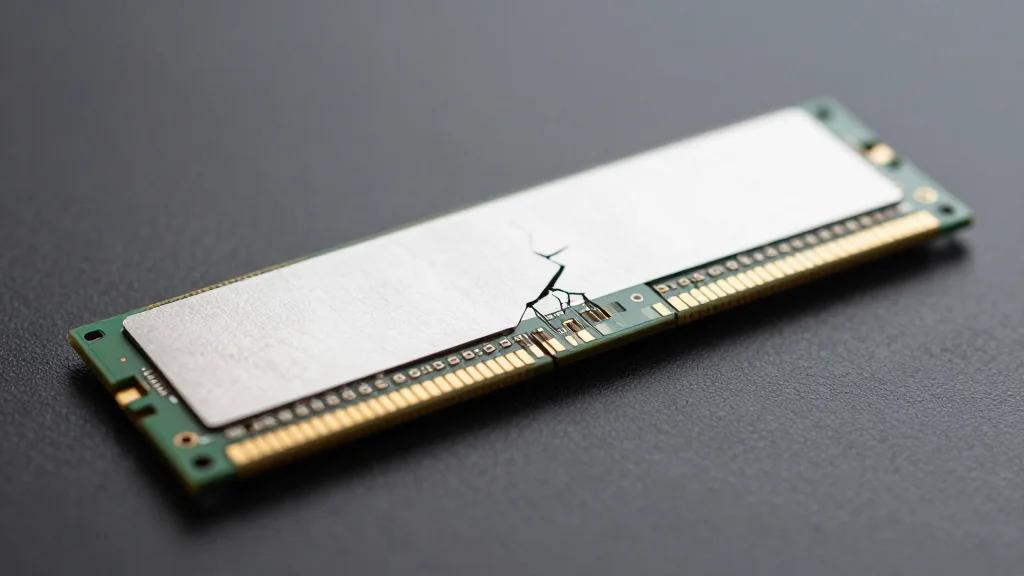
RAMageddon Threatens Laptop, Smartphone and Storage Production as Chip Shortage Deepens

Companies Mentioned

Why It Matters
The RAM shortage strikes at the heart of the consumer‑tech supply chain, where memory is a critical cost driver for virtually every device. A prolonged crunch could force OEMs to raise prices, delay product launches, and shift development focus toward features that do not rely on high‑capacity DRAM, reshaping product roadmaps for the next two years. Beyond immediate pricing pressure, the crisis highlights the growing dependency of mainstream devices on AI‑centric workloads that dominate fab capacity. If memory scarcity persists, it may accelerate investment in alternative memory architectures—such as MRAM or 3D‑XPoint—and spur policy discussions around domestic semiconductor manufacturing to reduce reliance on a narrow set of fabs.
Key Takeaways
- •Samsung has sold out its memory‑fab capacity through the end of 2026
- •AMD projects a 20% drop in second‑half gaming revenue due to higher memory costs
- •Micron exited the consumer RAM market in 2025, tightening supply
- •Apple CEO Tim Cook flagged advanced‑node availability as a top concern
- •Best Buy exec Jason Bonfig says manufacturers will lean on non‑memory features to sustain demand
Pulse Analysis
The RAMageddon episode is a textbook case of supply‑side constraints amplifying demand‑side volatility. Historically, memory shortages have been cyclical, but the current wave is amplified by AI’s appetite for high‑bandwidth, low‑latency DRAM. As AI workloads consume an increasing share of fab capacity, traditional consumer segments—laptops, smartphones, external storage—are being squeezed out, forcing OEMs into a pricing‑power dilemma.
From a strategic standpoint, companies with diversified fab partnerships, like Apple exploring Samsung and Intel, may mitigate some risk, but the underlying scarcity remains a systemic issue. Intel’s acknowledgment that component constraints could dampen demand signals that even chip designers are bracing for a slowdown in downstream sales. Meanwhile, Best Buy’s focus on alternative product attributes suggests a shift in consumer‑marketing playbooks: if memory cannot be guaranteed, differentiation will pivot to design, AI software, and ecosystem lock‑in.
Looking ahead, the market’s response will hinge on two variables: the speed at which new memory fabs become operational and the emergence of viable memory alternatives. Policy incentives for domestic fab expansion could shorten the gap, but such projects typically span 3‑5 years. In the interim, we may see a tiered device ecosystem—premium models with higher‑end DRAM for power users, and cost‑optimized variants with reduced memory footprints—potentially redefining the performance expectations of mainstream consumers.
RAMageddon Threatens Laptop, Smartphone and Storage Production as Chip Shortage Deepens
Comments
Want to join the conversation?
Loading comments...