Consumer Tech News and Headlines
  • All Technology
  • AI
  • Autonomy
  • B2B Growth
  • Big Data
  • BioTech
  • ClimateTech
  • Consumer Tech
  • Crypto
  • Cybersecurity
  • DevOps
  • Digital Marketing
  • Ecommerce
  • EdTech
  • Enterprise
  • FinTech
  • GovTech
  • Hardware
  • HealthTech
  • HRTech
  • LegalTech
  • Nanotech
  • PropTech
  • Quantum
  • Robotics
  • SaaS
  • SpaceTech
AllNewsDealsSocialBlogsVideosPodcastsDigests

Consumer Tech Pulse

EMAIL DIGESTS

Daily

Every morning

Weekly

Sunday recap

NewsDealsSocialBlogsVideosPodcasts
Consumer TechNewsRazer Unveils$500 Flagship Gaming Keyboard — Huntsman Signature Edition Built From CNC-Machined Aluminum, Featuring 8,000 Hz Polling and Snap Tap
Razer Unveils$500 Flagship Gaming Keyboard — Huntsman Signature Edition Built From CNC-Machined Aluminum, Featuring 8,000 Hz Polling and Snap Tap
HardwareConsumer TechGaming

Razer Unveils$500 Flagship Gaming Keyboard — Huntsman Signature Edition Built From CNC-Machined Aluminum, Featuring 8,000 Hz Polling and Snap Tap

•February 19, 2026
0
Tom's Hardware
Tom's Hardware•Feb 19, 2026

Companies Mentioned

Razer

Razer

1337

Why It Matters

The keyboard raises the bar for premium gaming peripherals, offering analog input that could reshape competitive play and signal a shift toward luxury hardware in the esports ecosystem.

Key Takeaways

  • •$499.99 price targets premium gaming market.
  • •CNC‑machined aluminum chassis adds durability, weight.
  • •8,000 Hz polling via Gen 2 optical switches.
  • •Snap Tap analog input enables rapid key actuation.
  • •Wired‑only design required for full analog performance.

Pulse Analysis

Razer’s latest move underscores a broader industry trend toward high‑margin, luxury peripherals. While most gaming keyboards compete on price and basic performance, the Huntsman Signature Edition commands a near‑$500 price tag by emphasizing premium materials and a minimalist aesthetic. The CNC‑machined 6063 aluminum frame not only enhances durability but also conveys a bespoke feel that appeals to enthusiasts willing to invest in a desk‑top statement piece. This strategy aligns Razer with other premium brands that leverage build quality as a differentiator in a crowded market.

On the technical front, the keyboard’s Gen 2 optical switches push input latency to new lows with an 8,000 Hz polling rate, a figure rarely seen outside specialized equipment. Coupled with analog functionality, users can fine‑tune actuation points and employ Snap Tap—a rapid, partial‑press technique that mimics a cheat‑code for strafing. While such features are banned in most regulated esports, they provide a competitive edge in casual or custom game modes, illustrating how hardware innovation can create niche gameplay experiences that extend beyond traditional binary key presses.

The introduction of analog input on a mainstream product may influence tournament rules and hardware standards. Organizers might need to clarify permissible peripherals, while competitors could seek similar capabilities to stay competitive. For consumers, the high price sets a barrier, but the combination of performance, durability, and aesthetic appeal could justify the investment for serious gamers and streamers. As rivals respond, we can expect a ripple effect, prompting other manufacturers to explore analog switch technology and premium chassis designs, further elevating the overall quality bar in the gaming peripheral segment.

Razer unveils$500 flagship gaming keyboard — Huntsman Signature Edition built from CNC-machined aluminum, featuring 8,000 Hz polling and Snap Tap

By Hassam Nasir

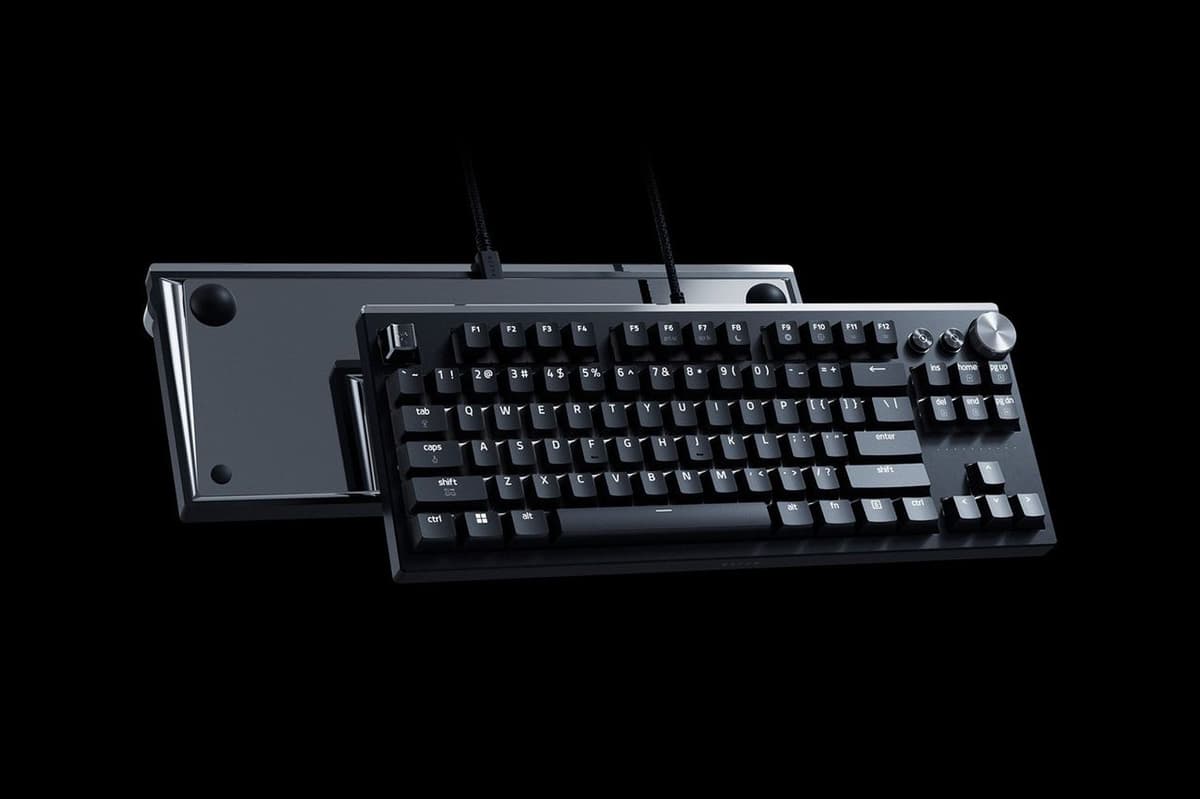
Razer has just refreshed its iconic Huntsman lineup with a new addition, the Huntsman Signature Edition. The company's latest flagship keyboard is priced at $499.99 directly from Razer’s website. The highlight feature is the updated design, featuring a CNC‑machined aluminum chassis with a PVD mirror finish on the back. It includes all the customary high‑end gaming features you’d expect.

The keyboard still uses the Huntsman V3 Pro platform and builds upon it with some luxury refinements; most of the up‑charge is associated with its construction. The V3 Pro received a very positive score in a previous review, so this should be even better.

You get the same internals — Razer’s custom “Gen 2” optical switches, which enable an insane 8,000 Hz polling rate — but the board is wired‑only to enable it. Since these are analog switches, the board also supports Snap Tap (aka SOCD), which allows you to quickly actuate different keys without ever fully depressing one. It’s a borderline cheat code for strafing that’s banned in most esports. You also get all the other analog goodies like customizable actuation points, rapid trigger, and analog input for emulating dynamic controls on racing games and similar titles.

Razer Huntsman Signature Edition

Image credit: Razer

Razer Huntsman Signature Edition (close‑up)

Image credit: Razer

As you can see in the pictures above, the back is where most of the upgrade lies. The standard V3 Pro wasn’t exactly a looker, but this one is fully deserving of the bespoke label. Gone are the cheap‑feeling feet and the gaudy text; instead, you get a clean and minimal design that looks more like a custom keyboard’s weight. There’s a tasteful Razer logo in the middle, but you do lose the dual‑stage height adjustment.

The chassis is milled out of 6063 aluminum, both the anodized top and the PVD‑finished bottom, which makes the keyboard considerably heavier. The keycaps appear to be the same shinethrough doubleshot PBT that came with the standard V3 Pro. Even though the press material is very monochrome, the board fully supports RGB and is available to buy right away… as long as you can find stock.


About the author

Hassam Nasir is a die‑hard hardware enthusiast with years of experience as a tech editor and writer, focusing on detailed CPU comparisons and general hardware news. When he’s not working, you’ll find him bending tubes for his ever‑evolving custom water‑loop gaming rig or benchmarking the latest CPUs and GPUs just for fun.

Read Original Article
0

Comments

Want to join the conversation?

Loading comments...