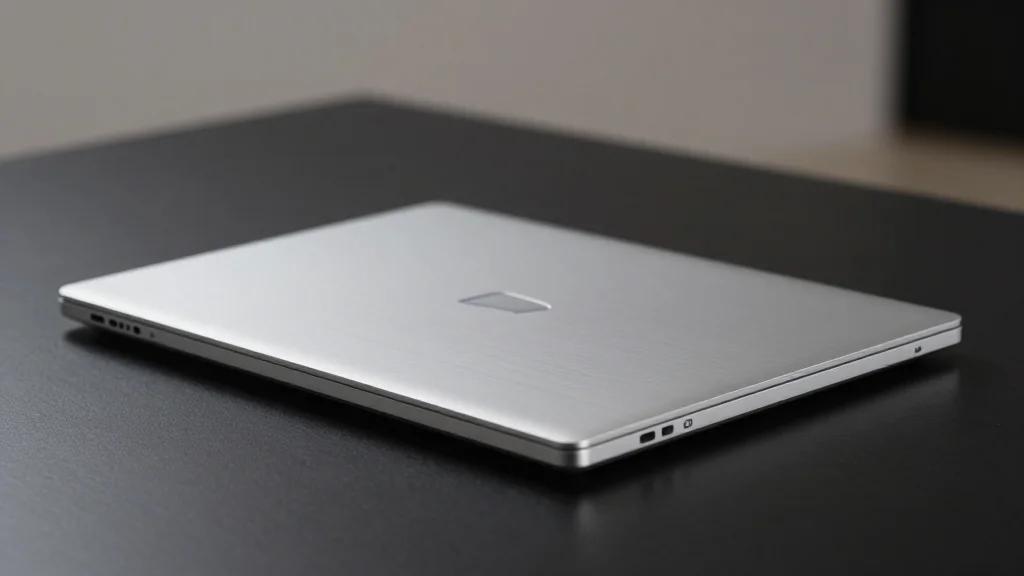
Redmi Unveils Book Pro 14 Laptop with Intel Panther Lake Chip, 92Wh Battery at $1,190

Companies Mentioned
Why It Matters
The Redmi Book Pro 14 demonstrates that high‑performance, energy‑efficient Windows laptops can be priced for mainstream consumers, potentially reshaping the competitive dynamics between Intel‑based devices and ARM‑based offerings from Apple and Qualcomm. By leveraging the same Panther Lake platform across both premium and budget lines, Xiaomi showcases a scalable architecture that could accelerate Intel’s market share recovery. If the laptop’s battery claims hold up, it may raise consumer expectations for endurance across the entire Windows notebook segment, forcing rivals to prioritize power efficiency alongside raw performance. The launch also illustrates how Chinese OEMs are using sub‑brands like Redmi to diversify product portfolios, a tactic that could intensify price competition globally.
Key Takeaways
- •Redmi Book Pro 14 launches at 8,499 yuan (~$1,190), undercutting Xiaomi’s premium model.
- •Powered by Intel Core Ultra X7 358H Panther Lake CPU with 180 TOPS NPU and Arc B390 graphics.
- •Features 92Wh battery promising up to 37 hours of video playback and 90W fast charging.
- •Equipped with LPDDR5X memory at 9,600 MT/s, faster than most competitors in its price tier.
- •Uses high‑refresh LCD display; OLED reserved for higher‑priced Xiaomi Book Pro 14.
Pulse Analysis
Redmi’s entry into the high‑performance notebook space is a calculated gamble that could pay off handsomely. Intel’s Panther Lake architecture, once dismissed as a late‑stage attempt to catch up with ARM, now appears to have found a viable partner in Xiaomi’s aggressive pricing model. By bundling a top‑tier CPU, fast memory, and a massive battery at a sub‑$1,200 price point, Redmi forces the market to confront a new reality: endurance and performance are no longer exclusive to premium devices.
Historically, Windows laptops have struggled to match the battery longevity of Apple’s M‑series, largely because of less efficient silicon and higher power draw from discrete GPUs. The Arc B390 graphics in the Core Ultra X7, while not a gaming powerhouse, offers sufficient performance for everyday tasks without draining the battery, aligning with the device’s endurance narrative. This could erode the perceived advantage of ARM‑based laptops, especially in emerging markets where price sensitivity is acute.
The dual‑brand strategy also signals a shift in how OEMs manage product cannibalization. By clearly differentiating the OLED‑equipped Xiaomi Book Pro 14 from the LCD‑based Redmi model, Xiaomi can capture both premium enthusiasts and cost‑conscious consumers without diluting brand equity. Competitors will likely emulate this tiered approach, leading to a crowded mid‑range segment where specifications become the primary differentiator. The next few months of independent testing will be critical: if Redmi delivers on its battery claims, it could set a new benchmark that reshapes consumer expectations and pressures rivals to innovate faster.
Overall, the Redmi Book Pro 14 is more than a new laptop; it’s a litmus test for Intel’s resurgence and a potential catalyst for a broader shift toward high‑efficiency, affordable Windows notebooks.
Redmi Unveils Book Pro 14 Laptop with Intel Panther Lake Chip, 92Wh Battery at $1,190
Comments
Want to join the conversation?
Loading comments...