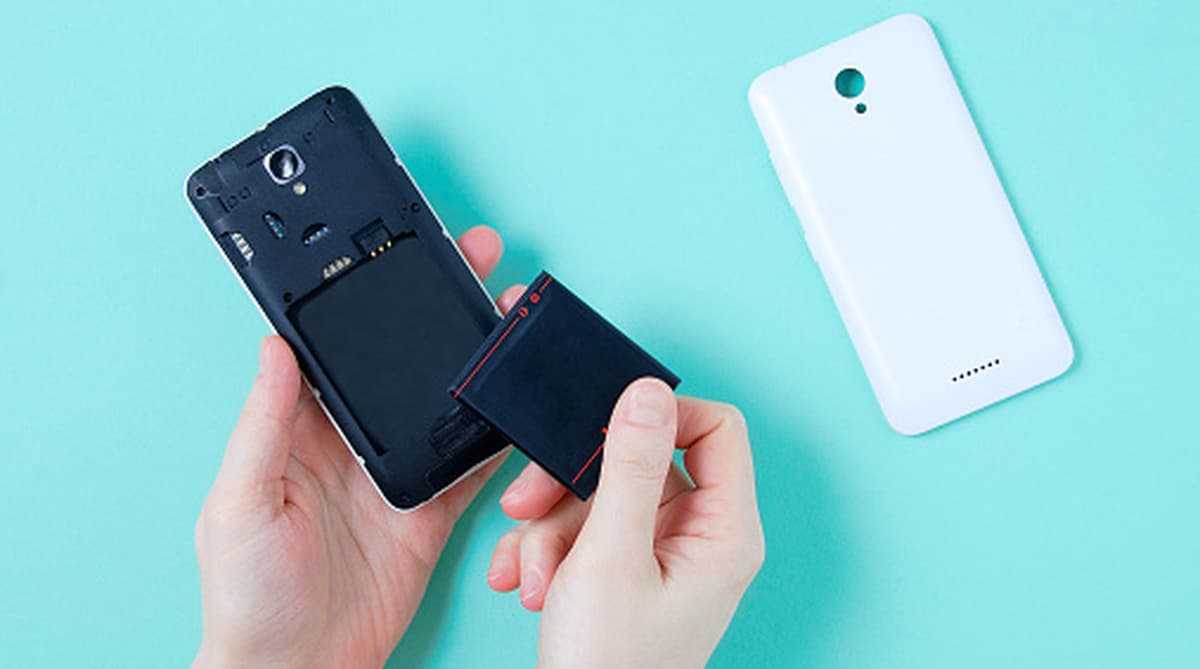
Removable Batteries In Mobile Phones May Be Making A Comeback
•February 27, 2026
0
Why It Matters
By mandating removable batteries, the EU seeks to extend phone lifecycles, reduce e‑waste, and reshape manufacturers’ design priorities, creating ripple effects across the global mobile market.
Key Takeaways
- •EU mandates removable batteries by Feb 2027.
- •Replacement batteries must be non‑proprietary, 5‑7 years availability.
- •Goal: extend phone life, reduce electronic waste.
- •Design may become bulkier, affect waterproofing.
- •US market not directly affected yet.
Pulse Analysis
The EU’s new Right‑to‑Repair directive marks a decisive move toward sustainability in consumer electronics. By setting a February 2027 deadline, the legislation forces manufacturers to engineer smartphones with accessible battery compartments and to certify third‑party batteries that meet safety standards. This non‑proprietary requirement not only levels the playing field for aftermarket suppliers but also obliges original equipment manufacturers to maintain a stock of compatible cells for up to seven years after a model is discontinued, reshaping product roadmaps and supply‑chain planning.
Environmental advocates praise the rule for its potential to slash the growing tide of e‑waste. A replaceable battery can add several years to a phone’s usable life, delaying the need for full device replacement and reducing the volume of discarded electronics. Consumers gain greater agency, opting to swap a degraded cell rather than purchase a new handset, which could also translate into cost savings. However, the shift introduces engineering challenges: manufacturers must redesign chassis to accommodate removable modules while preserving durability, water resistance, and aesthetic thinness—features that have become hallmarks of premium smartphones.
Industry response remains cautious. Major brands have yet to unveil EU‑compliant models, suggesting they are weighing the trade‑offs between design elegance and regulatory compliance. The requirement may spur innovation in modular battery technology, but it also raises questions about market spillover into regions like the United States, where no similar mandates exist. If European standards prove successful, they could set a de‑facto global benchmark, prompting broader adoption of repair‑friendly designs and influencing future consumer expectations worldwide.
Removable Batteries In Mobile Phones May Be Making A Comeback
0
Comments
Want to join the conversation?
Loading comments...