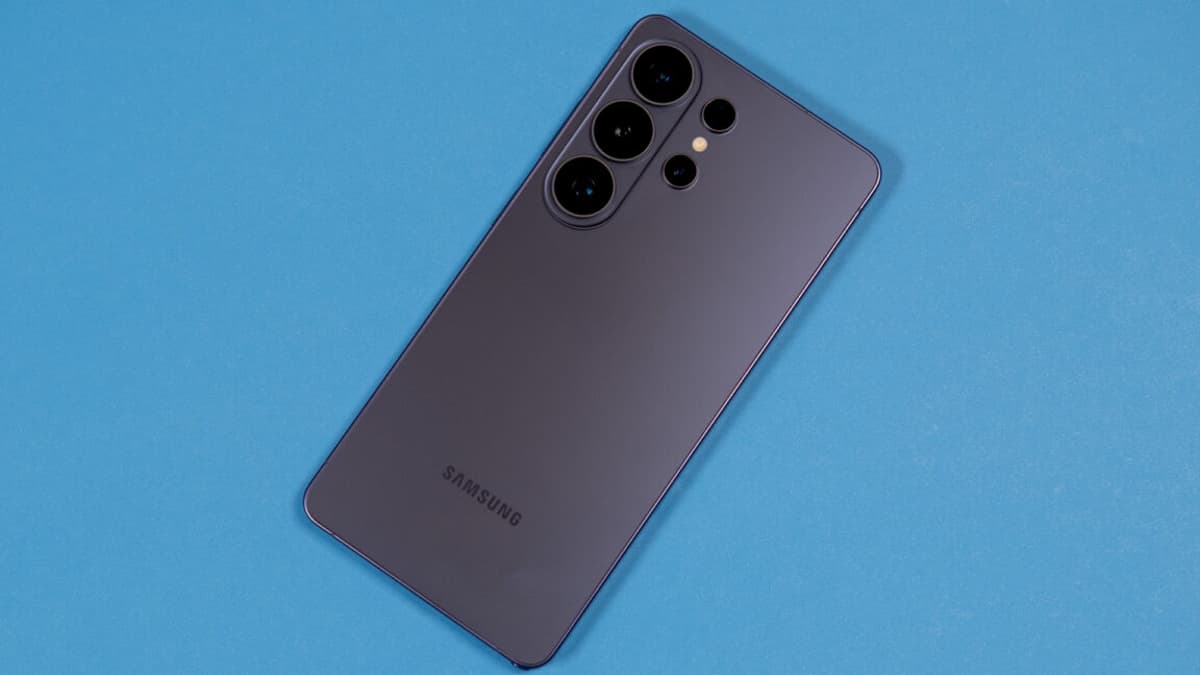
Report: Samsung Execs Worried Company Could Lose Money on Smartphones for the First Time
Companies Mentioned
Why It Matters
Rising memory costs are reshaping smartphone profitability, forcing even market leaders to adjust pricing and product strategies. The trend also highlights the broader impact of AI‑driven demand on the global semiconductor supply chain.
Key Takeaways
- •Samsung may record first smartphone division loss in 2026
- •DRAM and NAND price surge could outweigh strong Galaxy S26 sales
- •Memory now >20% of phone cost, up to one‑third for budget models
- •Samsung Semiconductor posted $38 billion profit, offsetting mobile losses
- •Mid‑range Galaxy A series prices up $50; foldables up $80‑$100
Pulse Analysis
The AI boom has turned memory into the new cost driver for smartphones. LPDDR5x and NAND chips, once peripheral, now dominate bill‑of‑materials calculations as AI workloads demand higher bandwidth and capacity. Counterpoint Research estimates that by mid‑2026 memory will represent more than a third of a budget phone’s cost, up from under 15% a few years ago. This shift erodes margins for manufacturers that have traditionally relied on volume to offset component expenses, and it forces a reassessment of pricing models across the industry.
Samsung finds itself in a paradoxical position. Its semiconductor arm is flourishing, reporting an estimated $38 billion profit in the first quarter—roughly seven times its prior year’s earnings—thanks to record DRAM and NAND demand. Yet the same market dynamics are squeezing its mobile division, prompting executives to warn of a potential first‑ever loss on smartphones. To protect profitability, Samsung has already lifted prices on the Galaxy A37 and A57 by $50 and added $80‑$100 premiums to its flagship Z‑Fold and Z‑Flip models. Competitors watching these moves may follow suit, accelerating a broader price‑inflation cycle in the premium segment.
Looking ahead, the memory shortage could reshape the smartphone landscape. Budget devices like Motorola’s Moto G are seeing price hikes of up to 50%, casting doubt on the viability of low‑cost phones in the near term. Meanwhile, Samsung’s upcoming foldable generation, packed with abundant RAM and storage, will likely command even higher price tags, targeting a niche willing to pay for AI‑ready performance. Investors and analysts will monitor whether Samsung can leverage its semiconductor cash flow to subsidize mobile losses or whether the company will accelerate a strategic pivot toward higher‑margin, AI‑centric hardware.
Report: Samsung execs worried company could lose money on smartphones for the first time
Comments
Want to join the conversation?
Loading comments...