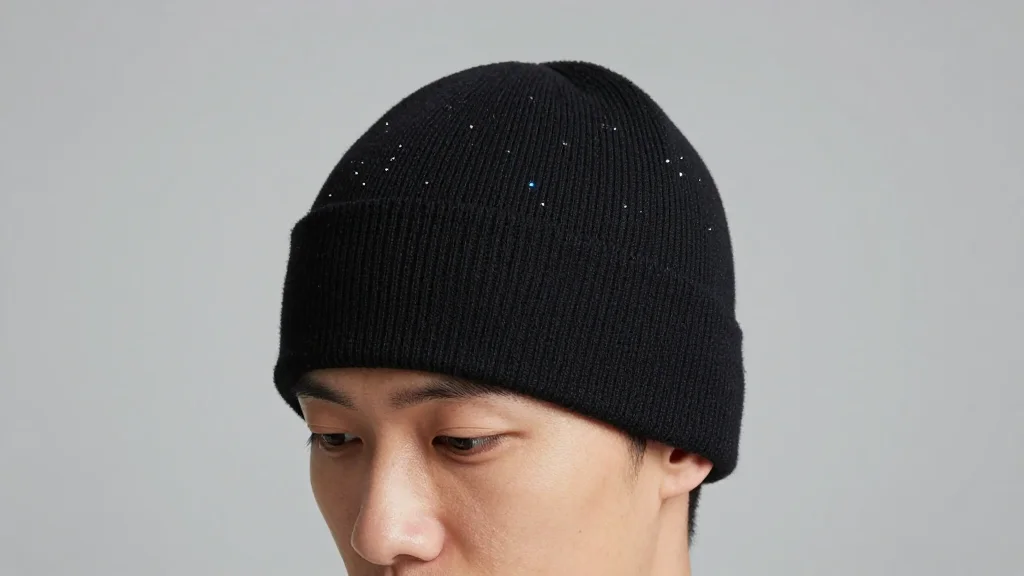
Sabi Unveils Brain‑Reading Beanie with Up to 100,000 Sensors

Companies Mentioned

Why It Matters
Sabi’s beanie represents a tangible step toward mainstream brain‑computer interfaces, shifting the technology from clinical labs to everyday consumers. By proving that high‑density, non‑invasive EEG can decode imagined speech at usable speeds, the company could unlock new interaction models for computing, gaming, and accessibility. The product also challenges the narrative that only surgically implanted devices can deliver meaningful neural data, potentially broadening investor interest in wearable neurotech. If the beanie gains traction, it may force larger hardware firms and software platforms to integrate BCI APIs, creating a new ecosystem of voice‑free applications. Conversely, failure to meet performance expectations could reinforce skepticism about the feasibility of consumer‑grade thought‑to‑text solutions, slowing funding and slowing the pace of innovation in the sector.
Key Takeaways
- •Sabi’s beanie will ship by the end of the year, targeting consumer release.
- •Device packs 70,000‑100,000 EEG sensors, far exceeding typical headsets.
- •AI model trained on 100,000 hours of brain data from 100 volunteers.
- •Initial typing speed goal of ~30 words per minute.
- •Vinod Khosla backs the non‑invasive approach, citing scale potential.
Pulse Analysis
Sabi’s approach banks on sensor density to compensate for the weaker signals that non‑invasive EEG captures through skin and bone. Historically, the trade‑off between signal quality and user comfort has limited BCI adoption to niche medical or research settings. By scaling sensor count into the tens of thousands, Sabi hopes to close that gap, but the engineering challenge is formidable: each sensor must be reliable, low‑power, and manufacturable at scale. If the company can demonstrate consistent decoding across diverse users without daily calibration, it will set a new benchmark for the industry.
The competitive landscape is split between invasive players like Neuralink, which pursue high‑bandwidth brain links for medical and eventually consumer use, and a growing cohort of wearable startups focusing on specific use cases such as meditation, sleep tracking, or limited command sets. Sabi’s broader ambition—to enable continuous imagined‑speech transcription—places it at the high‑end of the wearable spectrum. Success could force larger consumer electronics firms to consider BCI as a standard input modality, much like voice assistants became ubiquitous after a decade of development.
However, market adoption will hinge on more than raw performance. Users will demand a device that looks and feels like ordinary headwear, works out of the box, and respects privacy. The 100,000‑hour data set raises questions about data ownership and consent, especially as the device captures intimate neural activity. Sabi’s ability to navigate these regulatory and ethical concerns will be as critical as its technical achievements. In the short term, beta feedback will likely shape product refinements, while longer‑term success will depend on ecosystem development—software developers building applications that leverage thought‑to‑text, and hardware partners scaling production without inflating costs.
Overall, Sabi’s beanie could be the catalyst that transforms brain‑computer interfaces from laboratory curiosities into everyday tools, provided it can deliver on its performance promises while meeting consumer expectations for comfort, privacy, and price.
Sabi Unveils Brain‑Reading Beanie with Up to 100,000 Sensors
Comments
Want to join the conversation?
Loading comments...