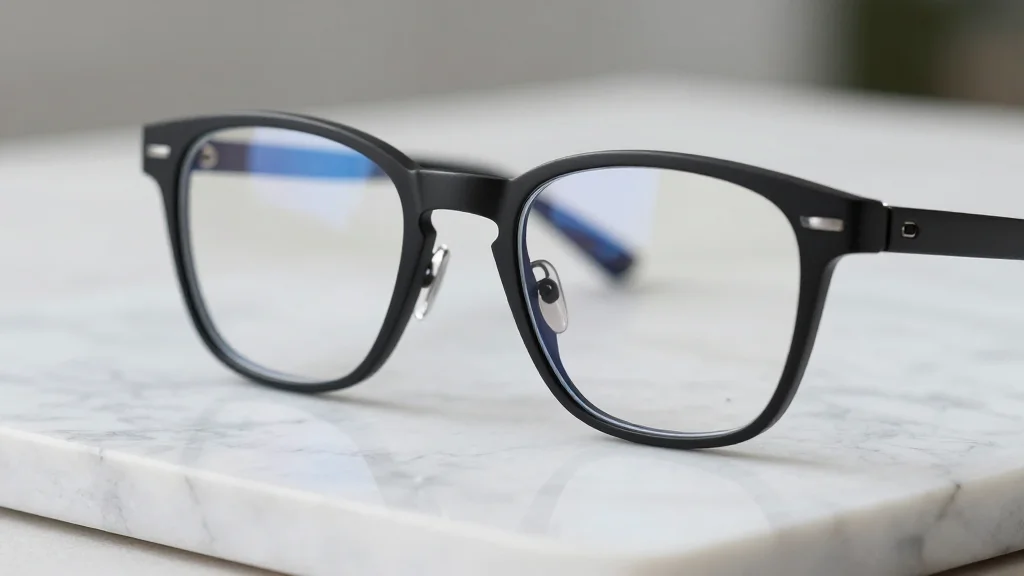
Samsung and Google Launch AI-Powered Smart Glasses with Gentle Monster and Warby Parker

Companies Mentioned

Why It Matters
The Samsung‑Google smart glasses represent a convergence of AI, wearables and fashion that could reshape how consumers interact with digital services. By embedding a large‑language model directly into a wearable, the devices aim to make voice‑driven AI as ubiquitous as smartphones, potentially reducing reliance on handheld devices for everyday tasks. Success could spur a wave of AI‑first wearables, prompting competitors to accelerate their own hardware and software integration. Beyond consumer convenience, the collaboration signals a strategic alignment between hardware manufacturers and AI leaders. Samsung gains a differentiated AI experience for its Galaxy ecosystem, while Google expands Gemini’s reach beyond cloud and phone platforms. The partnership may also influence standards for AR overlays, privacy handling of continuous audio capture, and cross‑platform developer tools, setting benchmarks for the emerging wearable AI market.
Key Takeaways
- •Samsung and Google unveiled AI‑powered smart glasses at Google I/O 2026.
- •The eyewear combines Google’s Gemini AI with Samsung hardware and fashion design from Gentle Monster and Warby Parker.
- •Features include hands‑free voice commands for navigation, real‑time translation, photo capture and calendar management.
- •Analysts see the launch as a catalyst for the $25 billion wearable market, projected to grow 12% annually through 2030.
- •Pre‑orders begin later 2026; broader consumer rollout expected in early 2027, pricing likely above $1,000.
Pulse Analysis
Samsung’s decision to embed Google’s Gemini AI directly into a wearable marks a strategic pivot from the company’s traditional focus on hardware excellence toward AI‑driven user experiences. Historically, Samsung’s wearables—such as its Galaxy Watch line—have leveraged its own Tizen OS and later Wear OS, but they have not offered the conversational depth that a large‑language model provides. By aligning with Google, Samsung sidesteps the need to develop a competing AI stack, accelerating time‑to‑market and ensuring that its devices can tap into the rapidly expanding ecosystem of Gemini‑powered services.
From Google’s perspective, the partnership offers a tangible hardware foothold for Gemini beyond smartphones and cloud services. While Google has integrated Gemini into its Pixel phones and Workspace suite, wearables present a new frontier for data collection, contextual AI, and continuous interaction. The collaboration also helps Google counter Apple’s rumored AR glasses, which are expected to leverage the company’s own AI capabilities. By delivering a premium, fashion‑forward product, Google can showcase Gemini’s versatility to both consumers and developers, potentially spurring a wave of third‑party applications that extend the AI’s reach.
The market impact will hinge on execution. Battery life, latency of AI responses, and the robustness of the developer ecosystem are critical variables. If Samsung and Google can deliver a seamless, low‑latency experience that feels natural in daily life, they could redefine the wearables category from a niche fitness accessory to a mainstream AI interface. Conversely, high price points or limited app support could relegate the glasses to early‑adopter status, leaving room for rivals to capture the mass market. The next six months—pre‑order feedback, developer program uptake, and pricing clarity—will be decisive in determining whether this collaboration becomes a watershed moment for consumer tech or a high‑profile experiment.
Samsung and Google Launch AI-Powered Smart Glasses with Gentle Monster and Warby Parker
Comments
Want to join the conversation?
Loading comments...