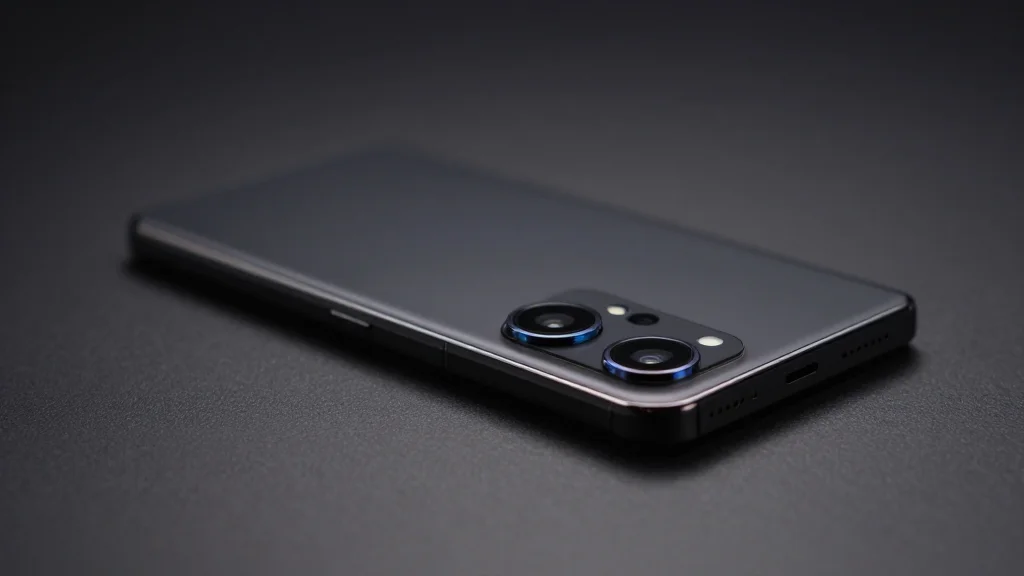
Samsung Calls Vertical Triple‑Camera the Core Identity of Galaxy S26 Amid Design Criticism

Companies Mentioned
Why It Matters
A unified design language can streamline manufacturing and reinforce brand recall, but it also runs the risk of making a product line feel interchangeable. For Samsung, whose Galaxy series accounts for a sizable share of the global Android premium market, the perception of sameness could erode the premium pricing premium that justifies its $1,100 flagship pricing. Moreover, as Apple and Google continue to iterate on their own visual cues, Samsung’s design choices will directly affect its ability to compete for the attention of design‑savvy consumers who often equate aesthetics with innovation. If Samsung’s strategy succeeds, it could set a new industry standard for visual cohesion across multiple device tiers, prompting rivals to either double down on differentiation or adopt a similar approach. Conversely, a backlash could accelerate a shift toward more experimental form factors, influencing everything from component sourcing to software UI design across the smartphone ecosystem.
Key Takeaways
- •Samsung VP Lee Il‑hwan calls the vertical triple‑camera the "core identity of the Galaxy" for the S26.
- •SVP Lee Ji‑young rates the S26’s design a "perfect score," citing a 7 mm corner curvature (7R).
- •Critics note the S26’s look now closely resembles recent iPhone models with left‑aligned lenses.
- •42 % of surveyed consumers cannot distinguish a Galaxy S26 from lower‑priced Samsung A‑series phones.
- •The flagship Galaxy S26 Ultra is priced around $1,100, positioning it against Apple’s $1,200‑plus iPhone Pro models.
Pulse Analysis
Samsung’s decision to double‑down on a single visual language reflects a strategic gamble: by making the Galaxy silhouette instantly recognizable, the company hopes to cement brand loyalty in a crowded market. Historically, Samsung’s design evolution has been incremental, shifting from the curvier Note series to the sleeker S line. This continuity can be a strength, as it reduces consumer friction when upgrading across generations. However, the current criticism highlights a potential ceiling for this approach. When a design becomes too ubiquitous, it loses the aspirational edge that justifies premium pricing, especially as competitors like Apple and Google deliberately inject distinctive elements—Apple’s Vision Pro‑enabled camera bar and Google’s Pixel camera visor—to stand out.
From a supply‑chain perspective, a unified chassis and camera module can lower tooling costs and improve economies of scale, which may help Samsung maintain healthy margins despite intense price competition. Yet margins on flagship devices are also driven by perceived exclusivity; if consumers view the S26 as merely a re‑skin of lower‑tier models, they may defer upgrades or switch brands. Samsung’s upcoming Unpacked event will be a litmus test: any subtle design refinements—new materials, altered camera housing geometry, or differentiated color palettes—could signal an attempt to balance cohesion with differentiation.
Looking ahead, the outcome of Samsung’s design bet will likely ripple through the broader consumer tech sector. A successful rollout could encourage other OEMs to adopt a "core identity" strategy, leading to a more homogenized smartphone landscape. Conversely, a market pushback could revive a wave of experimental designs, prompting manufacturers to explore foldable form factors, under‑display cameras, or modular accessories as new avenues for differentiation. Samsung’s next moves will therefore shape not only its own market share but also the visual language of smartphones for years to come.
Samsung Calls Vertical Triple‑Camera the Core Identity of Galaxy S26 Amid Design Criticism
Comments
Want to join the conversation?
Loading comments...