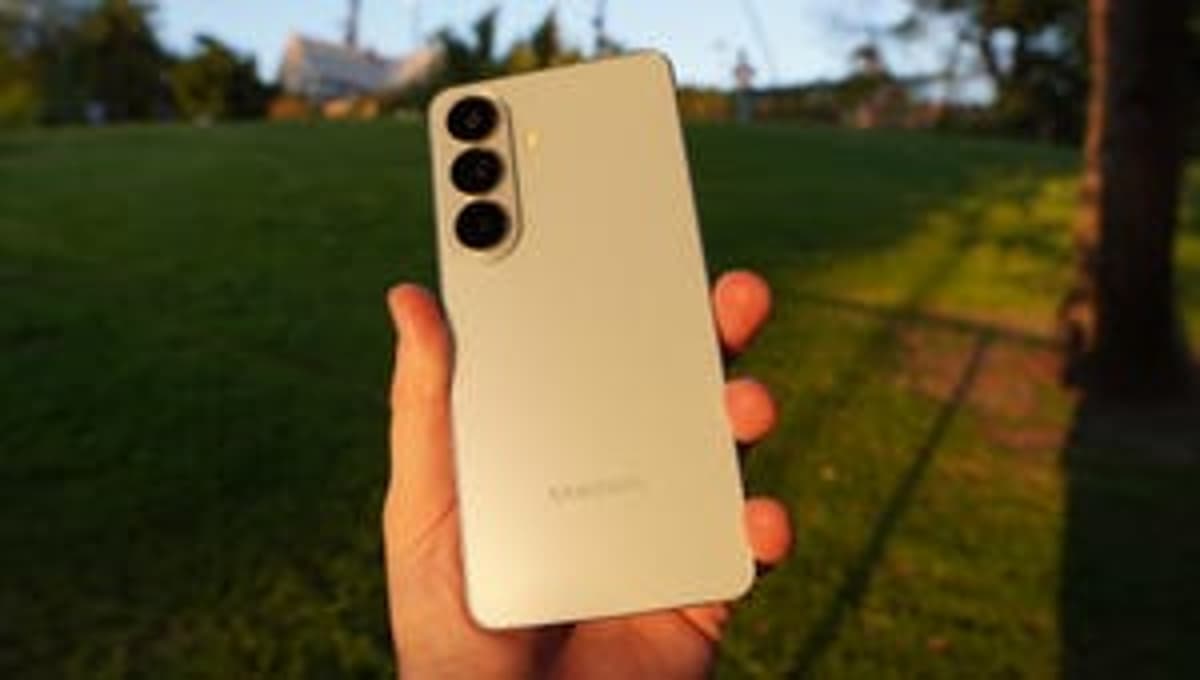
Samsung Galaxy S26 Review: Fun AI Tricks for a Steeper Price
•March 11, 2026
0
Why It Matters
The S26 illustrates Samsung’s shift toward monetising AI features to justify higher flagship pricing, a strategy that could reshape competitive dynamics in a market pressured by component shortages. Its mixed hardware evolution may influence consumer expectations for future premium smartphones.
Key Takeaways
- •$900 base price, $100 increase over S25.
- •AI photo tools add creative editing, require internet.
- •Snapdragon 8 Elite Gen5 boosts AI, strong benchmark scores.
- •25W wired charging unchanged, slower than many competitors.
- •Battery increased to 4,300 mAh, modest endurance gain.
Pulse Analysis
The Galaxy S26 arrives at a time when global RAM constraints and inflation are nudging flagship prices upward. Samsung’s decision to raise the entry‑level price reflects broader industry trends, but the company counters the cost with a robust AI suite that differentiates the device from rivals like Google’s Pixel 10 and Apple’s iPhone 17. By embedding AI‑powered editing directly into the Gallery app, Samsung taps into the growing demand for on‑device creativity, positioning the S26 as a tool for content creators who value instant, cloud‑assisted enhancements.
Beyond the software, the S26’s hardware story is one of incremental improvement. The Snapdragon 8 Elite Gen 5 processor, tuned for AI workloads, delivers impressive Geekbench and 3DMark numbers, ensuring smooth multitasking and gaming. However, the unchanged 25 W charging speed lags behind competitors offering 30‑40 W or higher, potentially diminishing the user experience for power users. The modest battery bump to 4,300 mAh extends endurance slightly, yet real‑world tests suggest the gain may not offset the higher price tag for many consumers.
For Samsung, the S26 serves as a litmus test for an AI‑first flagship roadmap. If the AI features resonate and drive ecosystem lock‑in, the company may continue prioritising software over radical hardware redesigns. Conversely, critics argue that without substantive upgrades to core components—especially faster charging and a larger display—premium pricing could erode market share. Analysts will watch sales data closely to gauge whether the AI value proposition can sustain Samsung’s pricing power in an increasingly competitive premium segment.
Samsung Galaxy S26 Review: Fun AI Tricks for a Steeper Price
0
Comments
Want to join the conversation?
Loading comments...