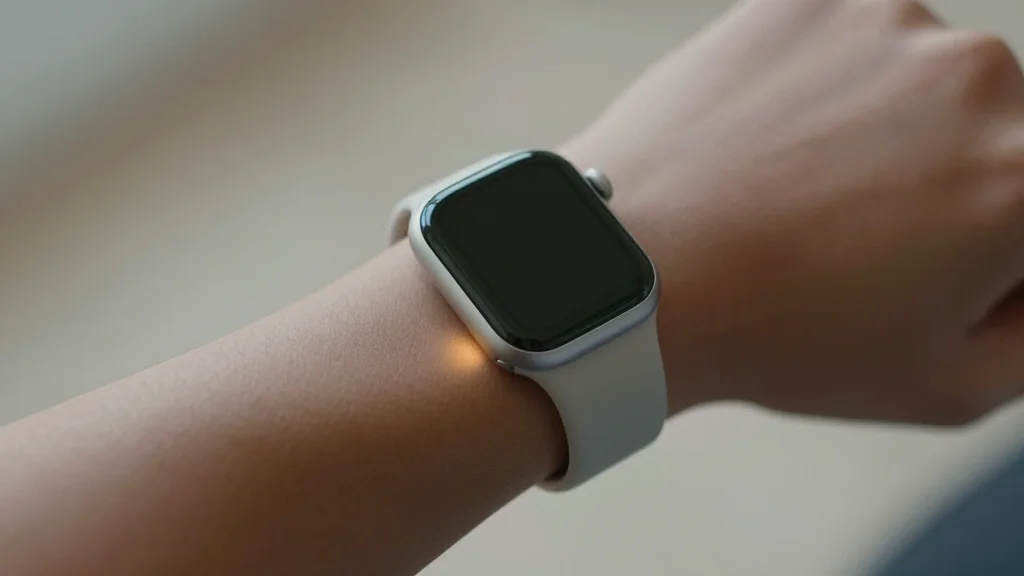
Samsung Galaxy Watch 6 Predicts Fainting Up to 5 Minutes Ahead with 84% Accuracy

Companies Mentioned
Why It Matters
The ability to forecast a fainting episode transforms a smartwatch from a passive fitness tracker into an active safety device. For patients with vasovagal syncope, early warning can prevent injuries from falls, reduce emergency‑room visits, and improve quality of life. Moreover, the study demonstrates that consumer‑grade sensors, when paired with AI, can meet clinical‑grade performance, blurring the line between medical devices and everyday electronics. From a market perspective, the breakthrough could accelerate the convergence of consumer tech and digital health. Companies that can substantiate health claims with peer‑reviewed data will likely capture premium segments, attract partnerships with health insurers, and face new regulatory scrutiny. Samsung’s move may force rivals to fast‑track similar research, potentially sparking a wave of AI‑enhanced health features across the wearable ecosystem.
Key Takeaways
- •Samsung Galaxy Watch 6 predicts vasovagal syncope up to five minutes early
- •AI model achieved 84.6% accuracy in a study of 132 patients
- •Research conducted with Chung‑Ang University Hospital, led by Prof. Junhwan Cho
- •Findings published in European Heart Journal – Digital Health
- •Potential to expand to other sudden‑onset conditions and influence insurance premiums
Pulse Analysis
Samsung’s foray into predictive health marks a strategic pivot from pure lifestyle wearables to clinically relevant devices. Historically, wearables have struggled to cross the evidentiary threshold required for medical endorsement; the Galaxy Watch’s 84.6% accuracy, while not perfect, is a credible first step that could satisfy early‑stage regulatory pathways such as the FDA’s De Novo classification. By leveraging existing hardware—PPG sensors already embedded in the watch—Samsung avoids costly redesigns, instead investing in software and data science, a model that scales quickly across its installed user base.
The competitive landscape will likely react swiftly. Apple’s recent health‑focused updates, including ECG and blood‑oxygen monitoring, have set a precedent for integrating medical‑grade features. However, Apple has not yet claimed predictive alerts for syncope, leaving a niche that Samsung can occupy. If Samsung can demonstrate real‑world efficacy—reducing fall‑related injuries and hospital admissions—it could negotiate favorable terms with insurers, creating a new revenue stream tied to health outcomes rather than device sales alone.
Looking ahead, the key challenges will be data privacy, false‑positive management, and regulatory approval. Continuous biometric monitoring generates sensitive health data that must be protected under GDPR, CCPA, and emerging Korean privacy laws. Moreover, an 84.6% accuracy implies a 15% false‑positive rate, which could cause alarm fatigue if not finely tuned. Samsung’s next steps—expanding trials, refining algorithms, and seeking clearance—will determine whether this feature becomes a differentiator or a footnote in the crowded wearable market.
Samsung Galaxy Watch 6 Predicts Fainting Up to 5 Minutes Ahead with 84% Accuracy
Comments
Want to join the conversation?
Loading comments...