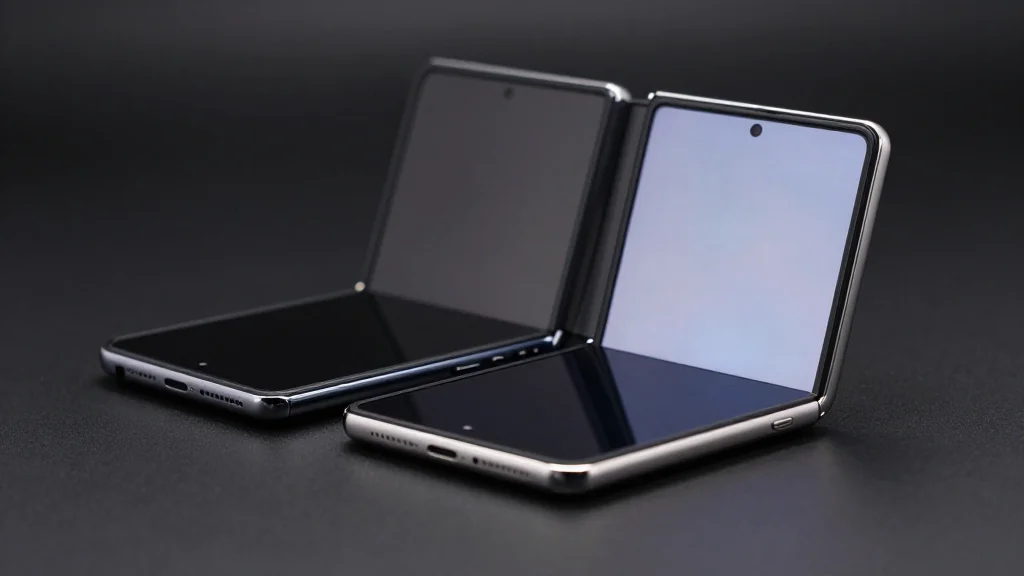
Samsung Galaxy Z Fold 8 vs Google Pixel 11 Pro Fold: 2026 Flagship Face‑Off

Companies Mentioned
Why It Matters
The Galaxy Z Fold 8 and Pixel 11 Pro Fold represent the last pure‑Android foldable releases before Apple’s first entry, making this a pivotal moment for the Android ecosystem. Their pricing, performance, and software integration will set benchmarks that influence carrier contracts, developer focus, and accessory ecosystems for years to come. A clear market leader could dictate the direction of foldable UI standards, app optimization, and the pace of AI‑driven features that differentiate premium smartphones. Beyond the immediate sales battle, the outcome will affect supply‑chain negotiations for high‑end components such as OLED panels, advanced hinges, and AI‑optimized chipsets. If one platform dominates, manufacturers may consolidate around its preferred suppliers, potentially reshaping the broader consumer‑tech hardware landscape.
Key Takeaways
- •Samsung Galaxy Z Fold 8 launch slated for July 22 in London, priced at $1,999 for the base model
- •Google Pixel 11 Pro Fold expected in August, starting at $1,799
- •Both devices feature 8‑inch inner OLED displays with 120 Hz refresh and peak brightness over 6,000 nits
- •Fold 8 uses Snapdragon 8 Elite Gen 5; Pixel 11 Pro Fold runs on Tensor G6
- •Apple’s first foldable iPhone Ultra rumored for September 2026, adding a third major competitor
Pulse Analysis
Samsung’s strategy leans heavily on raw performance and a mature hardware supply chain. By retaining the Snapdragon 8 Elite Gen 5, the company bets that benchmark scores and gaming performance will continue to be decisive for power users. The decision to keep the price at $1,999 signals confidence that the brand’s premium positioning and extensive service network can justify the cost, especially in markets where after‑sales support remains a purchase driver.
Google, by contrast, is doubling down on AI integration. The Tensor G6 promises on‑device machine‑learning enhancements that could make the Pixel Fold feel more responsive in everyday tasks, even if raw CPU/GPU numbers lag behind Samsung’s offering. This approach aligns with Google’s broader push to make AI a core differentiator across its hardware portfolio, from the Pixel phone line to the Nest ecosystem. However, the lower launch price may not translate into a market advantage if consumers prioritize performance or durability over AI features.
The looming Apple foldable adds a wildcard. Apple’s brand cachet and ecosystem lock‑in could siphon high‑spending early adopters, forcing Samsung and Google to either innovate faster or accept a reduced share of the premium foldable niche. Both Android makers will need to demonstrate clear value—whether through superior multitasking, longer software support, or unique AI capabilities—to retain relevance. The next quarter’s pre‑order data will be the first real test of whether the Android duopoly can hold its ground or if Apple will rewrite the rules of the foldable market.
Samsung Galaxy Z Fold 8 vs Google Pixel 11 Pro Fold: 2026 Flagship Face‑Off
Comments
Want to join the conversation?
Loading comments...