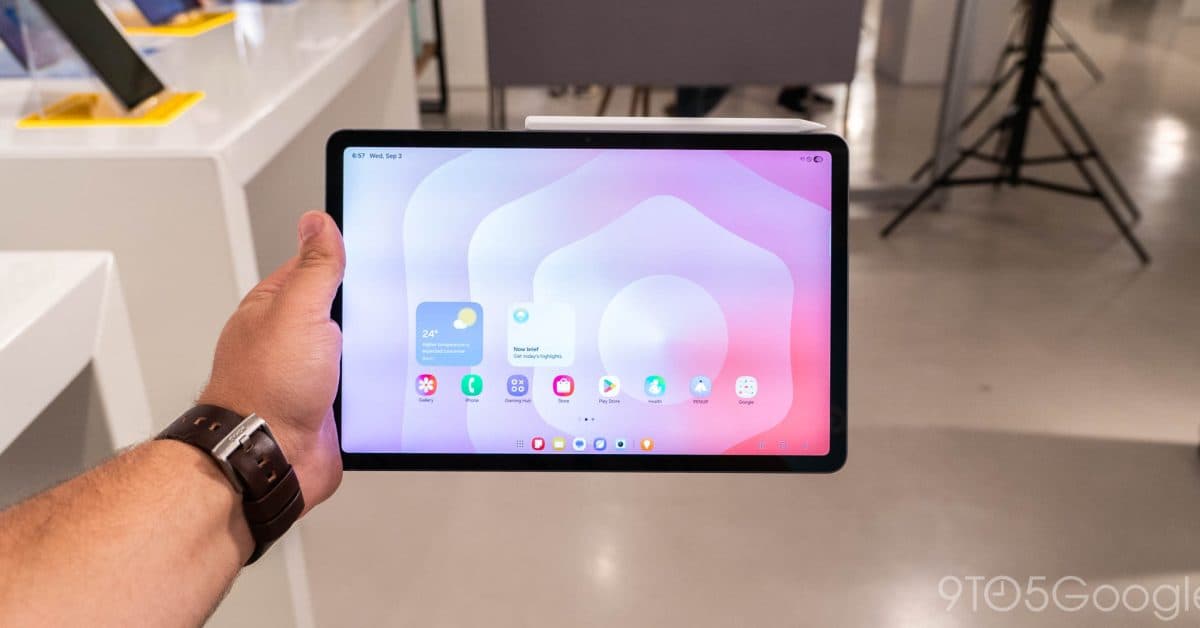
Samsung Just Raised Prices on Nearly a Dozen Galaxy Phones and Tablets by up to $280
Companies Mentioned
Why It Matters
The hikes underscore how component shortages are eroding margins and could dampen consumer demand, forcing brands to pass costs onto buyers. Samsung’s pricing shift signals a broader industry trend that may reshape pricing strategies and competitive dynamics.
Key Takeaways
- •Samsung raised prices on 11 Galaxy devices, up to $280.
- •Storage upgrades now cost $40‑80 more across flagship phones.
- •Tablet price hikes range $50‑280, hitting 1TB Tab S11 Ultra hardest.
- •RAM shortage drives higher component costs industry‑wide.
- •Early purchase advised as prices likely to keep rising.
Pulse Analysis
Component shortages have become a defining factor for consumer electronics pricing in 2025. A global RAM deficit, driven by heightened demand for AI workloads and limited semiconductor capacity, has pushed memory costs up 15‑20 percent year‑over‑year. Manufacturers that rely on high‑capacity modules, like Samsung, are feeling the squeeze, prompting them to adjust retail prices rather than absorb the expense. This trend mirrors similar moves by Motorola and Microsoft, indicating that the supply‑chain bottleneck is now a systemic issue rather than an isolated incident.
Samsung’s latest price revisions span its premium phone and tablet portfolios, targeting higher‑storage configurations that historically command larger margins. The Z Fold 7’s 1 TB model now costs $2,500, while the Tab S11 Ultra 1 TB jumps to $1,899, reflecting a $280 premium. For consumers, the incremental $40‑$80 increases on flagship phones may seem modest, but they compound across the ecosystem, potentially nudging price‑sensitive buyers toward older models or competing brands like Apple, which has kept its base‑level iPhone pricing relatively stable. Samsung’s strategy aims to protect profit lines while signaling that premium features come at a premium cost.
Looking ahead, analysts expect the upward pricing pressure to persist as memory shortages linger and new 5G‑enabled devices launch. Samsung may respond with bundled offers, trade‑in incentives, or a greater focus on mid‑tier devices to retain market share. For shoppers, the window to secure current‑generation hardware at pre‑hike prices is narrowing, making early purchase decisions more financially prudent. Companies that can diversify their component sourcing or invest in in‑house memory production could gain a competitive edge as the market adjusts to these cost realities.
Samsung just raised prices on nearly a dozen Galaxy phones and tablets by up to $280
Comments
Want to join the conversation?
Loading comments...