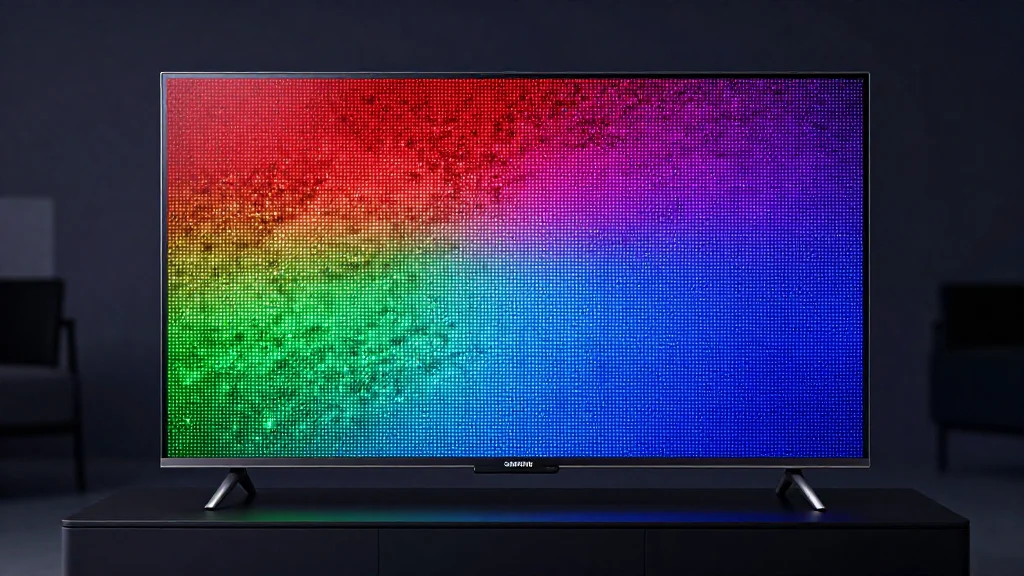
Samsung Launches Micro RGB TV Lineup, Expands Vision AI Portfolio in India

Companies Mentioned
Why It Matters
The introduction of Micro RGB technology marks Samsung’s push to set a new benchmark for colour accuracy and brightness control in consumer displays, challenging rivals like LG and Sony that rely on traditional OLED or QLED panels. By coupling the hardware breakthrough with AI‑driven picture optimisation, Samsung is creating a differentiated value proposition that could shift premium‑TV buying decisions toward AI‑enhanced experiences rather than raw specifications alone. In the broader consumer‑tech landscape, Samsung’s aggressive pricing and accessory bundles signal a strategic response to supply‑chain pressures and price‑sensitive demand in emerging markets. If successful, the approach may prompt other manufacturers to bundle value‑added services—such as sound systems or AI software—to sustain margins while expanding the high‑end segment.
Key Takeaways
- •Samsung launches Micro RGB TV series (R95H, R85H) ranging from 55‑115 inches
- •Micro RGB uses individually controlled red, green, blue micro‑LEDs for precise colour
- •Premium models start at Rs 1,14,990 (~$1,500); standard UHD models start at Rs 36,990 (~$480)
- •Limited‑time bundles include a soundbar worth Rs 1,02,990 (~$13,300) and Music Studio worth Rs 23,990 (~$3,100)
- •AI features include Vision AI Companion, AI Upscaling Pro, AI Soccer Mode and AI Sound Controller Pro
Pulse Analysis
Samsung’s Micro RGB debut is a calculated gamble to leapfrog the incremental improvements that have defined TV evolution for the past decade. By moving from macro‑scale backlighting to per‑pixel colour control, Samsung sidesteps the diminishing returns of higher brightness and contrast that have plagued OLED and QLED competitors. The technology’s promise of 100 percent BT.2020 coverage could attract content creators and cinephiles who demand colour fidelity for HDR streaming and next‑gen gaming.
However, the rollout’s success hinges on production yields and cost management. Micro‑LED manufacturing remains capital‑intensive, and Samsung’s decision to price the ultra‑premium models at roughly $1,500 suggests a tight cost structure, likely supported by economies of scale from its massive display fabs. The bundled accessories, while eye‑catching, also inflate the perceived value proposition but may mask thin margins on the TV itself. Competitors may counter with aggressive pricing or by accelerating their own micro‑LED roadmaps, intensifying a technology race that could compress profit cycles.
From a market dynamics perspective, Samsung’s AI‑centric software stack could become a defensible moat. As consumers increasingly expect smart‑home integration, the Vision AI Companion’s ability to surface contextual information without interrupting content could differentiate Samsung’s ecosystem from rivals that rely on third‑party platforms. If Samsung can maintain a seamless hardware‑software experience, it may lock in users and create cross‑selling opportunities for its broader portfolio of appliances and mobile devices, reinforcing its position as a holistic consumer‑tech leader.
Samsung Launches Micro RGB TV Lineup, Expands Vision AI Portfolio in India
Comments
Want to join the conversation?
Loading comments...