Why It Matters
Consumers with affected devices will lose access to new Android features and may face security vulnerabilities once patches cease, prompting earlier hardware upgrades. The rollout underscores Samsung’s tiered support strategy, influencing buying decisions in price‑sensitive markets.
Key Takeaways
- •Galaxy S22 series ends OS updates with One UI 8.5
- •Foldable Z Fold 4 and Z Flip 4 miss Android 17 support
- •A33, A53, A73 receive final major update at Android 16
- •M33 5G and older tablets stop receiving major OS upgrades
- •Plan upgrades before 2027 security patches expire to stay protected
Pulse Analysis
Samsung’s update policy has evolved from a simple calendar promise to a tiered model that counts the number of major OS upgrades a device receives. For phones launched in 2022, the four‑generation limit means Android 16 (One UI 8) is the final full‑system update, with One UI 8.5 serving as a last‑ditch mid‑cycle refresh. This approach lets Samsung extend security patches for a few more years, but it also creates a clear cutoff point where devices will no longer benefit from new Android capabilities such as multitasking bubbles or system‑level app lock.
The impact is most pronounced in emerging markets, especially across Africa, where Samsung’s budget‑friendly A‑series and M‑series dominate sales. Users of models like the A33, A53, A73, or M33 5G face a near‑term horizon: after One UI 8.5 they will receive only quarterly security updates until roughly 2027, after which support ends entirely. This limited lifecycle can depress resale values and increase exposure to security threats, prompting consumers to weigh the total cost of ownership against cheaper, short‑lived alternatives.
Looking ahead, Samsung is positioning its newer flagships—starting with the S25 and S26 families—and upcoming foldables such as the Z Fold 8 to enjoy the extended six‑year, six‑upgrade promise, culminating in One UI 9 and Android 17. For prospective buyers, the key takeaway is to prioritize launch year and promised upgrade count over headline specs. Devices released after late 2024, like the A16 5G, now carry a six‑year OS roadmap, offering a more future‑proof investment for users who intend to keep a phone for three to four years. This shift reflects an industry‑wide push toward longer software support to retain customer loyalty and mitigate security risks.
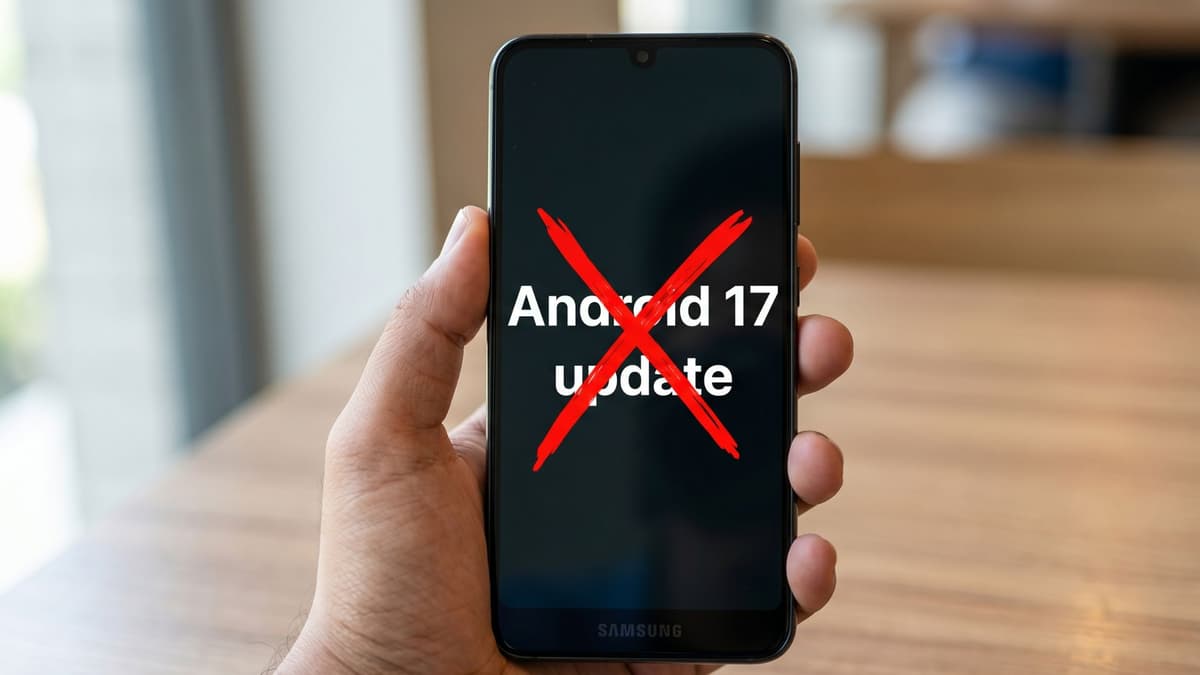
Samsung phones that won’t get the Android 17 update
Comments
Want to join the conversation?
Loading comments...