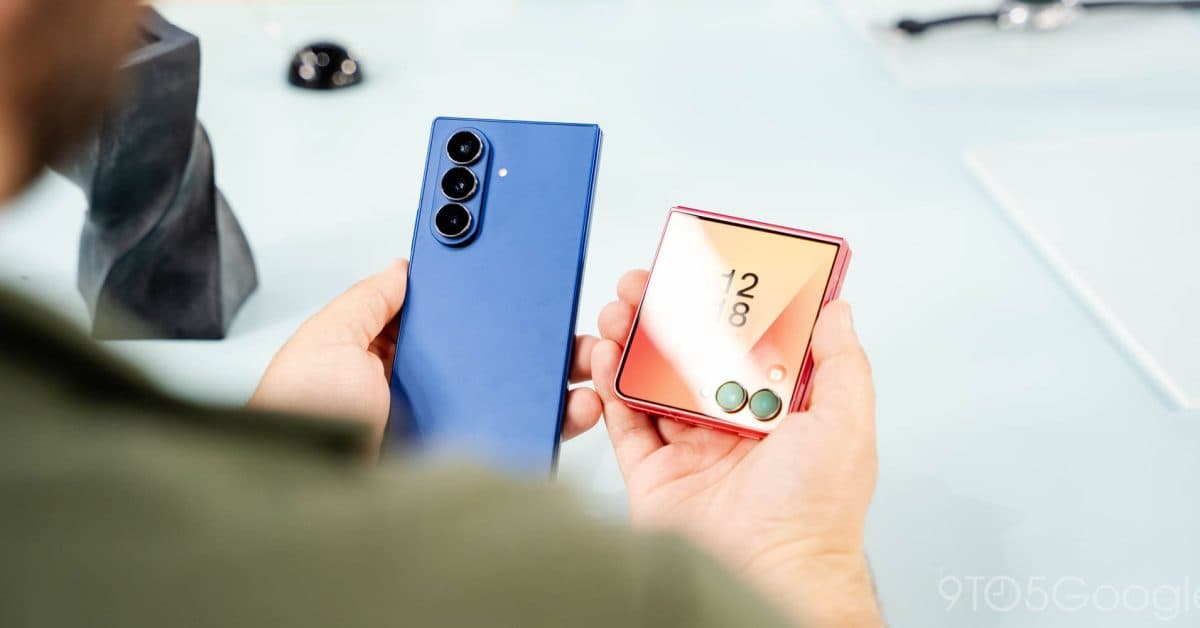
Samsung Sued by the ‘Original Developer of Foldable Phones,’ but a Ban Seems Unlikely
Why It Matters
If the court granted Lepton’s injunction, Samsung’s flagship foldable line could be halted in the United States, disrupting revenue and supply chains. Even without a ban, the lawsuit highlights the growing threat of patent‑troll entities to hardware innovators.
Key Takeaways
- •Lepton claims invention of foldable phones dating back to 2008
- •Lawsuit targets Samsung's Galaxy Z Fold 3, Flip 3, and later models
- •Patents filed in 2021, after Samsung's first foldable launch
- •Experts expect settlement over injunction; case likely dismissed
Pulse Analysis
The foldable‑phone market has become a marquee segment for premium smartphones, with Samsung’s Galaxy Z series accounting for the bulk of global shipments. As manufacturers race to perfect hinge mechanisms and flexible displays, patents have turned into strategic assets, and non‑practicing entities (NPEs) often acquire rights to monetize them. Lepton Computing, essentially a patent‑management firm with only two employees, entered the fray by asserting it pioneered foldable concepts as early as 2008, despite never commercializing a device.
In the Eastern District of Texas, Lepton filed a complaint alleging Samsung infringed nine of its patents covering everything from display protection layers to multitasking continuity when the device folds. The suit lists the Galaxy Z Fold 3, Flip 3 and subsequent models as infringing, and seeks both monetary damages and a permanent injunction that would bar Samsung’s foldables from the U.S. market. Samsung can argue that Lepton’s patents were filed in 2021—well after Samsung introduced its first foldable in 2019—making the claims vulnerable to invalidation and giving the company a solid defense against an injunction.
Industry observers expect the dispute to settle out of court rather than result in a sweeping ban. A settlement would likely involve a licensing fee, preserving Samsung’s product roadmap while providing Lepton a payout. The case underscores the importance of early patent filing and vigilant monitoring of NPE activity for tech firms. Companies developing cutting‑edge hardware should consider defensive patent strategies and proactive licensing to mitigate the risk of costly litigation that could stall innovation and affect investor confidence.
Samsung sued by the ‘original developer of foldable phones,’ but a ban seems unlikely
Comments
Want to join the conversation?
Loading comments...