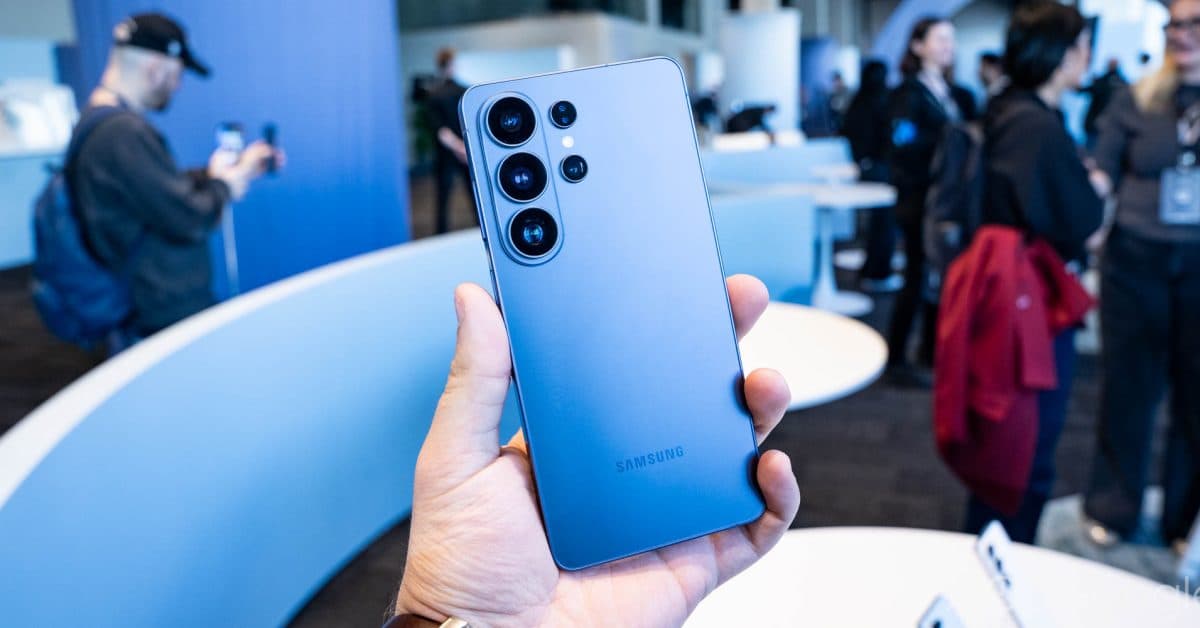
Samsung’s Excuse for Skipping Qi2 Magnets in Galaxy S26 Ignores the Big Picture
•February 28, 2026
0
Companies Mentioned


Why It Matters
The design trade‑off forces consumers into additional purchases and may erode Samsung’s leadership in fast wireless charging standards.
Key Takeaways
- •Samsung omits native Qi2 magnets for thinner design
- •25 W charging now requires magnetic case alignment
- •Limited magnetic cases risk inconsistent user experience
- •Apple’s built‑in magnets set market expectation
- •Samsung may lose competitive edge in wireless charging
Pulse Analysis
The Qi2 specification, introduced to boost wireless‑charging speeds up to 25 W, relies on magnetic alignment for its Magnetic Power Profile. Samsung’s decision to exclude native magnets from the Galaxy S26 series reflects an engineering focus on slimmer form factors, but it also shifts the burden of alignment onto accessories. By supporting Qi2‑compatible cases rather than integrating the technology, Samsung sidesteps hardware complexity while preserving its design ethos, yet it creates a dependency on third‑party solutions that may not be universally available.
For end users, the practical impact is clear: achieving the advertised 25 W charging rate now requires a magnetic case or a precisely aligned puck charger. While Samsung offers first‑party magnetic cases, the market also includes non‑magnetic options, leading to a fragmented ecosystem where some owners cannot fully exploit fast wireless charging without extra spend. Compared with Apple, which has embedded magnetic alignment in its devices for years, Samsung’s approach may feel like a step backward, potentially diminishing the user experience for consumers accustomed to seamless charging.
Strategically, Samsung’s move highlights a broader tension between design aesthetics and functional standards. By prioritizing a thinner chassis, the company risks ceding ground in the fast‑charging race, especially as competitors standardize magnetic alignment across devices. If consumer demand for hassle‑free, high‑speed wireless charging grows, Samsung may need to revisit its hardware roadmap or accelerate case adoption to maintain market relevance and uphold its reputation for innovation.
Samsung’s excuse for skipping Qi2 magnets in Galaxy S26 ignores the big picture
0
Comments
Want to join the conversation?
Loading comments...