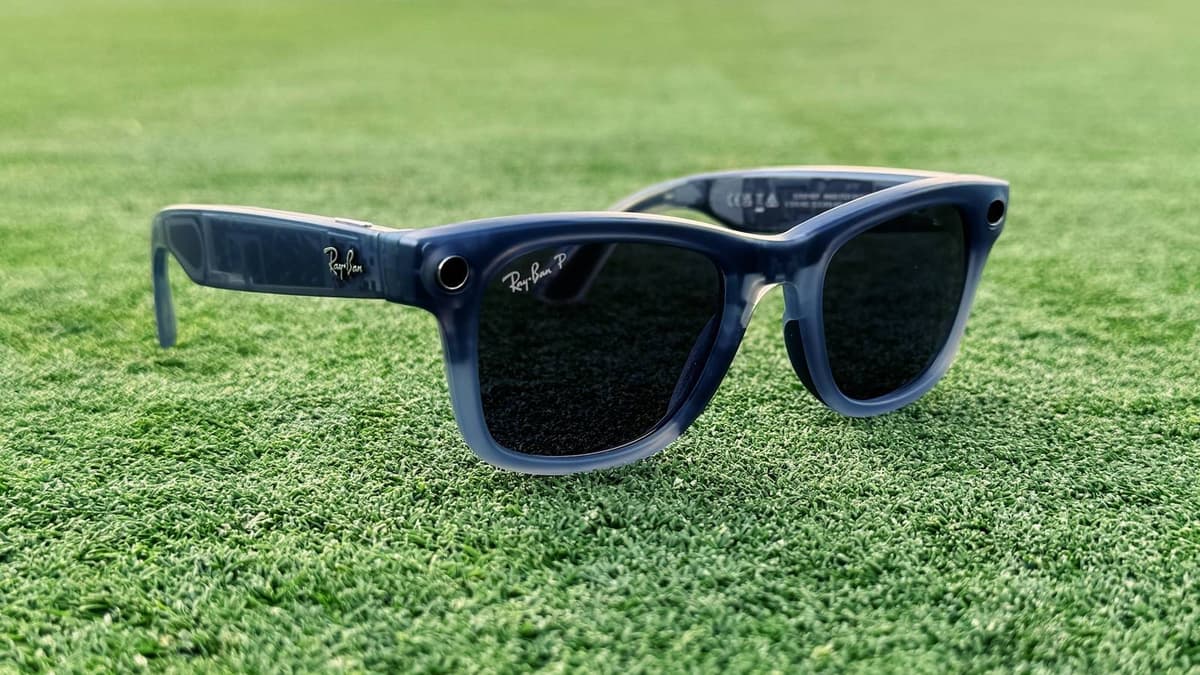
Samsung's Leaked Smart Glasses Could Finally Beat Ray-Bans if They Nail These 4 Things
Companies Mentioned


Why It Matters
If Samsung nails these four pillars, it could shift the wearable market toward a more integrated, AI‑driven smart‑glass ecosystem, challenging Ray‑Ban’s lead and accelerating consumer adoption of AR wearables.
Key Takeaways
- •Samsung eyes July 2026 launch alongside Galaxy Fold 8, Z Flip 8.
- •Rumored 12 MP Sony IMX681 sensor matches Ray‑Ban Meta Gen 2 camera.
- •Potential per‑pixel privacy screen could address social stigma of recording.
- •Deep Gemini AI integration promises contextual AR overlays and smarter interactions.
- •Tight Galaxy ecosystem sync may lock users into Samsung hardware.
Pulse Analysis
The wearable tech arena has been a testing ground for Samsung, from premium smart rings to market‑dominant smartwatches. With the Galaxy AI smart glasses slated for a Q3 2026 debut, the company is betting on a convergence of high‑resolution imaging and augmented‑reality (AR) capabilities. By aligning the launch with flagship phones like the Fold 8 and Z Flip 8, Samsung hopes to leverage its existing hype cycle, offering early adopters a compelling reason to upgrade their entire device ecosystem.
Technical differentiation will be critical. A 12 MP Sony IMX681 sensor puts the glasses on par with Ray‑Ban’s Meta Gen 2, while Samsung’s rumored per‑pixel privacy screen tackles the longstanding social concerns of covert recording. Battery capacity, at an estimated 245 mAh, may limit all‑day use, but the trade‑off could be acceptable if the device delivers superior low‑light performance and AI‑enhanced gesture recognition. Integration of Google’s Gemini large‑language‑model promises contextual AR overlays, real‑time translation, and smarter voice interactions, potentially setting a new benchmark for on‑lens intelligence.
Strategically, Samsung’s strength lies in its ecosystem. Seamless sync with Galaxy smartphones, smart rings, and wearables could create a lock‑in effect, encouraging users to stay within the Samsung universe. However, this advantage may also narrow the market to premium Galaxy owners, limiting broader adoption unless pricing is competitive. If Samsung can balance price, privacy, and performance, the Galaxy AI glasses could redefine the wearable segment, pressuring competitors like Ray‑Ban and Meta to accelerate their own innovations.
Samsung's leaked smart glasses could finally beat Ray-Bans if they nail these 4 things
Comments
Want to join the conversation?
Loading comments...