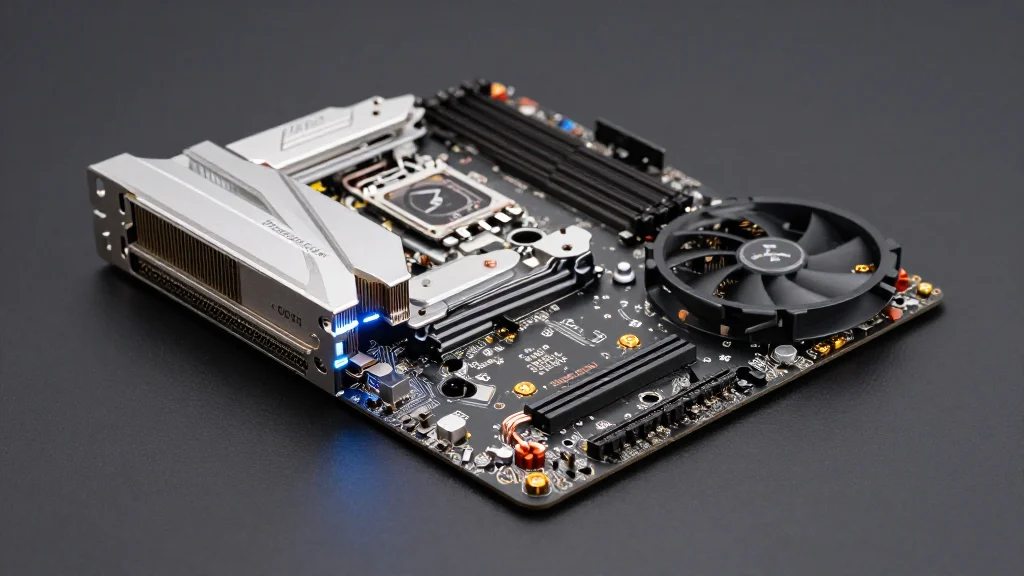
Sapphire NITRO+ PhantomLink X870EA and Radeon RX 9070 XT Review
Companies Mentioned

Why It Matters
By eliminating external GPU power cables, Sapphire offers cleaner builds and potentially higher power efficiency, a differentiator in the crowded high‑end PC market. The move also positions Sapphire as a direct competitor to established motherboard manufacturers, expanding its revenue streams beyond graphics cards.
Key Takeaways
- •Sapphire introduces direct‑motherboard GPU power via PhantomLink connector
- •PhantomLink eliminates external 8‑pin cables, improving aesthetics and airflow
- •Ecosystem works only with Sapphire X870EA motherboard; otherwise standard connectors
- •Integration may boost power efficiency and thermal performance for high‑end builds
- •Sapphire now competes with ASUS, MSI, Gigabyte in motherboard market
Pulse Analysis
The PhantomLink ecosystem marks a notable shift toward tighter component integration in the enthusiast PC segment. Historically, GPU power has been supplied through a combination of PCIe slot voltage and separate 8‑pin or 12‑pin adapters, creating cable clutter and potential bottlenecks. Sapphire’s solution routes high‑wattage power through a dedicated motherboard connector, allowing designers to streamline airflow paths and reduce the mechanical stress on GPU PCBs. For builders focused on showcase rigs or compact high‑performance cases, the visual and practical benefits are immediate, while the direct power path promises more consistent voltage regulation under heavy loads.
From a technical standpoint, the RX 9070 XT retains AMD’s latest RDNA architecture, paired with a triple‑fan vapor‑chamber cooler that benefits from the reduced cable density. The X870EA motherboard’s support for DDR5 and PCIe Gen5 ensures the platform can handle next‑generation memory speeds and storage bandwidth, complementing the GPU’s capabilities. Early testing suggests that the PhantomLink’s power delivery can sustain higher sustained clock speeds with marginally lower temperature spikes compared to conventional setups, though real‑world gains will depend on firmware optimization and workload characteristics.
Strategically, Sapphire’s entry into the motherboard arena challenges incumbents like ASUS, MSI and Gigabyte, leveraging its strong brand reputation in graphics cards to offer a differentiated, co‑engineered solution. This dual‑product strategy could foster tighter hardware‑software synergy, opening avenues for proprietary BIOS features and coordinated thermal management. If the ecosystem gains traction, it may prompt other GPU vendors to explore similar integrations, potentially reshaping the component hierarchy in high‑end desktop computing.
Sapphire NITRO+ PhantomLink X870EA and Radeon RX 9070 XT review
Comments
Want to join the conversation?
Loading comments...