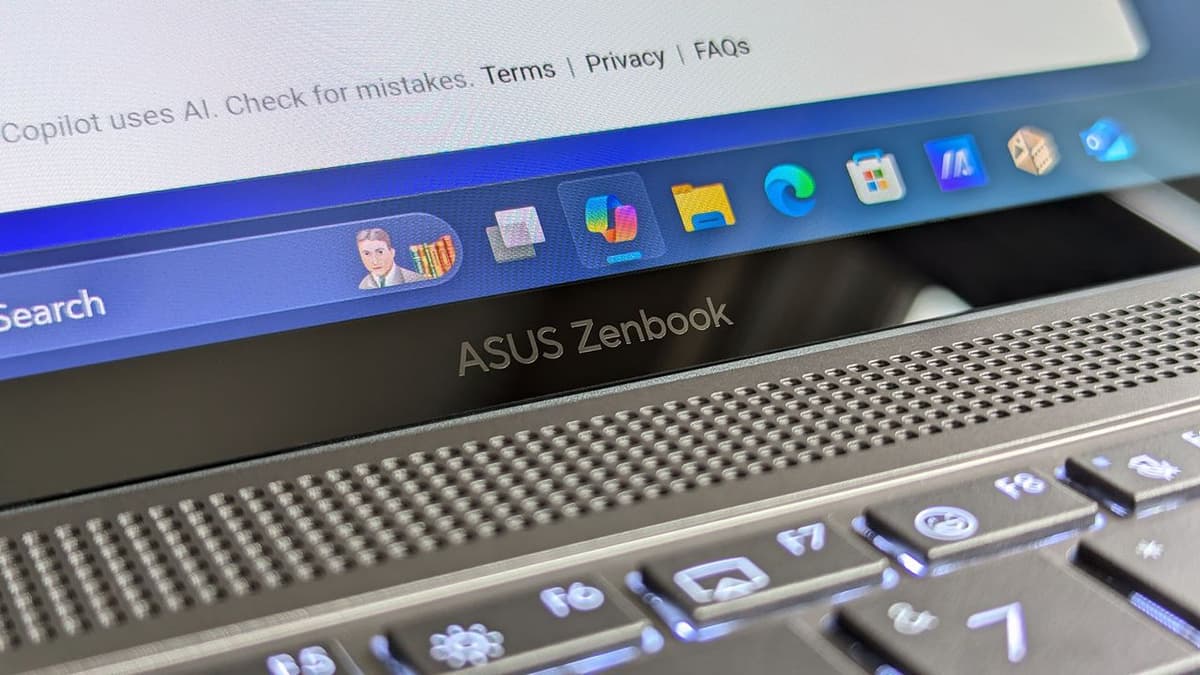
Should You Debloat Windows 11? The Custom ISO Scene Is Bigger than You Think
Companies Mentioned
Why It Matters
Debloating Windows 11 can restore system responsiveness and safeguard user data, a critical concern for both consumers and enterprises facing performance‑driven competition. The rise of projects like AtlasOS signals a shift toward community‑driven operating‑system customization, challenging Microsoft’s default roadmap.
Key Takeaways
- •AtlasOS removes built‑in telemetry, improving privacy
- •Custom ISOs can boost Windows 11 frame rates by up to 15%
- •ExplorerPatcher’s 42 M downloads show demand for tweaks
- •Debloated builds retain compatibility with most commercial apps
- •Community ISOs may pressure Microsoft to streamline defaults
Pulse Analysis
Windows 11’s default configuration includes a host of background services, telemetry agents, and visual effects that, while designed for a seamless out‑of‑the‑box experience, often sap CPU cycles and expose user data. Over the past few years, power users have turned to tools such as ExplorerPatcher to re‑enable classic features and disable intrusive components, a trend reflected in its 42 million downloads. However, piecemeal tweaks can leave the system in an inconsistent state, prompting a new wave of fully‑rebuilt ISO images that start from a clean slate. These custom builds aim to deliver a leaner operating system without sacrificing the broad hardware compatibility that Windows is known for.
Enter AtlasOS, the latest entrant in the debloating arena. Unlike simple scripts, AtlasOS provides a pre‑configured, ready‑to‑install ISO that strips out telemetry, disables unnecessary services, and fine‑tunes power‑management settings. Early adopters report smoother multitasking, quicker boot times, and up to a 15 percent increase in gaming frame rates, all while preserving support for mainstream applications like Microsoft Office and Adobe Creative Cloud. The project’s open‑source nature encourages community contributions, ensuring rapid updates and compatibility patches as Windows evolves.
The growing popularity of debloated Windows builds has broader implications for the enterprise market. Companies seeking to reduce licensing costs and improve endpoint performance may consider deploying custom ISOs instead of standard images, provided they can manage the associated support overhead. Moreover, Microsoft may feel pressure to offer more granular control over built‑in features, potentially integrating a "debloat mode" in future releases. As privacy concerns intensify and performance becomes a differentiator, the custom ISO ecosystem is poised to become a significant factor in the Windows landscape.
Should you debloat Windows 11? The custom ISO scene is bigger than you think
Comments
Want to join the conversation?
Loading comments...