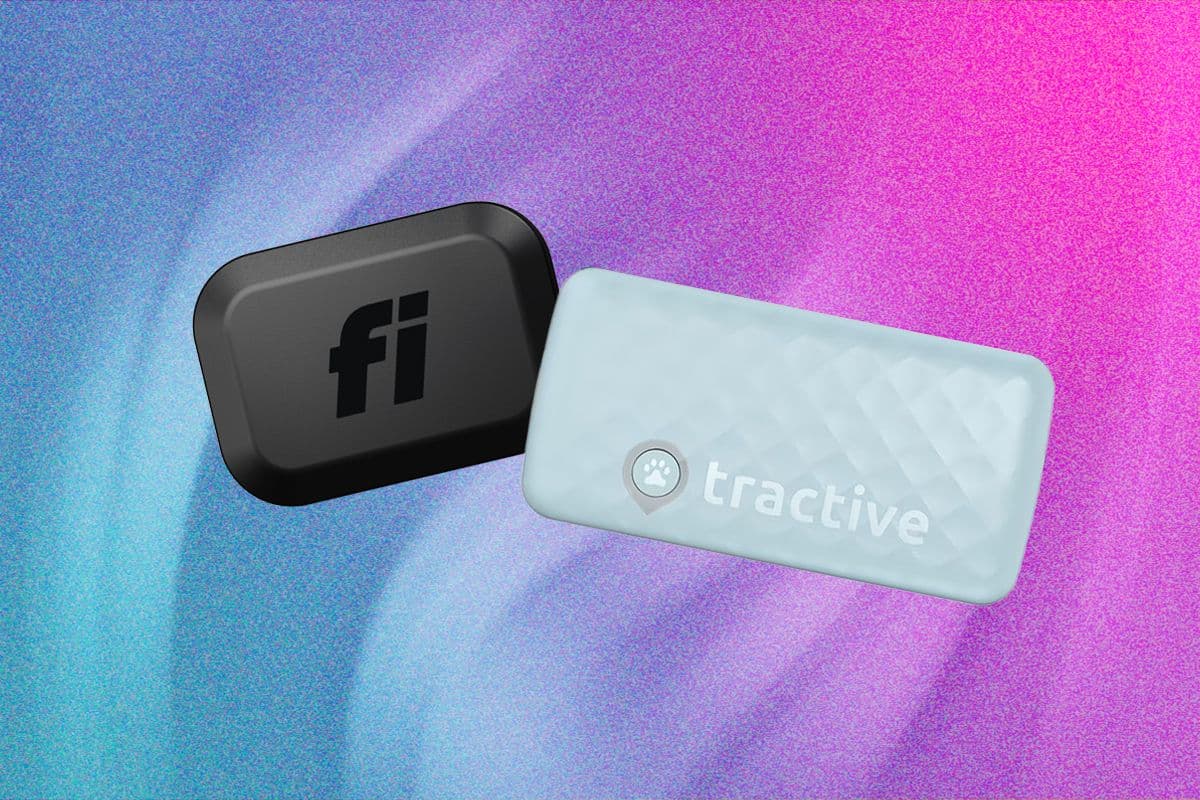
Smart Cat Collars: Which Is Best for Health and GPS Tracking?
Why It Matters
Smart pet collars are moving beyond simple ID tags, giving owners actionable health data and real‑time location alerts that can reduce veterinary costs and improve animal welfare. The choice between health‑focused and GPS‑focused devices shapes how the pet‑tech market will evolve toward integrated, subscription‑based ecosystems.
Key Takeaways
- •Fi Mini provides granular activity and sleep data via its app
- •Tractive delivers up to 7‑day battery life and wider cellular coverage
- •Both collars require a monthly subscription for cloud storage
- •Fi Mini’s sleek, lightweight design suits indoor‑only cats
- •Tractive’s stronger GPS is better for outdoor‑roaming pets
Pulse Analysis
The pet‑tech sector is experiencing rapid growth as owners seek data‑driven insights into their animals’ wellbeing. Smart collars like Fi Mini and Tractive exemplify this trend, turning a simple ID tag into a health monitor and GPS beacon. By aggregating activity levels, sleep patterns, and location history, these devices enable early detection of issues such as obesity, arthritis, or wandering behavior, potentially saving owners thousands in veterinary bills. The shift toward continuous monitoring also mirrors broader consumer‑electronics trends, where wearables have become mainstream for humans and are now crossing over to pets.
When evaluating the two leading models, the distinction lies in their core strengths. Fi Mini excels at health analytics, offering detailed metrics on movement intensity, rest cycles, and even stress indicators through proprietary algorithms. Its compact form factor makes it comfortable for indoor cats that rarely venture outside. Conversely, Tractive prioritizes connectivity, leveraging a global cellular network to provide real‑time location updates and a longer battery span—critical for cats that spend significant time outdoors. Both platforms rely on subscription plans to store historical data, reflecting a growing industry move toward recurring revenue models that fund ongoing software improvements and cloud infrastructure.
Looking ahead, the integration of AI and edge computing could further enhance smart collar capabilities, allowing on‑device anomaly detection without constant cloud reliance. Privacy considerations will also become paramount as pet data joins the broader Internet of Things ecosystem. For businesses, the lesson is clear: products that blend robust health monitoring with reliable GPS, while offering transparent pricing and data security, will capture the most loyal segment of pet owners eager to invest in their companions’ safety and longevity.
Smart Cat Collars: Which Is Best for Health and GPS Tracking?
Comments
Want to join the conversation?
Loading comments...