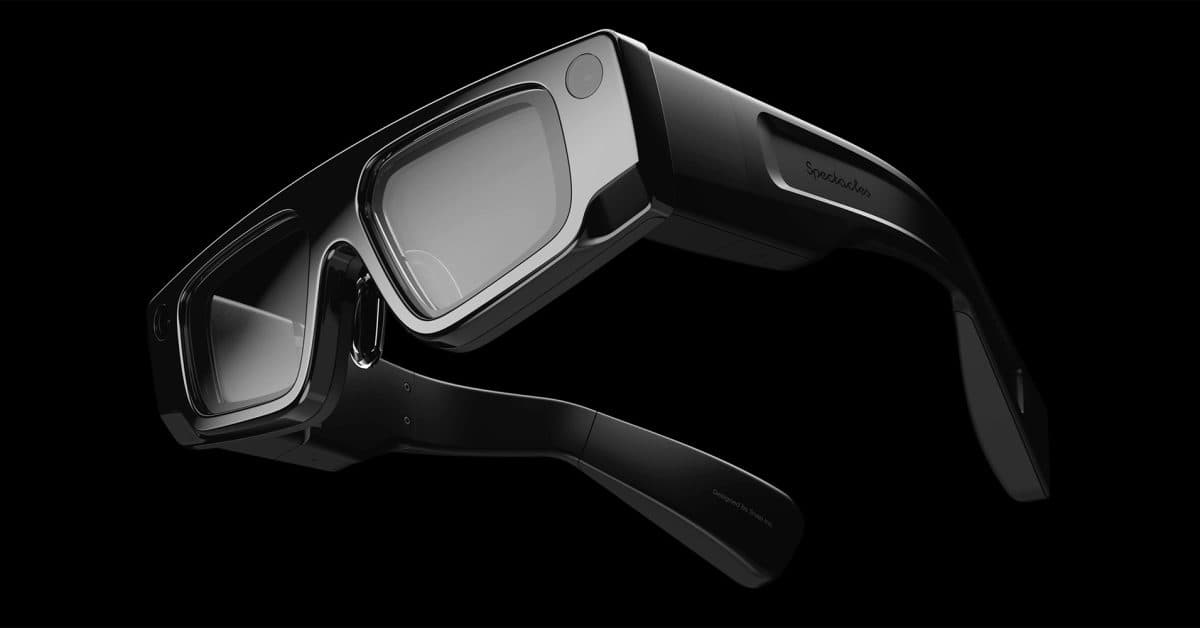
Snap’s AR Glasses with Display Reportedly Beat Android XR to Launch, but for $2,500
Companies Mentioned

Why It Matters
A premium‑priced, true‑AR headset from a major social platform could accelerate consumer adoption and push competitors toward more immersive experiences. Snap’s entry also signals a shift from simple HUDs to spatial computing in mainstream wearables.
Key Takeaways
- •Snap's Spectacles target $2,500 price, positioning as premium AR
- •Launch slated for fall 2026, ahead of Android XR competitors
- •Spectacles aim for true AR object placement, not just HUD
- •Meta's Ray‑Ban Display glasses cost $800, offering cheaper alternative
Pulse Analysis
The AR glasses market is reaching a tipping point as major players vie for dominance in spatial computing. Snap, best known for its Snapchat platform, has been quietly iterating on Spectacles for years, and the upcoming fall 2026 launch marks its most ambitious attempt yet. By pricing the device at $2,500, Snap positions itself above consumer‑grade head‑up displays while aiming to deliver genuine augmented reality that blends digital objects into real‑world environments. This strategy differentiates it from Meta’s Ray‑Ban Display glasses, which sit at $800 and primarily serve as a HUD, and from Google’s upcoming audio‑first XR glasses slated for 2027.
The steep price tag raises questions about market readiness, yet it also underscores Snap’s confidence in the technology’s value proposition. True AR capabilities—such as depth‑aware object placement and seamless interaction—require sophisticated optics, sensors, and processing power, driving up costs. Early adopters, developers, and enterprise clients may view the premium as an investment in a platform that could unlock new content formats, from immersive advertising to collaborative remote work tools. Moreover, Snap’s massive user base and developer ecosystem provide a ready pipeline for applications that leverage its social and creative tools, potentially justifying the expense for brands seeking novel engagement channels.
Looking ahead, Snap’s launch could catalyze a broader shift toward higher‑end AR wearables, prompting competitors to accelerate their roadmaps and possibly lower prices through economies of scale. If Spectacles deliver on the promise of spatially aware AR, they may set a new benchmark for what consumers expect from smart glasses, influencing everything from hardware design to software standards. Investors and analysts will be watching closely at the Augmented World Expo in June, where Snap is expected to reveal more technical details and partnership plans that could shape the next wave of immersive technology.
Snap’s AR glasses with display reportedly beat Android XR to launch, but for $2,500
Comments
Want to join the conversation?
Loading comments...