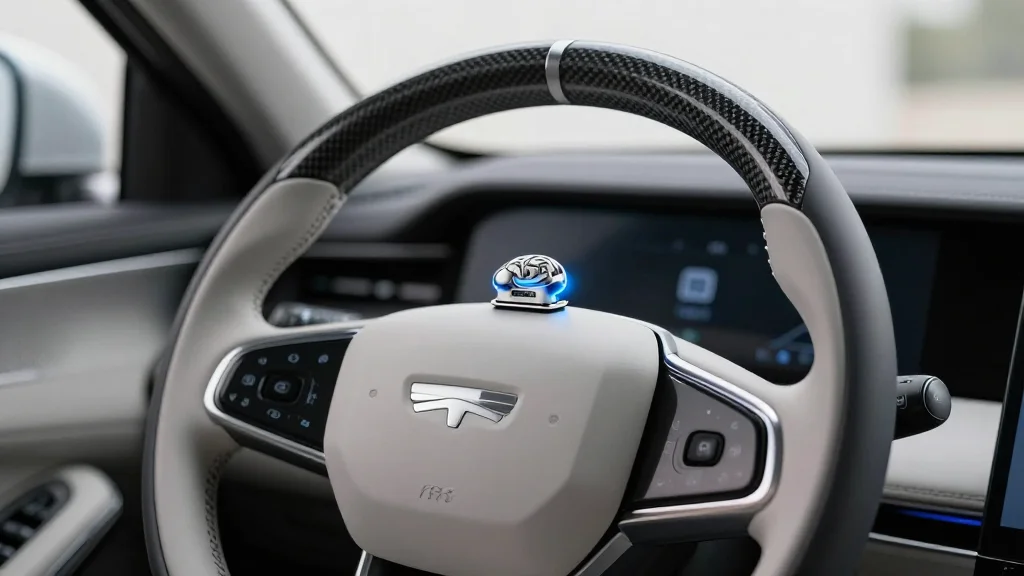
Stellantis Taps Applied Intuition to Power $70 Bn FaSTLane 2030 Software Push

Companies Mentioned
Why It Matters
The Stellantis‑Applied Intuition alliance signals a decisive turn toward software‑centric vehicle design, blurring the line between automotive and consumer tech. By treating the car as a connected platform that can receive continuous AI‑driven upgrades, Stellantis aims to meet consumer expectations shaped by smartphones and smart speakers, potentially reshaping revenue models toward subscription‑based services. Moreover, the partnership illustrates how legacy manufacturers can accelerate digital transformation by leveraging the speed and expertise of Silicon Valley startups, a playbook that could become the industry norm. If successful, the STLA Brain could become a shared operating system across 14 brands, creating economies of scale that lower development costs and enable rapid feature deployment. This could pressure rivals—both traditional OEMs and pure‑play EV makers—to double down on similar software partnerships or risk falling behind in the race for AI‑enhanced mobility.
Key Takeaways
- •$70 billion FaSTLane 2030 investment announced by Stellantis
- •Expanded partnership with Applied Intuition to develop STLA Brain software architecture
- •Plan includes 60 new vehicle launches and 50 refreshes by 2030
- •Collaboration also involves Qualcomm (ADAS) and Wayve (autonomous driving)
- •Stellantis aims to deliver over‑the‑air updates and AI assistants across 14 brands
Pulse Analysis
Stellantis’ decision to outsource its core vehicle software to Applied Intuition reflects a strategic acknowledgment that software velocity is now a competitive moat. Historically, automakers built proprietary stacks in-house, leading to fragmented updates and long development cycles. By adopting a Silicon Valley model—where code can be iterated, tested, and deployed at scale—Stellantis hopes to compress the innovation timeline that has traditionally favored tech‑first entrants like Tesla and Chinese EV firms.
The $70 billion spend is not merely a cash infusion; it is a bet that software can become a primary revenue driver through features‑as‑a‑service, OTA upgrades, and data monetization. If the STLA Brain delivers a seamless, brand‑agnostic experience, Stellantis could unlock cross‑selling opportunities, such as premium AI assistants or advanced driver‑assistance packages sold on a subscription basis. This mirrors the shift seen in consumer tech where hardware margins are bolstered by recurring software revenue.
However, the partnership also carries risk. Integrating a third‑party software layer across a sprawling 14‑brand portfolio demands rigorous validation to avoid safety or reliability lapses. Any high‑profile OTA failure could erode consumer trust, as seen in past incidents at other OEMs. Moreover, reliance on external startups may expose Stellantis to talent churn and shifting strategic priorities. The next few years will test whether the alliance can deliver the promised speed and scalability without compromising the brand integrity that consumers associate with each Stellantis marque.
Stellantis taps Applied Intuition to power $70 bn FaSTLane 2030 software push
Comments
Want to join the conversation?
Loading comments...