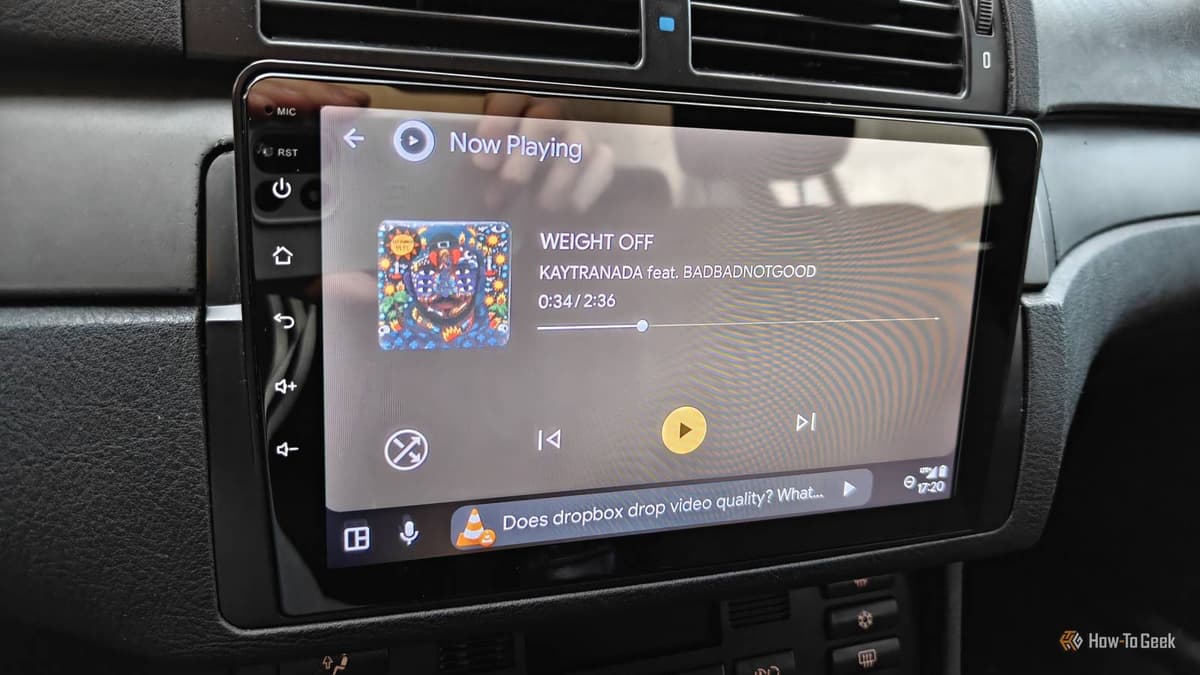
Stop Relying on Streaming Apps for Android Auto—Local Music Players Are Drastically Better
Why It Matters
Reliable, high‑quality audio enhances driver focus and safety, while reducing data costs and dependence on cellular coverage.
Key Takeaways
- •Streaming ads and buffering disrupt driving focus.
- •Local files offer up to 320 kbps, double streaming bitrate.
- •Offline playback works in tunnels, valleys, and poor signal zones.
- •Premium subscriptions remove ads but still need data for downloads.
Pulse Analysis
The shift from cloud‑based streaming to on‑device music libraries reflects a broader trend in automotive infotainment: prioritizing reliability over convenience. In regions with spotty 4G/5G coverage—mountain passes, rural highways, or tunnels—streaming services frequently stall, forcing drivers to divert attention to troubleshoot. Local playback eliminates this risk, delivering uninterrupted sound that aligns with safety regulations and driver‑assist systems. Moreover, high‑resolution audio formats such as 320 kbps MP3 or FLAC can fully exploit premium car speaker systems, offering clearer highs and richer bass that streaming‑compressed tracks often lack.
From a cost perspective, relying on premium subscriptions like Spotify Premium ($12.99 per month) still incurs recurring fees and consumes cellular data for offline downloads. Building a personal library, while initially time‑intensive, becomes a one‑time investment that pays off through unlimited playback without additional charges. Users can source music legally from purchases, free archives, or bundled collections, then sync them to their Android device. This approach not only sidesteps ad interruptions but also reduces data usage, an important consideration for drivers with limited mobile plans.
Looking ahead, automakers are integrating native media players directly into head units, supporting formats like DVC (Direct Volume Control) and high‑resolution codecs. As vehicle connectivity evolves, the balance may tilt back toward streaming, but for now, the pragmatic solution for most commuters is a hybrid model: a robust local library for everyday trips, supplemented by streaming when a specific track isn’t on hand. This strategy maximizes audio quality, minimizes distractions, and aligns with the growing consumer demand for dependable in‑car entertainment.
Stop relying on streaming apps for Android Auto—local music players are drastically better
Comments
Want to join the conversation?
Loading comments...