Surface Fans Are Now 3D‑printing the Hardware Microsoft Won’t Build
Companies Mentioned

Why It Matters
It shows how user‑driven 3D‑printing can fill gaps left by Microsoft’s hardware strategy, creating a niche market for affordable, ergonomic Surface accessories.
Key Takeaways
- •3D‑printable dock adds lap stability for Surface Pro devices
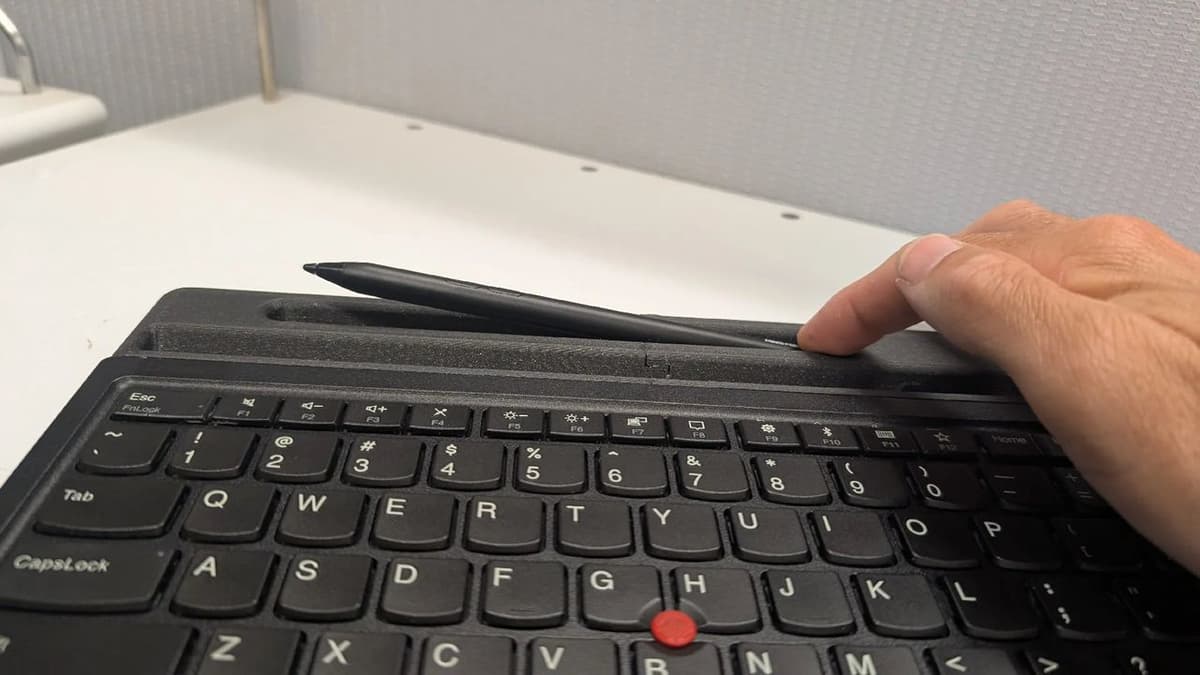
- •Dock integrates Lenovo ThinkPad TrackPoint II Bluetooth Keyboard ($131)
- •Design hosts on Printables, free for anyone to download
- •Works with most modern Surface Pro models, but limits trackpad use
- •Highlights demand for affordable, ergonomic Surface accessories
Pulse Analysis
The rise of consumer‑level 3D printing is reshaping how users customize their devices, and the Surface Pro ecosystem is a prime example. Microsoft’s premium tablets excel in performance but have long struggled with ergonomic accessories, especially for lap use. By publishing a printable dock on Printables, hobbyist idiogenic provides a practical workaround that sidesteps Microsoft’s high‑priced keyboard and pen bundles. This DIY solution not only leverages the growing maker community but also signals that enthusiasts are willing to engineer their own hardware when official options fall short.
The dock’s core functionality is straightforward: a magnetic slot secures the Surface Pro, while a recessed cradle holds the Lenovo ThinkPad TrackPoint II Bluetooth keyboard and the Surface Pen. Priced at about $131, the keyboard is readily available at retailers like Best Buy, making the total outlay far lower than Microsoft’s proprietary accessories. Compatibility spans most recent Surface Pro generations, though the wide keyboard prevents a flush fit and eliminates a built‑in trackpad, forcing users to rely on the TrackPoint nub. The trade‑off is a more stable lap experience at the expense of the kickstand’s full angle range, a compromise many power users find acceptable.
For Microsoft, the dock underscores a broader market insight: a segment of professionals seeks affordable, ergonomic peripherals that the company’s current lineup does not address. This gap could inspire Microsoft to either lower its accessory prices or open its hardware ecosystem to third‑party collaborations. Meanwhile, the success of community‑driven designs may encourage other makers to develop niche solutions, further diversifying the PC accessory landscape and reinforcing the role of open‑source hardware in mainstream tech adoption.
Surface fans are now 3D‑printing the hardware Microsoft won’t build
Comments
Want to join the conversation?
Loading comments...