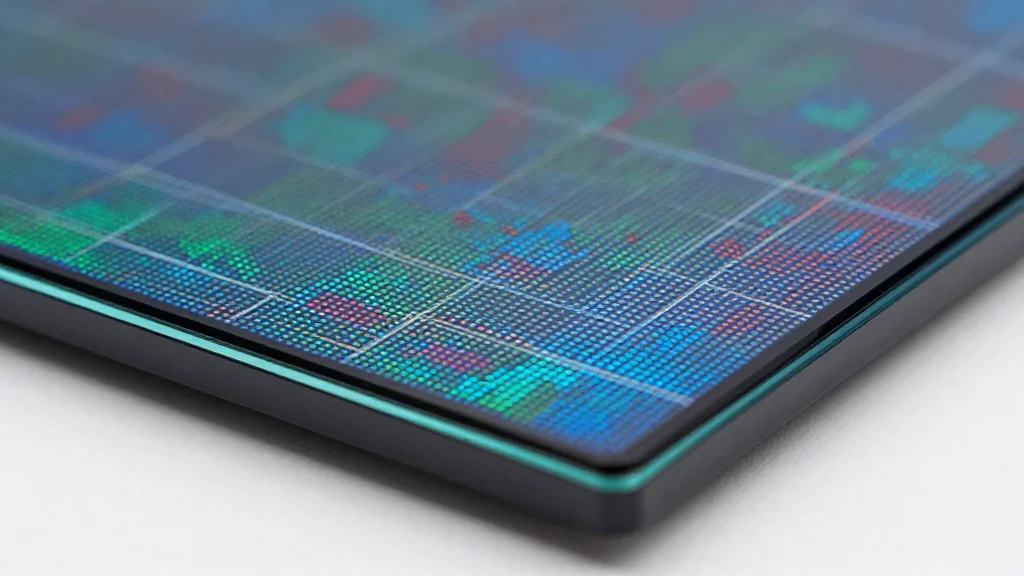
TCL CSOT Unveils AI‑Driven APEX Pixel Displays at SID 2026

Companies Mentioned
Why It Matters
The APEX Pixel platform signals a turning point where AI moves from a peripheral aid to the core engine of display innovation. Faster R&D cycles mean manufacturers can respond more nimbly to shifting consumer preferences for higher refresh rates, HDR performance, and energy efficiency. Moreover, the RGBC subpixel design directly addresses long‑standing color‑gamut limitations, potentially raising the baseline for visual fidelity across all consumer screens. For the broader consumer‑tech market, these advances could compress the price premium traditionally associated with OLED and mini‑LED technologies, democratizing premium visual experiences. By embedding AI into both design and quality‑control stages, TCL CSOT also showcases a template for sustainable manufacturing. Reduced prototype counts and higher defect‑detection rates translate into lower material waste and lower carbon footprints—key metrics as regulators and environmentally conscious shoppers push the industry toward greener practices. The ripple effect may force competitors to adopt similar AI‑first strategies, accelerating an industry‑wide shift toward smarter, more responsible production.
Key Takeaways
- •TCL CSOT unveiled AI‑driven APEX Pixel platform at SID Display Week 2026, featuring a new RGBC subpixel structure.
- •AI digital twin cuts average R&D cycle by up to two months per project.
- •AI‑powered visual inspection reduces missed defects by 85% on the manufacturing floor.
- •Product‑issue analysis efficiency improves by 20%; material‑development efficiency rises by 30%.
- •World’s Largest HVA Ultra TV (130") and World’s Highest Image Quality WHVA Ultra LCD TV (85") launched with ultra‑slim profiles and low‑power designs.
Pulse Analysis
TCL CSOT’s APEX Pixel rollout is more than a product announcement; it is a strategic play to redefine the economics of premium display manufacturing. Historically, panel makers have relied on incremental hardware improvements—higher brightness, better contrast ratios—to justify price premiums. By embedding AI throughout the development pipeline, TCL CSOT is attacking the cost structure head‑on, shaving months off time‑to‑market and slashing defect rates to near‑zero. This operational advantage could translate into a pricing edge that forces rivals to either adopt similar AI frameworks or risk losing market share to more cost‑effective offerings.
The RGBC pixel architecture also deserves close attention. Adding a cyan subpixel directly tackles the spectral gaps that have limited RGB panels for years, especially in delivering vivid blues and cyans essential for HDR content. If the visual gains prove perceptible to end‑users, we may see a rapid migration toward RGBC as the new industry baseline, much like the shift from LCD to LED and then to mini‑LED. Such a shift would open up new design possibilities for thin‑and‑light devices, AR/VR headsets, and automotive displays, where color accuracy and power efficiency are paramount.
Finally, the human‑centric narrative—balancing visual comfort with eco‑friendly design—aligns with a growing consumer consciousness around health and sustainability. As smart homes become more integrated, screens that can adapt to ambient lighting and reduce eye strain will be a differentiator. TCL CSOT’s early bet on this philosophy positions it to capture a segment of the market that values well‑being as much as visual performance, potentially reshaping purchasing criteria across the consumer tech landscape.
TCL CSOT Unveils AI‑Driven APEX Pixel Displays at SID 2026
Comments
Want to join the conversation?
Loading comments...