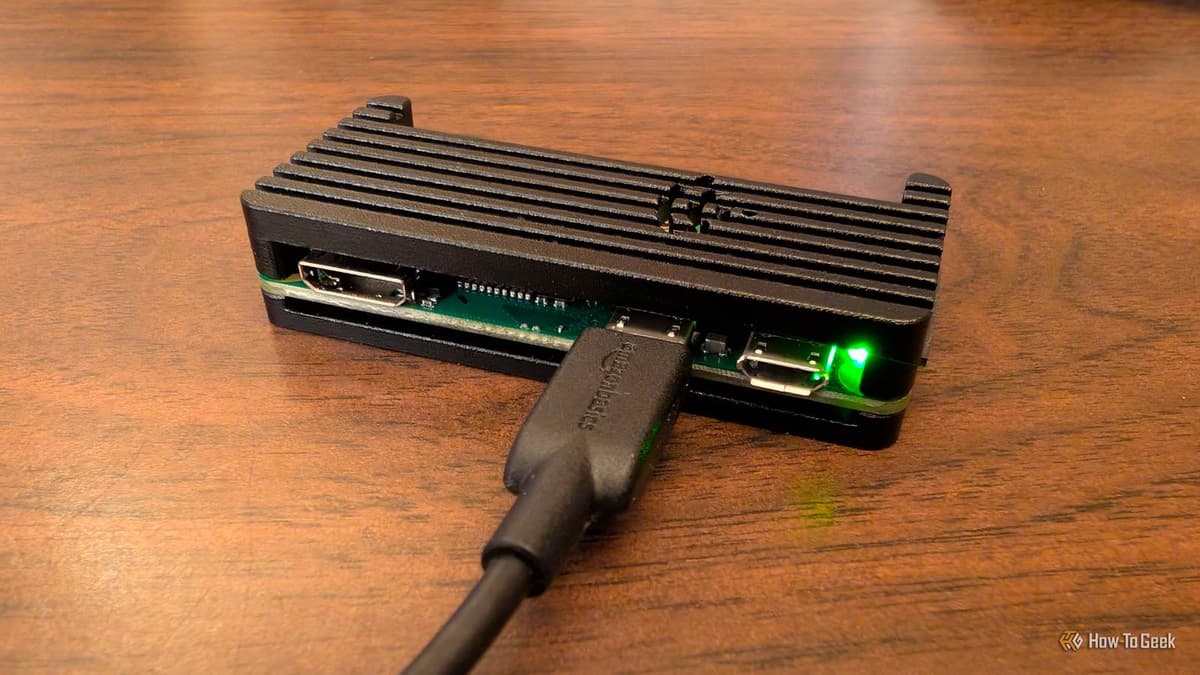
The $15 Raspberry Pi Upgrade Every Wi-Fi Router Needs
Why It Matters
Pi‑hole gives households enterprise‑grade network filtering at minimal cost, cutting exposure to malicious domains while improving user experience.
Key Takeaways
- •Pi‑hole provides network‑wide ad, malware, and phishing protection
- •A Raspberry Pi Zero 2W costs $15‑$30 and runs Pi‑hole easily
- •Setup requires static IP, Pi‑OS Lite, and simple install script
- •Blocklist maintenance may require occasional whitelisting to avoid breakage
- •Larger networks may need a Pi 4 for sufficient DNS query handling
Pulse Analysis
The DIY security movement has gained momentum as consumers seek affordable ways to harden home networks. Raspberry Pi devices, especially the ultra‑cheap Zero 2W, have become the go‑to hardware for this purpose because they combine low power draw, small form factor, and a vibrant open‑source ecosystem. By deploying Pi‑hole, users add a DNS‑level firewall that blocks unwanted traffic before it reaches devices, delivering ad‑free browsing and a first line of defense against malware without the subscription fees of commercial solutions.
At its core, Pi‑hole works by acting as the network’s authoritative DNS server. When a device requests a domain, Pi‑hole checks the query against blocklists curated by the community and security researchers. If the domain appears on a list, the request is dropped, preventing the connection entirely. This method is lightweight—requiring only a few megahertz of CPU—so even the modest Zero 2W can handle dozens of concurrent queries. However, because some sites host content and ads on the same domain, users may need to whitelist entries to avoid breaking functionality, and regular list updates are essential to keep pace with emerging threats.
For businesses and power users, the Pi‑hole model illustrates how edge‑computing devices can complement traditional firewalls. Integrating Pi‑hole with other self‑hosted services—such as VPNs, network monitoring tools, or home‑automation hubs—creates a unified, cost‑effective security stack. While it doesn’t replace endpoint antivirus or professional intrusion‑detection systems, Pi‑hole offers a scalable, transparent layer of protection that rivals many paid appliances, making it an attractive option for budget‑conscious households and small offices alike.
The $15 Raspberry Pi upgrade every Wi-Fi router needs
Comments
Want to join the conversation?
Loading comments...