The 5 Best Basic Running Watches Go Hard on Features and Easy on Your Wallet
Companies Mentioned
Why It Matters
Affordable watches let casual runners access reliable performance data without the premium price tag, expanding the market for health‑focused wearables and encouraging broader adoption of quantified training.
Key Takeaways
- •Coros Pace 4 offers 31‑hour GPS battery at under $250.
- •Garmin Forerunner 55 provides 20‑hour workout battery, lightweight design.
- •Polar Pacer includes training plans and recovery insights for $215.
- •Apple Watch SE adds lifestyle apps but needs daily charging.
- •Garmin Bounce delivers kid‑friendly activity tracking with parental remote monitoring.
Pulse Analysis
The surge in budget‑friendly wearables reflects a broader shift toward democratizing fitness data. While flagship models from brands like Garmin and Suunto can exceed $500, a growing segment of runners now prioritize core metrics—pace, heart rate, distance—over advanced analytics. Devices priced under $250 strike a balance between accuracy and affordability, making them attractive to weekend joggers and new entrants who want actionable insights without a hefty investment. This price point also encourages manufacturers to innovate in battery efficiency and sensor integration, driving competition that benefits consumers across the spectrum.
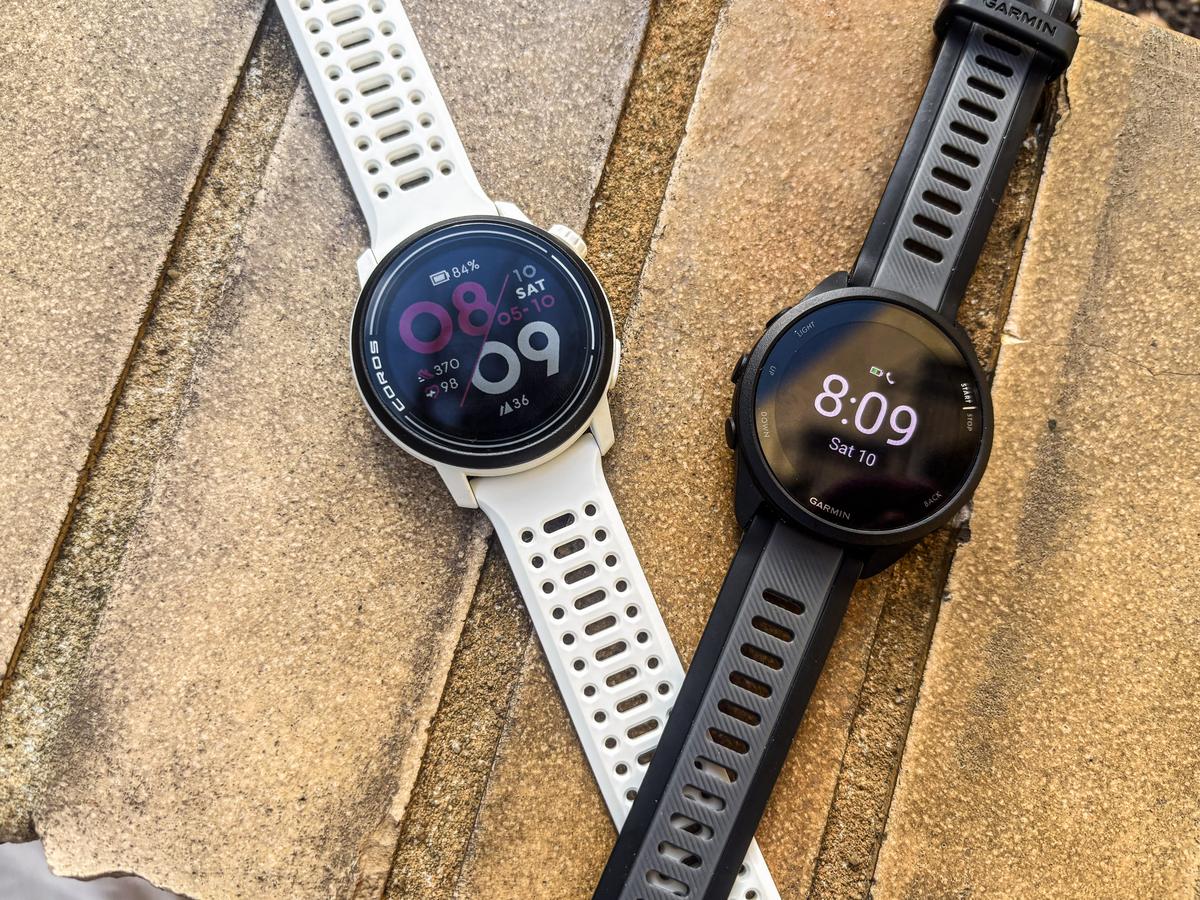
Among the top contenders, the Coros Pace 4 stands out with dual‑frequency GPS and up to 31 hours of tracking, rivaling higher‑priced rivals in accuracy while maintaining a sleek, lightweight profile. Garmin’s Forerunner 55 leverages the brand’s robust ecosystem, offering a 20‑hour workout battery and seamless sync with the Connect app, though its smaller display limits on‑the‑fly data visibility. The Polar Pacer differentiates itself with built‑in training plans and recovery metrics, appealing to runners seeking structured guidance without hiring a coach. Meanwhile, the Apple Watch SE blends fitness tracking with a full suite of lifestyle features, but its sub‑18‑hour battery life may deter power users. For younger athletes, the Garmin Bounce introduces gamified activity tracking, providing parents with remote monitoring tools while keeping the experience playful.
The availability of capable, low‑cost watches is reshaping how the fitness industry approaches data. As more consumers adopt these devices, we can expect a surge in third‑party app development, deeper integration with health platforms, and a push for even longer battery life to meet the demands of multi‑day events. For runners, the key takeaway is clear: reliable performance data is no longer exclusive to premium gear, allowing anyone to fine‑tune their training, monitor recovery, and stay motivated without breaking the bank.
The 5 Best Basic Running Watches Go Hard on Features and Easy on Your Wallet
Comments
Want to join the conversation?
Loading comments...