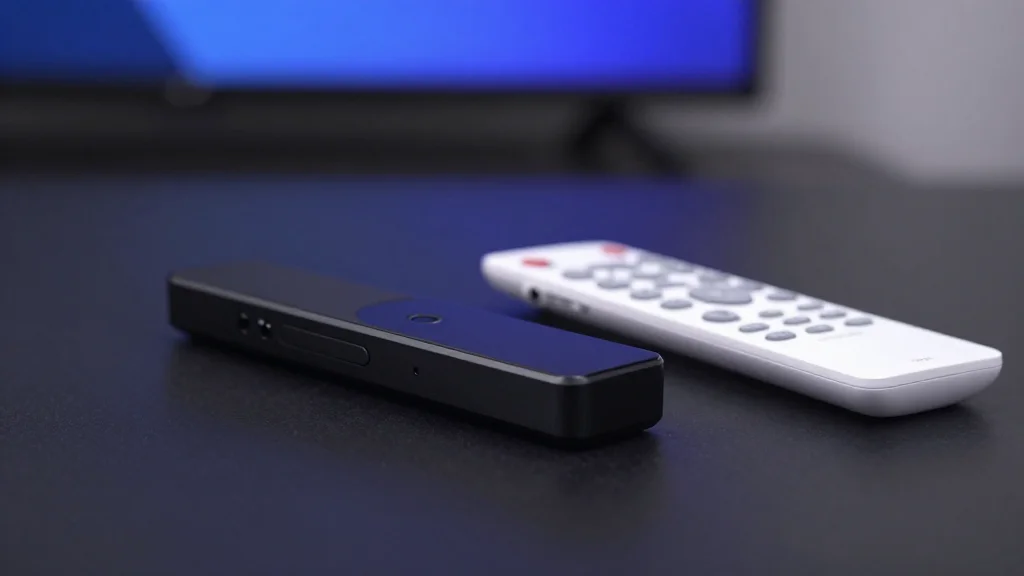
The 5 Best Streaming Devices (And Why They’re Better Than Your Smart TV)

Why It Matters
Improved performance and ecosystem integration drive higher consumer satisfaction and increase spending on ancillary hardware, reshaping the home entertainment market.
Key Takeaways
- •Streamers give faster, smoother 4K playback versus most smart TVs
- •Roku Ultra offers best overall performance and user-friendly interface
- •Apple TV 4K provides premium power but at higher price
- •Fire TV Stick 4K Max adds Alexa voice control
- •Google TV Streamer 4K features sleek design and USB‑C power
Pulse Analysis
The rapid adoption of over‑the‑top video services has turned the living‑room into a battleground for performance and convenience. While modern smart TVs ship with built‑in apps, their generic processors and infrequent firmware updates often result in lag, buffering, and limited format support. Dedicated streaming devices sidestep these constraints by using specialized chips, more RAM, and regular software pipelines, delivering consistently smooth 4K HDR streams even on modest Wi‑Fi networks. For consumers, this translates into a noticeable reduction in load times and a more reliable viewing experience, extending the useful life of older television sets.
Among the current leaders, Roku Ultra distinguishes itself with an intuitive, platform‑agnostic UI and a robust catalog of free ad‑supported channels, making it a safe default for most households. Apple TV 4K leverages the Apple ecosystem, offering superior processing power, high‑fidelity audio, and seamless integration with HomeKit, but its premium price limits mass appeal. Amazon’s Fire TV Stick 4K Max couples competitive performance with Alexa voice commands, appealing to users already invested in Amazon services. Google’s TV Streamer 4K adds a sleek form factor and USB‑C power, while the budget‑friendly Roku Streaming Stick 4K provides a cost‑effective upgrade path for legacy TVs.
The competitive landscape forces TV manufacturers to reconsider native streaming capabilities, often bundling third‑party platforms or partnering with device makers to stay relevant. As 8K content and AI‑driven recommendation engines mature, streaming hardware will need more powerful GPUs and on‑device machine learning to handle higher bitrates and personalized interfaces. Meanwhile, the rise of smart‑home hubs means future devices will act as central control points, blurring the line between entertainment and home automation. Consumers can expect tighter ecosystem integration, lower latency, and potentially subscription‑bundled hardware models in the next few years.
The 5 Best Streaming Devices (And Why They’re Better Than Your Smart TV)
Comments
Want to join the conversation?
Loading comments...