Companies Mentioned


Why It Matters
The framework shows investors and product teams where to focus resources to turn wearable tech from novelty into a mass‑market revenue driver, reshaping the intersection of fashion and consumer electronics.
Key Takeaways
- •Stylish design drives consumer acceptance
- •Practical utility outweighs novelty for adoption
- •Fashion brand partnerships add credibility
- •Organic influencer use boosts authentic demand
- •Price must align with mass‑market expectations
Pulse Analysis
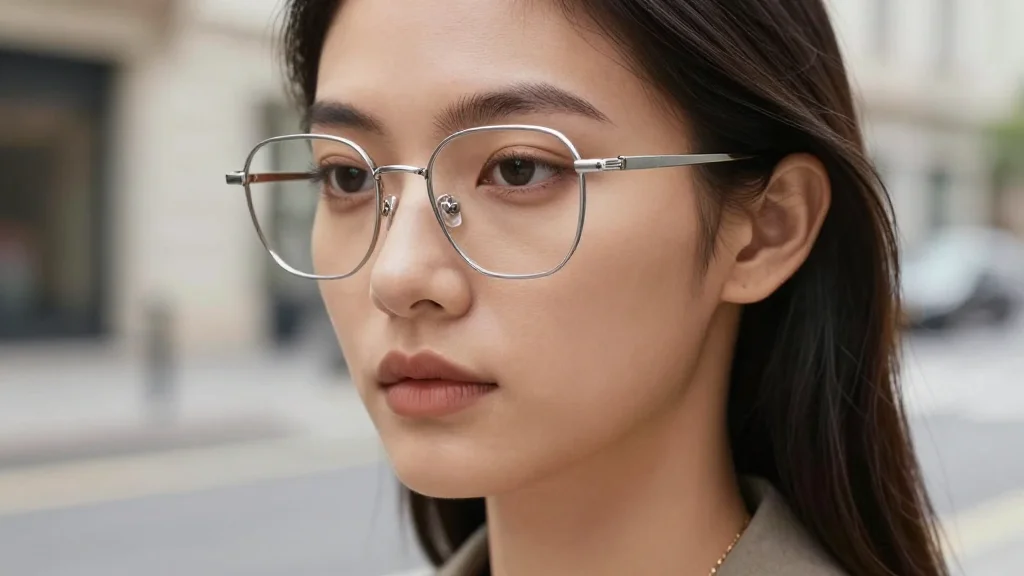
The wearable‑tech market is at a crossroads, with Meta’s 10‑year Manhattan lease for Ray‑Ban glasses signaling confidence in a fashion‑forward approach. Apple’s upcoming smart glasses and Google’s Warby Parker collaboration underscore a broader industry shift: tech firms are seeking retail footholds and brand cachet to overcome the early‑stage skepticism that plagued products like Google Glass. By anchoring devices in recognizable retail spaces, companies aim to normalize the technology and reach consumers who value both function and style.
Design aesthetics have become the decisive factor separating winners from losers. Meta’s Ray‑Ban Wayfarer silhouette blends seamlessly with everyday eyewear, avoiding the “gadget‑look” that made Google Glass appear futuristic and off‑putting. Similarly, Garmin’s smartwatches mimic traditional timepieces, while Apple’s Hermès‑branded watch bands illustrate how luxury fashion houses can elevate perceived value. These collaborations signal to shoppers that the device is not merely a tech add‑on but an integral part of their personal style, fostering higher adoption rates among fashion‑savvy demographics.
Beyond looks, utility, pricing, and influencer dynamics shape long‑term viability. Devices must solve real problems—fitness tracking, hands‑free communication, or seamless AR overlays—otherwise they become redundant. The Vision Pro’s $3,500 price tag exemplifies how premium pricing can cripple sales despite advanced features. Conversely, affordable, well‑priced offerings paired with organic endorsements—like athletes naturally wearing Whoop trackers—create authentic buzz that paid campaigns can’t replicate. As the sector matures, aligning design, function, price, and genuine influencer traction will be essential for wearable tech to transition from niche curiosity to mainstream staple.
The 5 fashion rules for wearable tech
Comments
Want to join the conversation?
Loading comments...