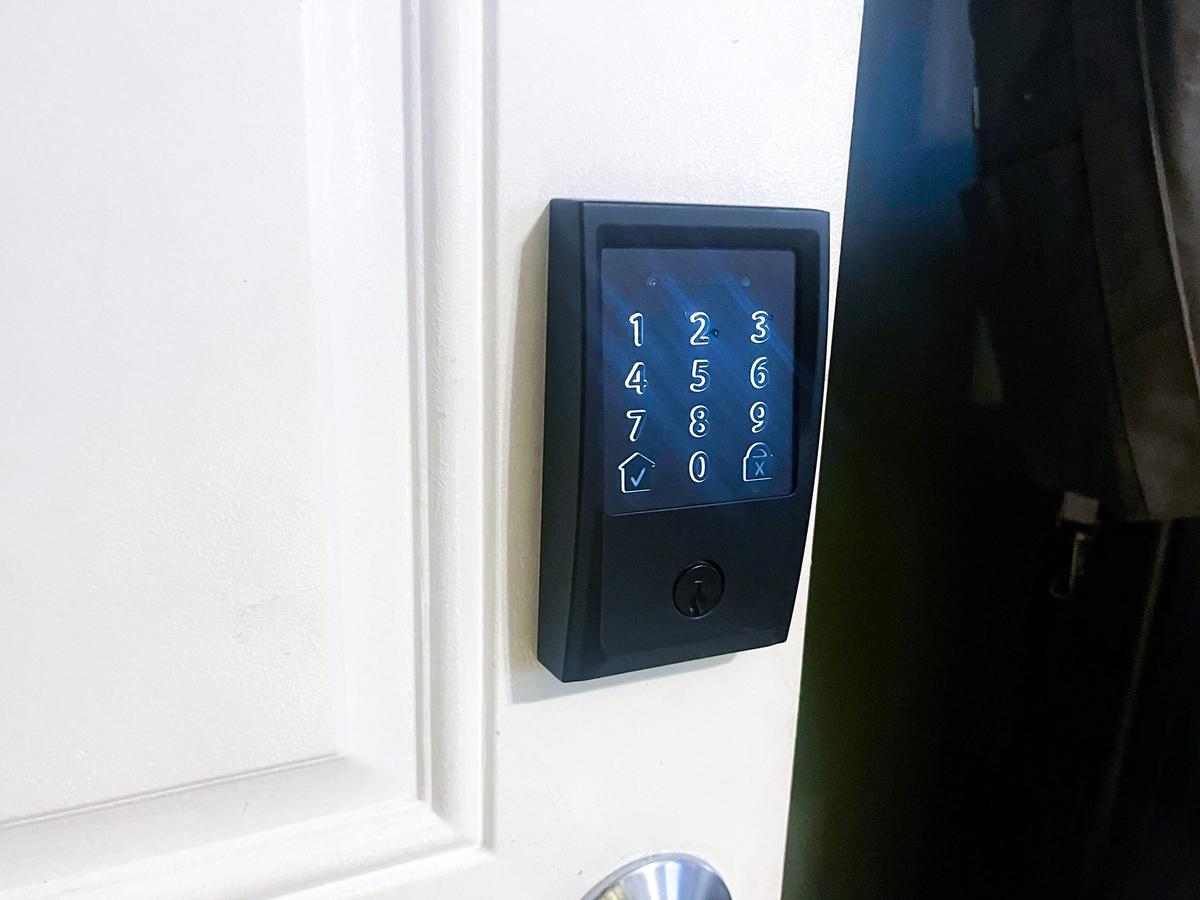
The 8 Best Electronic Deadbolts for People Who Always Forget Their Keys
Companies Mentioned
Why It Matters
Smart deadbolts are reshaping residential security by eliminating keys, enabling remote access, and integrating with voice assistants, which drives consumer demand for higher‑grade, connected locks.
Key Takeaways
- •Schlage Encode provides Wi‑Fi, 100 codes, ANSI Grade 1 security
- •Wyze Lock Bolt V2 is $80, Wi‑Fi, fingerprint, BHMA Grade 2
- •Kwikset Halo Touch offers fingerprint, Wi‑Fi, no Apple HomeKit
- •Yale Assure Lock 2 adds auto‑unlock, Apple Home Key, 250 codes
- •FamiLock S3 Max bundles 2K camera, palm‑vein, Grade 1 for $399
Pulse Analysis
The smart‑lock market is entering a phase of rapid differentiation, as manufacturers blend traditional security standards with consumer‑grade convenience. ANSI and BHMA grades remain the benchmark for durability, yet buyers now prioritize Wi‑Fi or Matter connectivity, biometric options, and integration with ecosystems like Alexa, Google Home, and Apple Home Key. Products such as the Schlage Encode and FamiLock S3 Max illustrate how high‑grade hardware can coexist with cloud‑based management, enabling homeowners to grant temporary codes, monitor activity logs, and lock doors remotely—features that were once exclusive to commercial access control.
Pricing stratification reflects the trade‑off between feature richness and battery life. Budget models like the Wyze Lock Bolt V2 deliver essential remote access and fingerprint unlocking for under $100, but they compromise on weather resistance and battery longevity. Mid‑range offerings, including the Kwikset Halo Touch and Yale Assure Lock 2, add robust smart‑home compatibility and auto‑unlock functions while maintaining reasonable battery cycles. Premium solutions, exemplified by the FamiLock S3 Max, bundle video intercoms and advanced biometrics, justifying a $399 price tag but demanding more frequent recharging. Consumers must align lock capabilities with their home environment—covered porches, Wi‑Fi coverage, and the need for multi‑user management—to avoid overpaying for unnecessary features.
Industry analysts predict continued growth as smart‑home adoption accelerates and standards like Matter simplify cross‑platform integration. Manufacturers that combine top‑tier security certifications with seamless user experiences—such as easy re‑keying, anti‑peep keypads, and reliable battery alerts—will capture the most market share. Homeowners, especially renters and short‑term hosts, are increasingly valuing remote access control for guest management, making locks with extensive code limits and app‑based sharing, like the Yale Assure Lock 2’s 250‑code capacity, particularly compelling. As the ecosystem matures, the emphasis will shift from merely eliminating keys to creating holistic, secure entry points that integrate with broader home automation strategies.
The 8 Best Electronic Deadbolts for People Who Always Forget Their Keys
Comments
Want to join the conversation?
Loading comments...