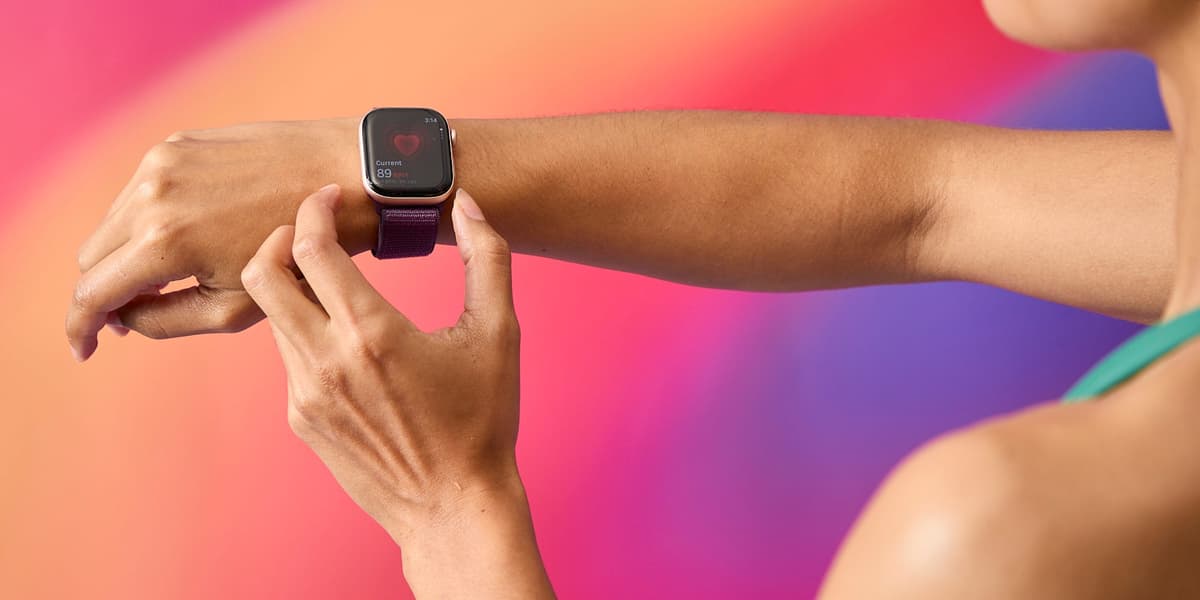
The 9 Best Fitness Trackers For Women, Tested And Reviewed By Fitness Editors
Why It Matters
The review clarifies a crowded market, guiding consumers toward devices that balance cost, health insights, and ecosystem lock‑in, which drives purchasing decisions in the fast‑growing wearables sector.
Key Takeaways
- •Fitbit Charge 6 offers premium features for $120, includes six‑month Premium.
- •Amazfit Active 2 provides sub‑$100 price and up to 10‑day battery.
- •Apple Watch Series 11 delivers 80% faster charging but requires daily recharge.
- •Whoop 5.0 is screen‑less, subscription‑based, and offers 14‑day battery life.
- •Garmin Vivoactive 6 boasts up to two‑week battery and integrated sleep coach.
Pulse Analysis
The wearable market continues its rapid expansion, with women’s fitness trackers gaining particular traction as health‑focused consumers seek more granular data on sleep, stress, and menstrual cycles. Devices that blend accurate biometric sensors with user‑friendly interfaces, like the Fitbit Charge 6, are resonating because they deliver clinically‑grade insights without the premium price tag of flagship smartwatches. As fitness apps integrate deeper with health platforms, the demand for seamless data syncing across Android and iOS ecosystems is reshaping product roadmaps, pushing manufacturers to prioritize cross‑platform compatibility and extended battery life.
Price‑performance trade‑offs dominate buyer decisions. Budget models such as the Amazfit Active 2 demonstrate that sub‑$100 trackers can still offer reliable heart‑rate monitoring, multi‑sport tracking, and impressive ten‑day battery endurance, challenging the notion that only high‑priced wearables provide accuracy. Conversely, premium offerings like the Apple Watch Series 11 and Garmin Vivoactive 6 leverage ecosystem lock‑in—Apple’s iOS and Garmin’s fitness network—to justify higher costs, bundling features like ECG, sleep‑apnea detection, and advanced GPS navigation. Subscription‑based services, exemplified by Whoop 5.0, add a recurring revenue layer, delivering personalized recovery coaching while demanding a $199 annual commitment, a model that may appeal to data‑driven athletes but deter casual users.
Looking ahead, the convergence of wearables with telehealth and employer wellness programs will likely accelerate. As regulators scrutinize health data privacy, manufacturers must ensure secure data handling while offering actionable insights that integrate with electronic medical records. Consumers will increasingly favor devices that not only track activity but also provide predictive analytics for injury prevention and performance optimization. For women specifically, trackers that incorporate period and fertility metrics—now standard on many platforms—will remain a differentiator, cementing the importance of holistic health monitoring in the next generation of fitness wearables.
The 9 Best Fitness Trackers For Women, Tested And Reviewed By Fitness Editors
Comments
Want to join the conversation?
Loading comments...