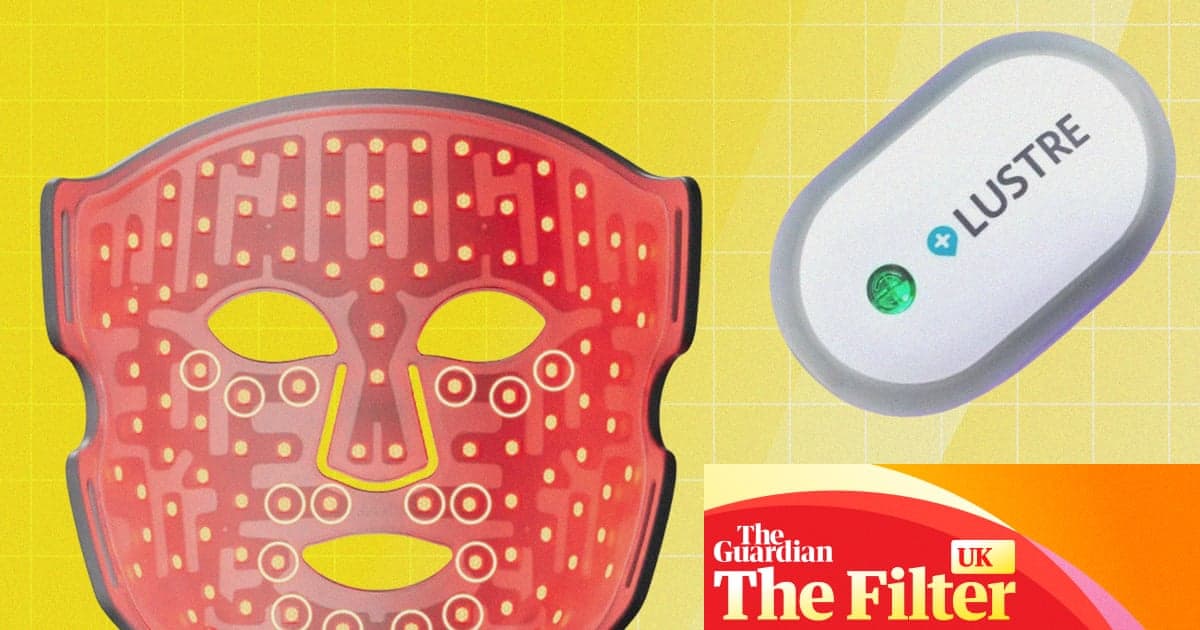
The Best LED Face Masks in the UK, Tested: 11 Light Therapy Devices that Are Worth the Hype
•March 5, 2026
0
Why It Matters
The review clarifies which LED masks deliver measurable anti‑ageing or acne benefits, helping consumers justify—or reject—their steep price tags in a crowded market.
Key Takeaways
- •Red/infrared light boosts collagen, improves elasticity
- •Blue light can aggravate hyperpigmentation on darker skin
- •Budget masks (~£100) effective for acne treatment
- •High‑end masks (£300‑£500) offer deeper wavelengths, more LEDs
- •Consistent use (2‑3×/week) needed for visible results
Pulse Analysis
The surge in LED face masks reflects a broader shift toward clinically backed, at‑home aesthetic devices. Originating from 1990s phototherapy research, modern masks harness specific wavelengths—red for collagen synthesis, near‑infrared for deeper tissue repair, and blue for antibacterial action. As consumer demand for non‑invasive anti‑ageing solutions rises, manufacturers are packaging sophisticated light arrays into wearable formats, positioning them alongside traditional skincare products in the premium beauty segment.
Price differentiation is stark: entry‑level models around £100 typically feature fewer LEDs and omit near‑infrared spectra, yet they can still deliver noticeable acne reduction when used regularly. Mid‑range options (£200‑£300) add more LEDs and broader wavelength coverage, improving facial uniformity and treatment speed. High‑end masks (£400‑£500) provide dense LED matrices, multiple programmable protocols, and accessories such as cooling pads, justifying their cost for users targeting deep‑set wrinkles or comprehensive rejuvenation. Safety remains paramount—blue light may trigger hyperpigmentation in darker skin tones, and all devices require proper eye protection and skin preparation.
For consumers, the key to ROI lies in disciplined usage and integration with a proven skincare regimen. Begin with thorough cleansing, follow each session with sunscreen, and consider adjunct serums like retinol or vitamin C to amplify collagen pathways. As LED technology matures, we can expect smarter, app‑controlled masks, personalized dosage algorithms, and expanded research into less‑studied spectra such as green or amber light, further blurring the line between professional dermatology and home‑based skin care.
The best LED face masks in the UK, tested: 11 light therapy devices that are worth the hype
0
Comments
Want to join the conversation?
Loading comments...