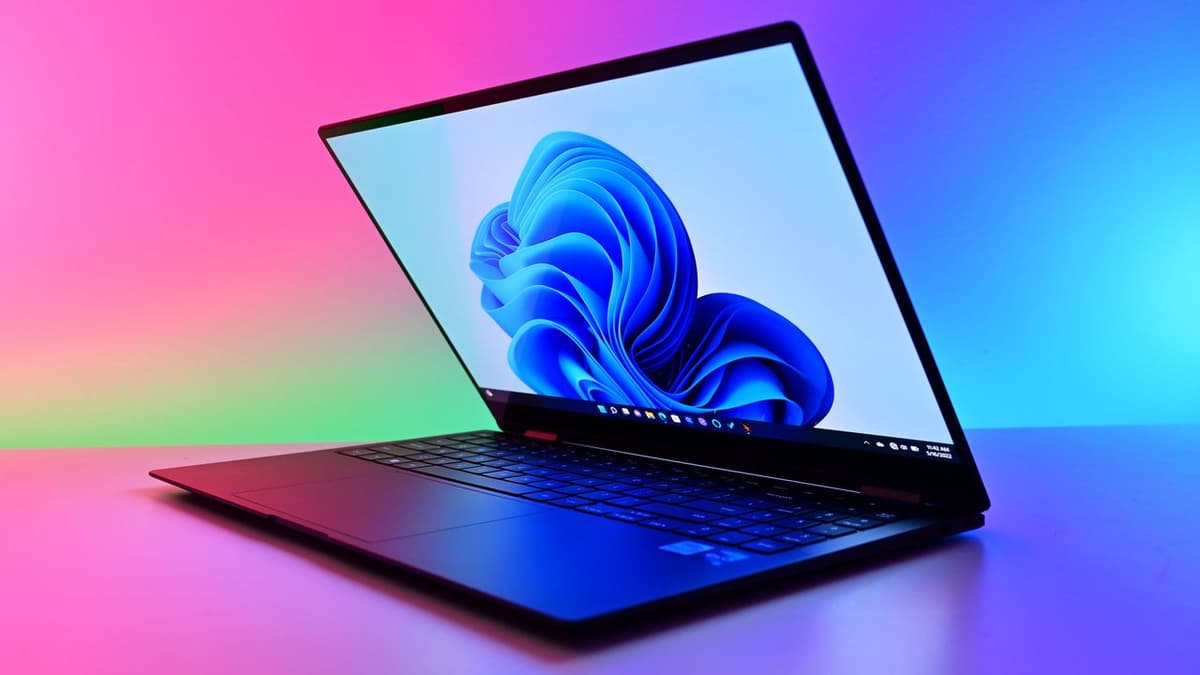
The Future of Samsung's Galaxy Books Might Look More Like Android
Companies Mentioned
Why It Matters
The move positions Samsung to compete directly with Windows laptops and Apple Macs by leveraging Android's app ecosystem and AI capabilities, potentially reshaping the PC market landscape.
Key Takeaways
- •Samsung plans Galaxy Books across low, mid, and flagship tiers
- •New laptops will replace Chrome OS with Android‑based AluminumOS
- •AluminumOS will run Android 17 with One UI 9 skin
- •Devices may use Snapdragon X Elite or Exynos processors
- •Launch hints point to Google I/O 2026 keynote
Pulse Analysis
Samsung is reportedly preparing a fresh line of Galaxy Books that will abandon Chrome OS in favor of an Android‑derived platform dubbed AluminumOS. The shift reflects a broader industry trend of converging mobile and desktop experiences, leveraging Android’s massive app ecosystem and Google’s push to make the operating system more versatile on larger screens. By segmenting the new laptops into low‑cost, mid‑range, and flagship categories, Samsung aims to capture a wider slice of the PC market, which has been dominated by Windows laptops and Apple’s MacBook series. This strategic pivot could reshape consumer expectations for what a Windows‑alternative laptop looks like.
AluminumOS is expected to be built on Android 17 and layered with Samsung’s One UI 9, delivering a familiar phone‑tablet interface adapted for laptops. Early leaks suggest deep integration of Google’s Gemini AI, promising context‑aware assistance and advanced multitasking features. Hardware rumors point to either Qualcomm’s Snapdragon X Elite or Samsung’s own Exynos chips powering the devices, which would enable efficient power consumption and native support for 5G connectivity. Such a combination of a mobile‑centric OS and high‑performance silicon could give Samsung a unique value proposition, especially for users who prioritize seamless cross‑device continuity.
If Samsung’s timeline aligns with Google’s I/O 2026 event, the announcement could generate significant buzz and set the stage for a new competitive front against Apple’s MacBook line and Microsoft’s Surface portfolio. Developers would need to adapt existing Android apps for larger displays, potentially expanding the app market for productivity tools. For enterprises, an Android‑based laptop could simplify device management by unifying mobile and desktop policies. The success of this venture will hinge on how well AluminumOS balances the flexibility of Android with the robustness expected from a traditional PC, a challenge that could redefine the future of hybrid computing.
The future of Samsung's Galaxy Books might look more like Android
Comments
Want to join the conversation?
Loading comments...