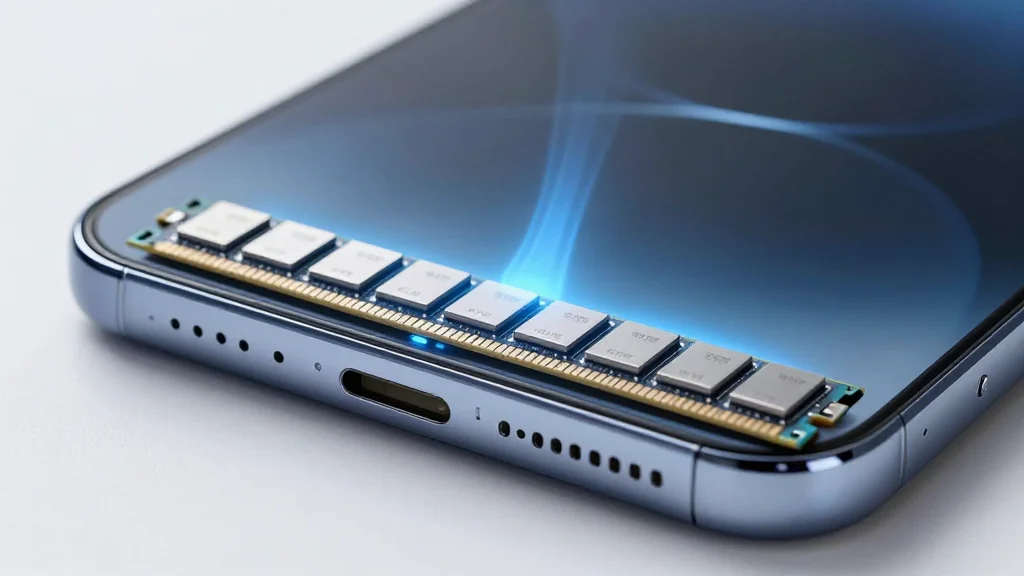
Key Takeaways
- •Memory costs now 15‑40% of device BOM.
- •Variable memory pricing spikes due to limited supplier capacity.
- •Apple can absorb margin hit, leveraging cash to lock suppliers.
- •Potential low‑end $499 iPhone could outprice rivals at $800.
- •Samsung profits from memory surge, outpacing Nvidia’s processor earnings.
Pulse Analysis
The 2026 memory panic highlights how a single component can reshape the economics of a multi‑billion‑dollar product line. Memory, unlike compute chips, has a steep variable cost curve because many suppliers lack the deep inventory needed for Apple’s massive, multi‑year forecasts. When demand spikes, the marginal price can surge, inflating the bill of materials from a modest 15% to a daunting 40%. This volatility forces OEMs to reassess supply contracts and inventory strategies, especially as lead times stretch into years.
Apple’s financial muscle allows it to weather short‑term margin erosion, but the company is also likely to leverage the situation to cement long‑term supplier relationships. By accepting a temporary dip from a 49% to a 45% gross margin, Apple can negotiate favorable terms, secure priority access to scarce DRAM and NAND, and potentially lock out smaller rivals. Such a move could pave the way for a disruptive low‑end iPhone priced at $499, a price point that would undercut competitors whose flagship devices hover around $800, reshaping the premium‑mid tier balance.
The ripple effects extend beyond Apple. Samsung, a major memory producer, is reportedly earning more from DRAM sales than Nvidia does from GPUs, underscoring the sector’s shifting profit centers. As memory prices stabilize, firms that survived the panic—primarily those with deep pockets—will emerge with stronger market positions, while marginal players may exit. The episode reinforces the cyclical nature of semiconductors: a boom in one segment inevitably triggers a bust, prompting industry leaders to adapt their supply chain tactics and product strategies accordingly.
The great memory panic of 2026
Comments
Want to join the conversation?