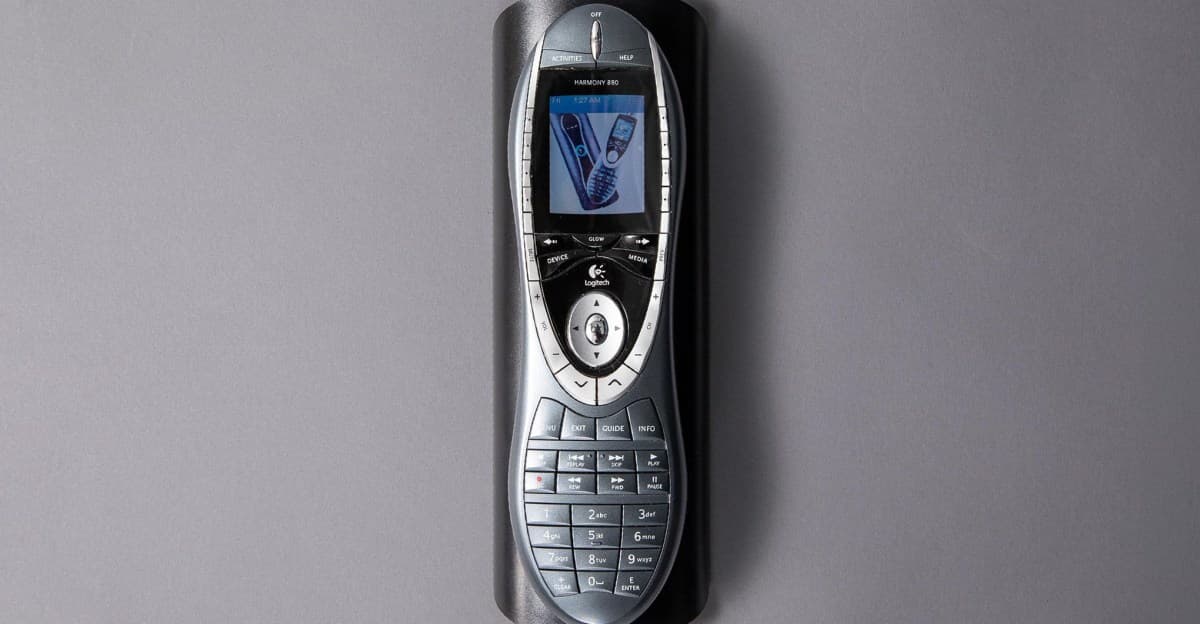
The Impossible Dream of the Universal Remote
Companies Mentioned
Why It Matters
Harmony’s rise and fall illustrate the difficulty of sustaining hardware‑centric control solutions amid rapid software integration, a lesson crucial for companies betting on the smart‑home ecosystem.
Key Takeaways
- •Harmony unified TV, audio, and smart devices under one remote
- •Logitech acquisition expanded Harmony’s device library to over 10,000 products
- •Decline accelerated as smart TVs integrated voice and app controls
- •Legacy support ended in 2021, leaving users with obsolete hardware
- •Universal remote concept resurfaces via AI‑driven voice assistants
Pulse Analysis
When the Easy Zapper entered the market in the early 2000s, it promised a single button‑press solution for a growing maze of consumer electronics. Logitech’s 2009 acquisition rebranded the product as Harmony and leveraged its distribution network to integrate thousands of devices, from legacy DVD players to nascent streaming boxes. The remote’s sleek interface and programmable activities made it a staple for tech‑savvy households, cementing its reputation as the de‑facto universal controller for a decade.
The turning point arrived as manufacturers embedded control layers directly into televisions and soundbars. Smart‑TV platforms like Roku TV, Android TV, and webOS offered native apps and voice commands, while streaming services bypassed traditional IR signals altogether. Logitech’s 2021 decision to drop support for older Harmony models reflected a broader industry shift: consumers preferred app‑based or voice‑first interactions over a physical keypad. The move left many users with functional yet unsupported hardware, underscoring the risk of investing in proprietary control ecosystems that can become obsolete overnight.
Despite the decline, the universal remote concept remains alive in a new guise. AI‑driven voice assistants such as Amazon Alexa, Google Assistant, and Apple Siri now act as software hubs, orchestrating devices across brands through cloud APIs. This software‑centric approach sidesteps the hardware limitations that plagued Harmony, offering a more scalable path to true device unification. For manufacturers, the lesson is clear: future control solutions must prioritize open standards and cloud integration, ensuring longevity as the smart‑home landscape continues to evolve.
The impossible dream of the universal remote
Comments
Want to join the conversation?
Loading comments...