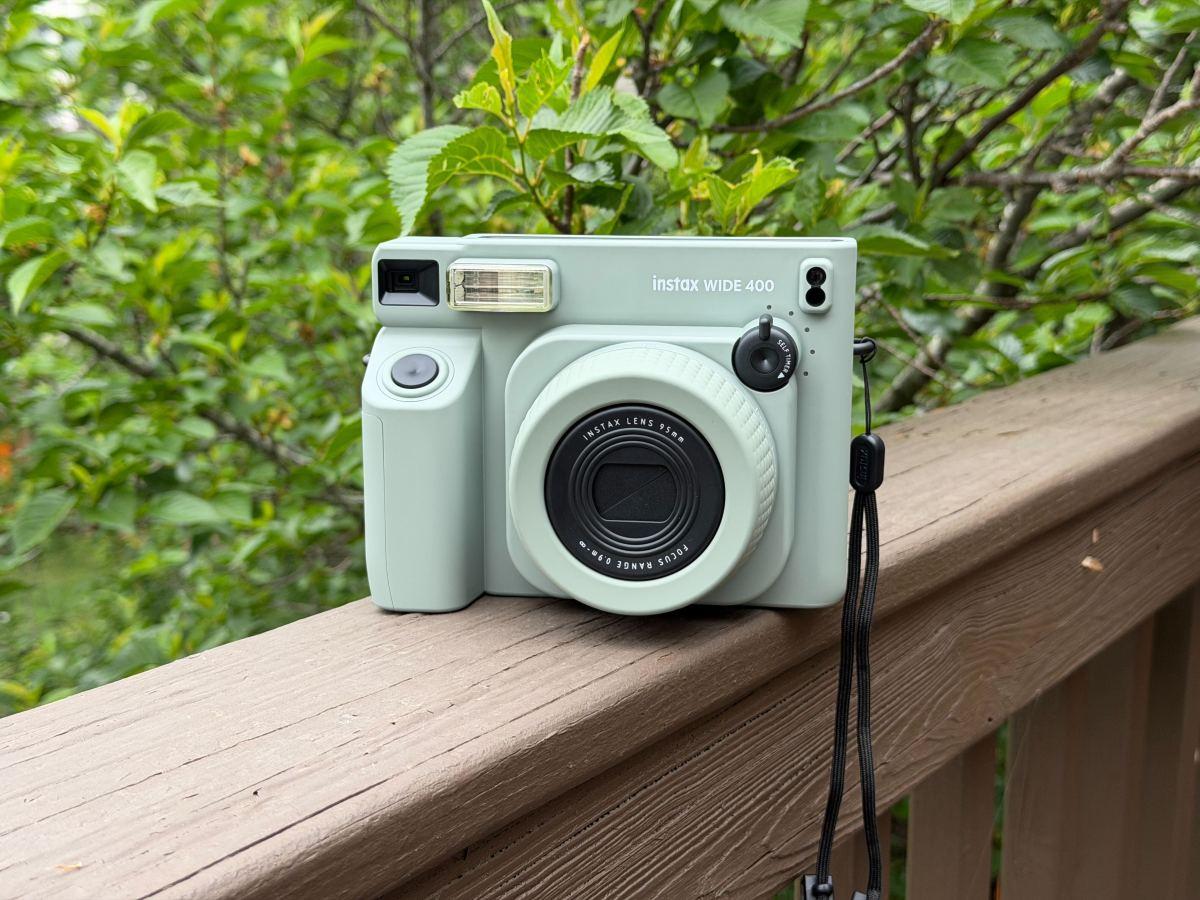
The Instax Wide 400 Builds on Instant Photography’s Simplicity and Stretches It, Literally
Companies Mentioned
Why It Matters
The Wide 400 expands instant photography’s appeal to users who need larger prints for events or creative projects, reinforcing Fujifilm’s dominance in a niche yet growing analog market. Its simplicity lowers the barrier for younger creators while prompting retailers to stock higher‑margin wide‑format film.
Key Takeaways
- •Instax Wide 400 prints 62×99 mm, double Mini size
- •Simple point‑and‑shoot design lacks manual exposure controls
- •Bulkier build requires bag or strap for portability
- •Film packs 20 sheets cost about $26 average
Pulse Analysis
Instant photography has enjoyed a surprising resurgence as consumers seek tactile experiences amid a digital‑first world. Fujifilm, the market leader, leverages its long‑standing film expertise to introduce the Instax Wide 400, targeting a segment that values larger, shareable prints for gatherings, travel and creative displays. By offering a straightforward, fully automatic interface, the camera lowers the learning curve, attracting teens, families and casual hobbyists who might otherwise shy away from more complex analog systems.
The Wide 400’s 62 × 99 mm format delivers a dramatic visual impact, making it ideal for group portraits and scenic compositions that would feel cramped in Mini dimensions. Its built‑in close‑up lens and four‑step self‑timer add modest flexibility without compromising the device’s “point‑and‑shoot” ethos. However, the lack of manual exposure controls means low‑light performance can suffer, and the camera’s 1.4‑pound weight necessitates a bag or strap for comfortable transport. Film pricing—roughly $26 per 20‑sheet pack—positions the system as a premium consumable within the instant market.
For Fujifilm, the Wide 400 reinforces a diversified product line that spans Mini, Square and Wide formats, each catering to distinct use cases and price points. Competitors like Polaroid are eyeing similar large‑format offerings, so Fujifilm’s brand equity and extensive film distribution network provide a competitive edge. Buyers should weigh the trade‑off between size and portability, and consider the ongoing cost of film when budgeting for long‑term use. As the analog niche matures, products that blend simplicity with distinctive output—like the Instax Wide 400—are likely to sustain growth and keep instant photography relevant in a hyper‑digital era.
The Instax Wide 400 builds on instant photography’s simplicity and stretches it, literally
Comments
Want to join the conversation?
Loading comments...