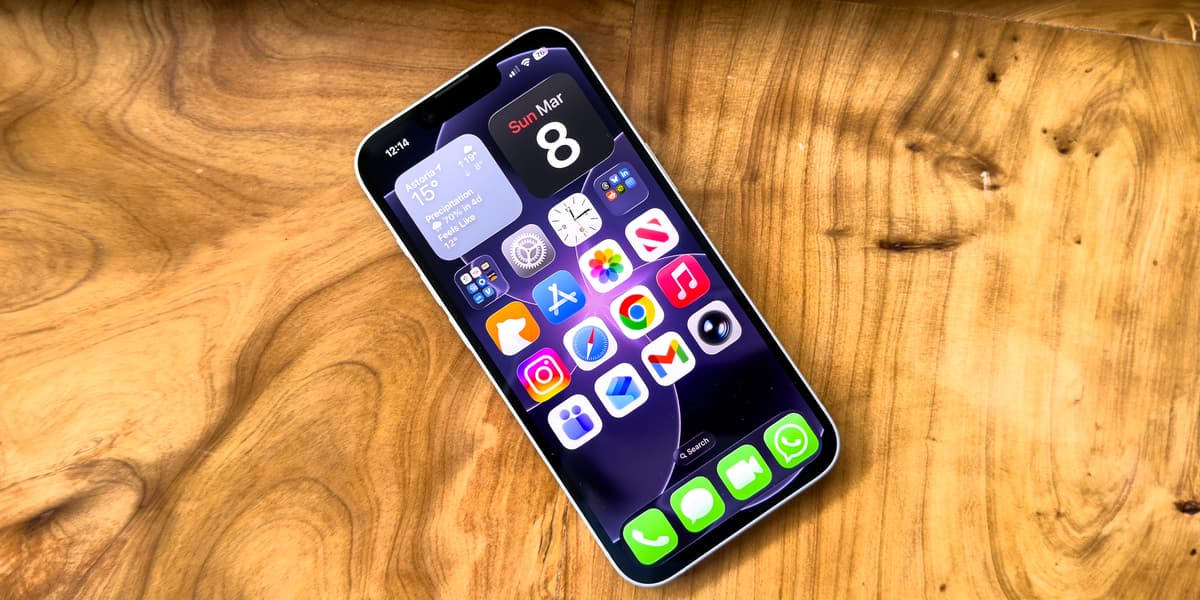
The iPhone 17e Is a Nice Improvement for Apple’s Most Basic Phone
•March 9, 2026
0
Why It Matters
The 17e expands Apple’s reach into the mid‑range market, offering a premium brand at a price point that competes directly with Android budget flagships, potentially boosting volume sales and ecosystem lock‑in.
Key Takeaways
- •A19 Bionic chip improves speed over iPhone 16e
- •MagSafe adds faster 15 W wireless charging
- •Battery lasts a full day of mixed use
- •Camera unchanged, lags behind flagship models
- •Wi‑Fi 7 omitted, limiting future connectivity
Pulse Analysis
Apple’s decision to launch the iPhone 17e reflects a broader industry shift toward affordable premium devices. As consumers grow more price‑conscious, especially in mature markets, Apple leverages its brand equity to capture a segment traditionally dominated by Android manufacturers such as Google and Samsung. By pricing the 17e at $600, Apple not only undercuts its own standard 17 model but also aligns with the entry‑level pricing of competitors, making the iPhone ecosystem more accessible without sacrificing core iOS experiences.
Under the hood, the 17e benefits from the new A19 Bionic chip, delivering noticeable performance gains over the previous generation while maintaining energy efficiency. The inclusion of Ceramic Shield 2 glass enhances durability, and the addition of MagSafe brings faster 15 W wireless charging and a growing ecosystem of magnetic accessories to the budget tier. Battery endurance remains a strong point, easily covering a day of mixed usage thanks to the chip’s efficiency and the omission of a high‑refresh‑rate display, which also helps keep power draw low.
For buyers, the 17e offers a compelling value proposition: a compact, robust iPhone with flagship‑level processing power and future‑proof 5G connectivity, albeit with compromises on camera sophistication and the latest Wi‑Fi 7 standard. This trade‑off positions the device as a long‑term, reliable option for users who prioritize ecosystem integration over cutting‑edge specs. As Apple continues to refine its lower‑end lineup, the 17e may set a new baseline for budget smartphones, influencing competitors to elevate performance and accessory support in their own entry‑level offerings.
The iPhone 17e is a Nice Improvement for Apple’s Most Basic Phone
0
Comments
Want to join the conversation?
Loading comments...