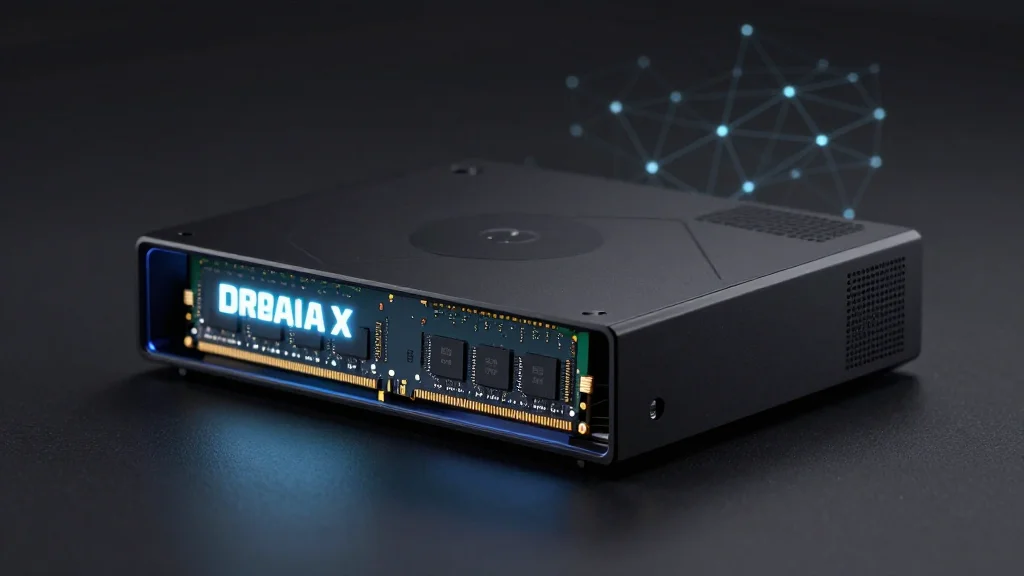
The Next Xbox Could Be Waiting on the Memory Market
Companies Mentioned
Why It Matters
Memory shortages threaten to inflate console costs and push back launch dates, reshaping Microsoft’s gaming roadmap and its competitive stance against rivals. The issue underscores how AI‑fuelled component demand can ripple into consumer electronics timelines.
Key Takeaways
- •Xbox launch timing hinges on global DRAM and NAND supply
- •AI workloads are driving memory price spikes across industries
- •Microsoft may delay Project Helix to avoid cost overruns
- •Unified memory architecture ties console performance to component costs
- •Competing cloud providers secure priority memory, squeezing console manufacturers
Pulse Analysis
The global memory market has entered a tight‑rope phase, with AI training clusters and hyperscale data centers gobbling up high‑bandwidth DRAM and NAND flash. Prices for these components have risen sharply, forcing manufacturers across the board to reassess product cost structures. For console makers, the impact is acute because modern gaming systems rely on unified memory architectures that blend GPU, CPU, and storage bandwidth into a single pool. Any fluctuation in memory pricing reverberates through the entire bill of materials, compelling designers to balance performance aspirations against fiscal realities.
Microsoft’s Project Helix illustrates this dilemma. While the company aims to deliver a console capable of running both native games and PC titles, the escalating cost of memory threatens to push the retail price beyond the sweet spot that has defined Xbox’s market positioning. Asha Sharma’s admission that the launch timeline is on hold signals a strategic pause to avoid locking in specifications that could become financially untenable. By delaying the release, Microsoft can monitor memory price trends, negotiate better supply contracts, and potentially redesign the hardware to use more cost‑effective memory configurations without sacrificing the unified experience it promises.
The broader industry watches closely, as the memory crunch could set a precedent for future console cycles. Competitors may either accelerate their own launches before prices climb further or adopt alternative architectures that rely less on high‑end DRAM. Investors should note that Microsoft’s dual focus on AI infrastructure and gaming creates both a risk—shared component scarcity—and an opportunity—leveraging bulk purchasing power. As AI workloads continue to dominate memory demand, the companies that can secure stable supply chains will gain a decisive edge in delivering next‑gen hardware on schedule and at competitive prices.
The next Xbox could be waiting on the memory market
Comments
Want to join the conversation?
Loading comments...