The Old Fitbit App Is Becoming Google Health in Under Two Weeks — Here's What to Know
Companies Mentioned
Why It Matters
The rebrand unifies Google’s health and fitness ecosystem, creating a single data hub that fuels AI‑driven services and a higher‑margin subscription model. It positions Google to capture more consumer health data and subscription revenue in a competitive market.
Key Takeaways
- •Fitbit app auto‑updates to Google Health on May 19
- •All Fitbit data transfers automatically; Fit users can migrate later
- •Health Premium costs $99/year, $20 more than Fitbit Premium
- •Premium free for Google AI Pro/Ultra users in 30+ countries
- •New AI Coach improves sleep accuracy by 15% and adds nutrition tools
Pulse Analysis
Google’s decision to fold Fitbit into a newly branded Google Health app marks the final phase of a multi‑year integration that began with its 2021 acquisition. By pushing an OTA update rather than a separate download, Google eliminates friction for the 30 million‑plus Fitbit users, ensuring that activity, sleep, and vitals data flow into a single repository that also syncs with Google Fit, Apple Health, and third‑party platforms via Health Connect. This consolidation mirrors earlier moves with Nest and promises a more cohesive user experience while giving Google a richer data set for its AI initiatives.
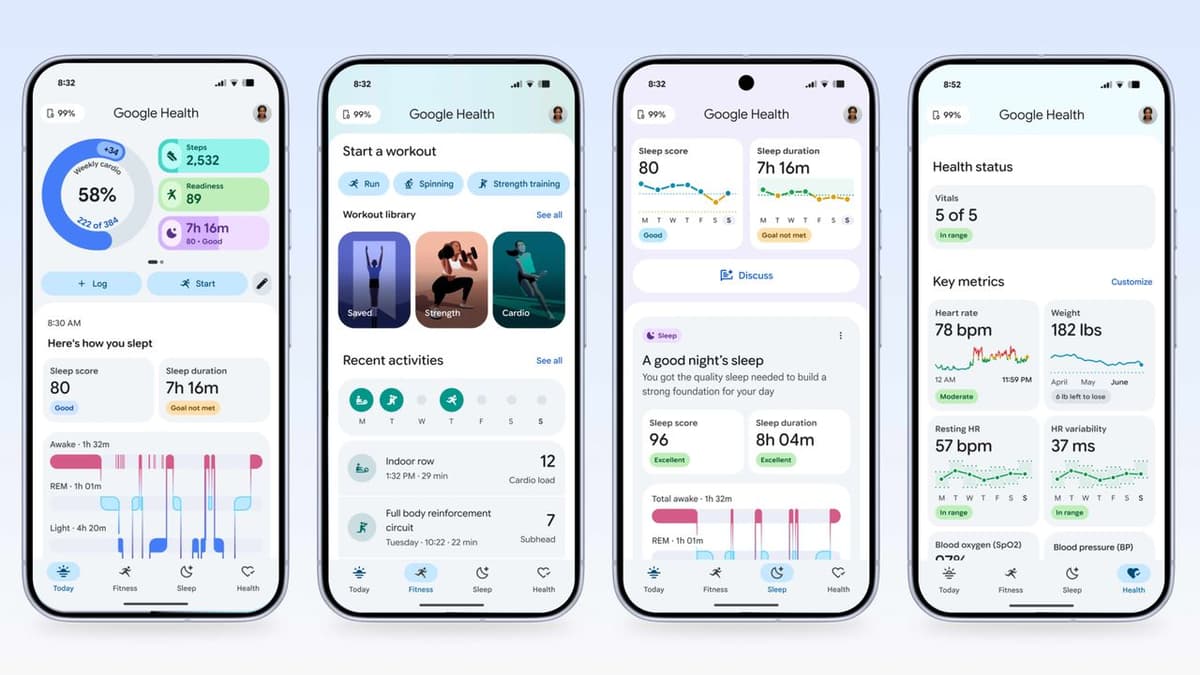
The revamped Google Health app introduces several premium‑grade features that differentiate it from the legacy Fitbit offering. The AI‑driven Health Coach, powered by Google’s Gemini models, provides personalized workout and nutrition guidance, while machine‑learning‑enhanced sleep tracking claims a 15% accuracy boost. New tabs for Today, Fitness, Sleep, and Health let users customize dashboards, and expanded leaderboards turn step counts into social competition. By supporting a wide array of devices—from Wear OS watches to Peloton and MyFitnessPal—the app positions itself as a universal health hub, potentially increasing user stickiness and cross‑selling opportunities for Google’s broader ecosystem.
From a business perspective, the rebrand serves two strategic goals: data centralization and revenue growth. Health Premium now costs $99 annually, a $20 hike that may test price‑sensitive users, but the tier is bundled free for Google AI Pro and Ultra subscribers in over 30 markets, effectively using the health service as a value‑add to boost higher‑margin Google One subscriptions. As privacy regulations tighten, Google will need to balance data integration benefits with transparent consent practices, but the move undeniably strengthens its foothold in the burgeoning consumer‑health market.
The old Fitbit app is becoming Google Health in under two weeks — here's what to know
Comments
Want to join the conversation?
Loading comments...