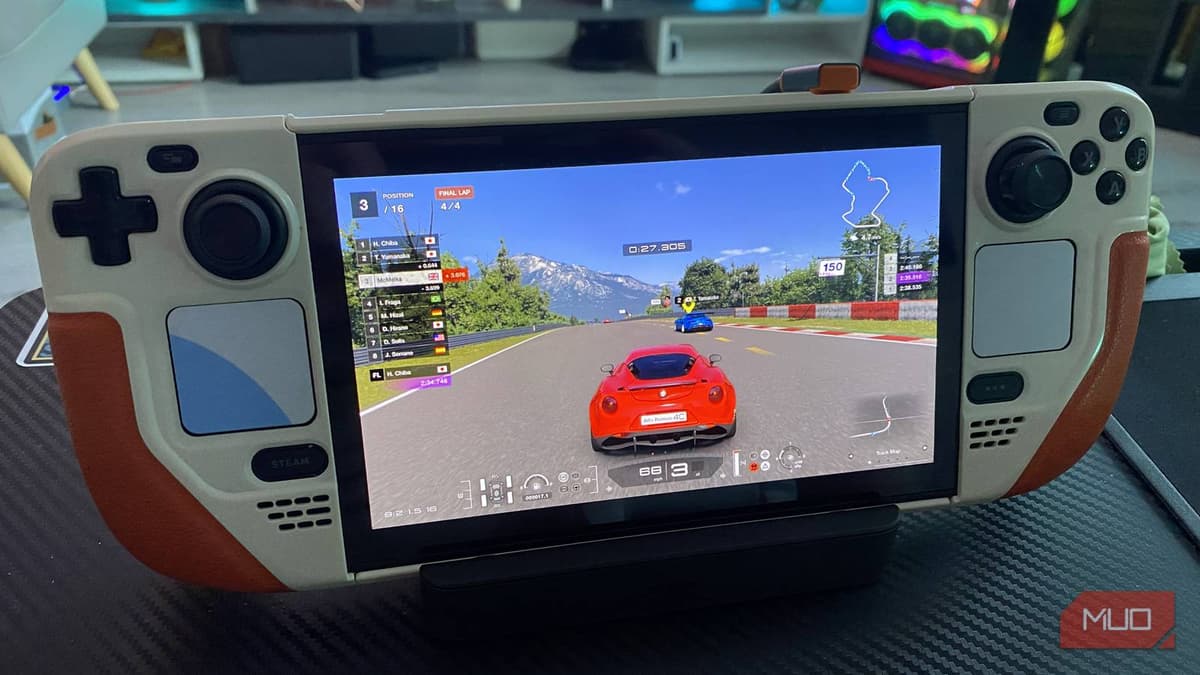
The Steam Deck OLED Beats Every Rival because of One Thing No Windows Handheld Can Match
Why It Matters
The Deck’s superior display and OS integration give it a competitive edge in the handheld PC market, influencing consumer preference away from Windows‑based rivals. Its scarcity also highlights supply‑chain pressures affecting premium gaming hardware pricing.
Key Takeaways
- •OLED screen delivers 1000 nits peak brightness, 90 Hz refresh
- •SteamOS with Proton runs Windows games smoothly on Linux
- •Trackpads enable precise point‑and‑click, outperforming rival controls
- •Steam Deck Verified label simplifies finding compatible titles
- •Supply constraints keep OLED Deck prices above MSRP
Pulse Analysis
The Steam Deck OLED’s display is its most compelling differentiator. While its 720p resolution may seem modest, the panel’s 1,000‑nit peak brightness and 90 Hz refresh rate produce crisp, vibrant visuals that outshine the LCD screens of competing handhelds, including the upcoming Nintendo Switch 2. HDR titles such as Elden Ring look especially striking, giving the Deck a premium feel that appeals to gamers who prioritize visual fidelity on the go.
Beyond the screen, Valve’s SteamOS, paired with the open‑source Proton layer, transforms the Deck into a versatile Linux gaming hub. Proton translates Windows titles with low latency, allowing the handheld to run a vast library without the resource drain typical of Windows OS. This efficiency translates into longer battery life and a smoother user experience, reinforcing the Deck’s reputation as a plug‑and‑play solution that rivals the more cumbersome Windows handhelds, which often require frequent driver tweaks and consume more power.
Market dynamics, however, temper enthusiasm. A worldwide RAM shortage has throttled production, making the OLED model scarce and often sold above its $549 MSRP. Competitors like the ROG Ally X and Lenovo Legion Go offer higher specs but lack the Deck’s refined OS and trackpad design. As supply constraints ease, the Deck’s blend of high‑quality display, robust software ecosystem, and competitive pricing could reshape the handheld PC segment, pressuring rivals to improve both hardware and software integration.
The Steam Deck OLED beats every rival because of one thing no Windows handheld can match
Comments
Want to join the conversation?
Loading comments...