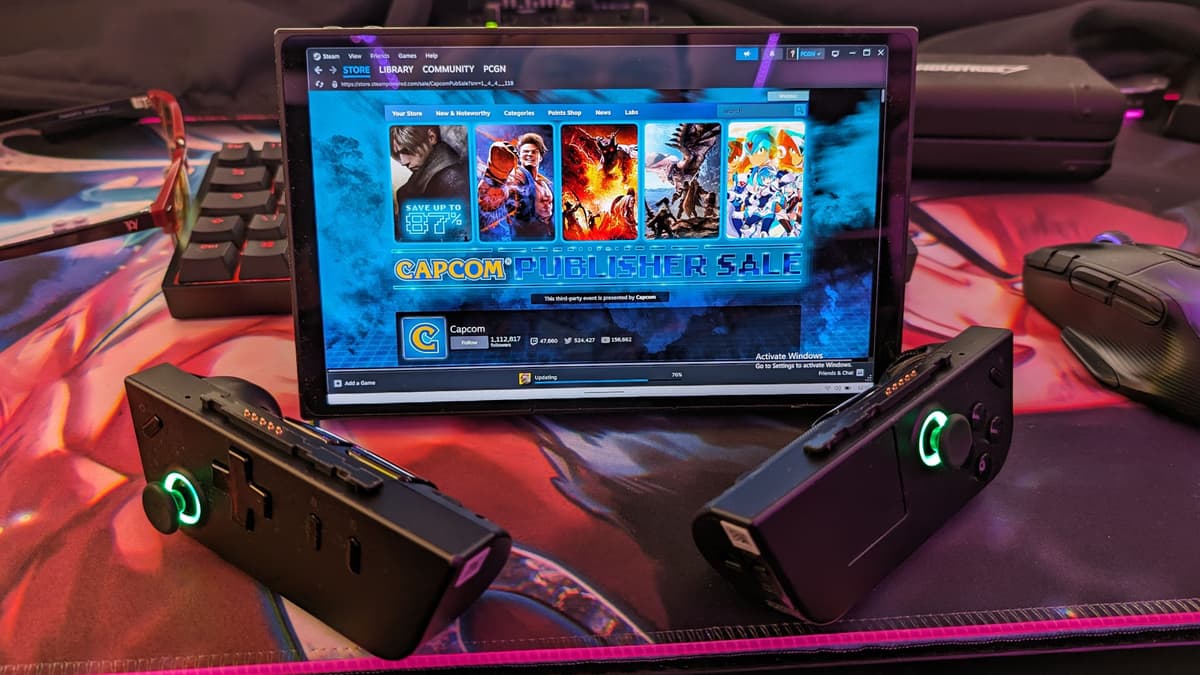
The Xbox Full Screen Experience Is Coming to Lenovo Legion Go Handhelds, but Can It Really Take on SteamOS?
•March 9, 2026
0
Why It Matters
The test could make Windows handhelds more competitive against SteamOS devices, influencing buyer decisions in the fast‑growing portable gaming market.
Key Takeaways
- •Xbox Full Screen Experience entering testing phase on Legion Go.
- •Lenovo seeks user feedback before full rollout.
- •Windows 11 remains base OS, unlike SteamOS alternatives.
- •Limited registration window: 29 hours remaining.
- •Competition with SteamOS may intensify handheld market.
Pulse Analysis
Handheld gaming has become a battleground for operating system strategies, with Valve’s SteamOS setting a user‑friendly benchmark on the Steam Deck. Lenovo’s Legion Go series, praised for its performance, battery life, and high‑refresh display, has been hampered by Windows 11’s less intuitive interface. Gamers often resort to third‑party builds like Bazzite or HoloISO to mimic SteamOS’s console feel, highlighting a clear demand for a more seamless out‑of‑the‑box experience. Microsoft’s Xbox Full Screen Experience promises to overlay a console‑style UI on Windows, reducing the need for manual configuration and potentially attracting users who value Windows compatibility without sacrificing ease of use.
The Full Screen Experience, first seen on ASUS’s ROG Xbox Ally, launches a full‑screen launcher that auto‑detects installed Xbox Game Pass titles and routes controller input directly to games. By partnering with Lenovo for a beta program, Microsoft can gather real‑world performance data and address driver quirks specific to the Legion Go’s AMD chipset. The limited‑time sign‑up creates urgency, but also ensures a focused test cohort that can provide detailed feedback on latency, battery impact, and UI responsiveness. If the beta proves stable, a broader rollout could position the Legion Go as a viable alternative to the Steam Deck for gamers who prefer the Microsoft ecosystem.
Strategically, this collaboration pits two heavyweight ecosystems—Microsoft’s Xbox Game Pass and Valve’s Steam—against each other in the handheld niche. Success could shift market dynamics, encouraging other OEMs to adopt similar overlay solutions rather than fully switching to Linux‑based OSes. Conversely, if SteamOS continues to evolve with better driver support and community tools, the Xbox overlay may remain a niche enhancement. For investors and industry watchers, the outcome of this test will indicate whether Windows‑based handhelds can regain relevance or if the future of portable PC gaming will be dominated by Linux‑centric platforms.
The Xbox Full Screen Experience is coming to Lenovo Legion Go handhelds, but can it really take on SteamOS?
0
Comments
Want to join the conversation?
Loading comments...