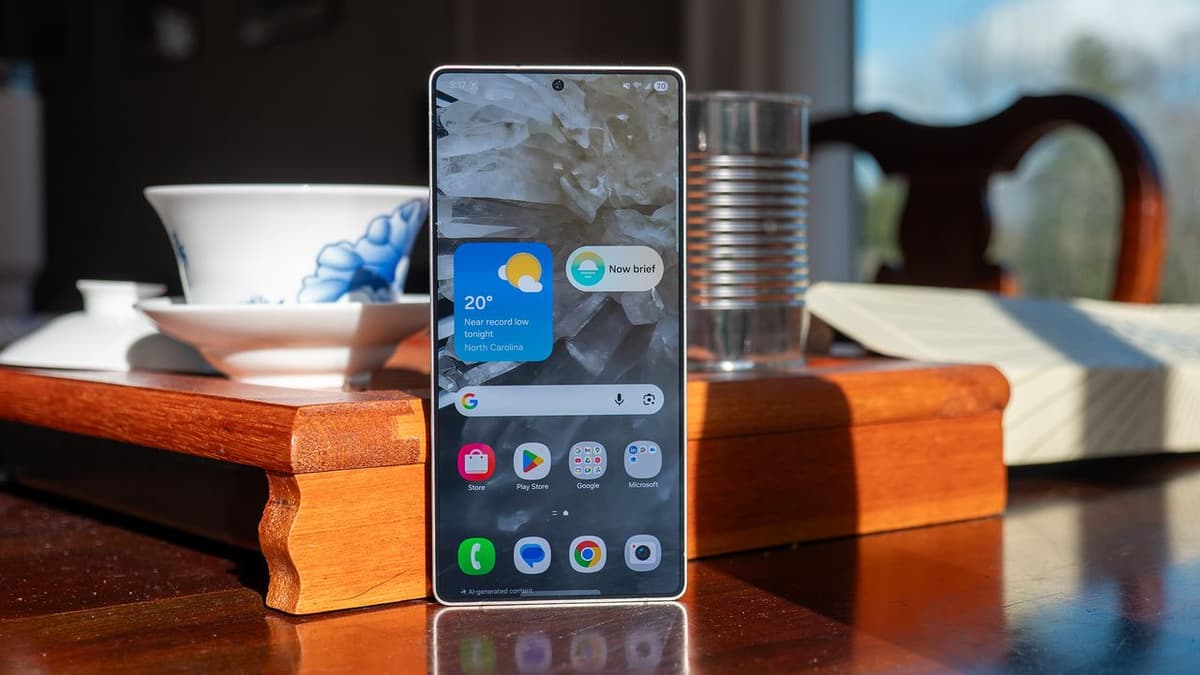
These 3 Samsung Messages Features Will Be Hard to Give up — but Switching to Google Messages Might Not Be All Bad
Companies Mentioned
Why It Matters
The forced migration reshapes the Android messaging landscape, influencing user satisfaction and setting the stage for Google to either fill the feature gap or cede ground to third‑party apps.
Key Takeaways
- •Samsung Messages ends July 2026; Google Messages becomes default
- •Samsung’s deep chat customization and color palettes disappear
- •Message categorization by sender is not available in Google Messages
- •Google Messages adds RCS support, web access, trash folder, spam filter
- •Gemini AI button can be disabled but adds UI clutter
Pulse Analysis
Samsung’s decision to retire its native Messages app marks a significant shift for Galaxy owners. The app, which has been pre‑installed on devices for over a decade, will stop sending messages in July 2026, leaving only emergency contacts functional. This timeline gives users roughly three years to transition, but the change also signals Samsung’s strategic pivot away from maintaining its own RCS stack, relying instead on Google’s universal implementation that already powers most Android devices.
The most palpable losses are Samsung’s customization depth and organizational tools. Users could personalize chat bubbles, apply theme‑derived palettes, and even set wallpaper‑based colors—options that turn messaging into a branded experience. Equally valuable was the message categorization feature, mirroring Gmail’s tab system, which let users sort texts from banks, deliveries, or social contacts into distinct folders. Google Messages, while robust in RCS functionality and now equipped with a trash bin, web sync, and enhanced spam detection, offers only basic light and dark themes and no native categorization, leaving power users seeking workarounds.
For the broader Android ecosystem, the handoff underscores Google’s growing influence over core communication services. If Google can quickly integrate the missing customization and categorization capabilities—perhaps leveraging AI while respecting privacy—it could consolidate its position as the default messaging platform. Conversely, the gap may open opportunities for third‑party apps to capture niche audiences craving deeper personalization. Either way, the transition challenges users to reassess how they manage daily conversations and prompts developers to innovate within the evolving RCS landscape.
These 3 Samsung Messages features will be hard to give up — but switching to Google Messages might not be all bad
Comments
Want to join the conversation?
Loading comments...