These 4 Smart Home Devices Promised to Save Me Time — They Did the Opposite
Why It Matters
The review highlights a gap between consumer hype for seamless automation and the current reliability of smart‑home products, influencing buying decisions and slowing broader market adoption.
Key Takeaways
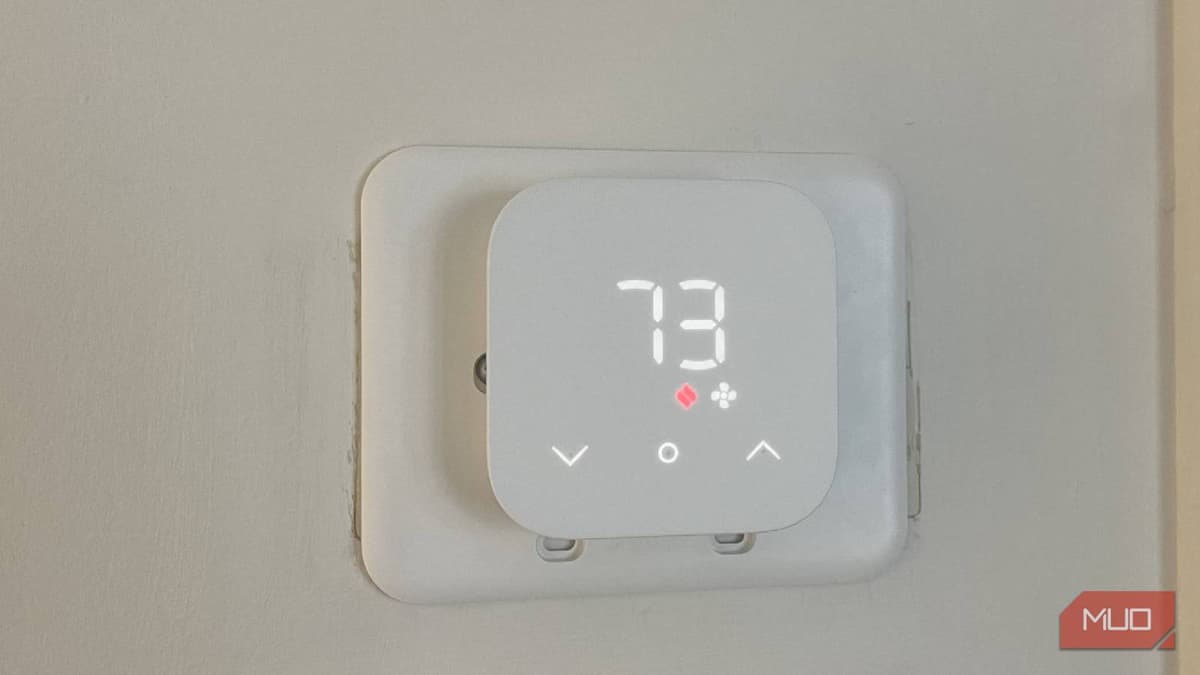
- •Wi‑Fi outages can render smart thermostats unusable, negating energy‑saving benefits
- •Govee Outdoor Motion Sensor frequently missed motion, requiring constant app recalibration
- •Multi‑device smart hubs demand extensive setup; incompatibilities cause lag or failure
- •Touchless towel dispensers still require manual tearing, offering minimal time savings
- •Consumer frustration underscores need for better interoperability standards like Matter
Pulse Analysis
The smart‑home market has surged, driven by promises of energy savings, convenience, and unified control. Yet, as Hachey’s experience shows, many devices still hinge on fragile Wi‑Fi connections and proprietary apps, creating single points of failure. When a thermostat loses network access, temperature regulation defaults to manual settings, eroding the very efficiency it was meant to deliver. Likewise, motion sensors that fail to detect presence force users back to manual switches, undermining the automation narrative that manufacturers tout.
Device‑level shortcomings also stem from integration challenges. Universal controllers aim to consolidate lights, cameras, TVs, and more under one remote, but the reality is a patchwork of protocols—Zigbee, Thread, Matter—each with its own quirks. Consumers often juggle multiple apps, and any lag or incompatibility quickly turns a sleek setup into a troubleshooting marathon. The touchless paper‑towel dispenser, while novel, illustrates how incremental automation can miss the mark when it doesn’t address the core user task, offering only a marginal time‑saving.
Looking ahead, industry momentum around the Matter standard promises to streamline cross‑brand compatibility, reducing the need for device‑specific hubs. Manufacturers must also prioritize offline functionality, ensuring essential features operate without constant cloud reliance. For buyers, the takeaway is to evaluate a product’s resilience to network interruptions and its adherence to emerging interoperability standards before committing. As standards mature, the gap between smart‑home hype and reliable everyday use should narrow, delivering the promised efficiency gains.
These 4 smart home devices promised to save me time — they did the opposite
Comments
Want to join the conversation?
Loading comments...