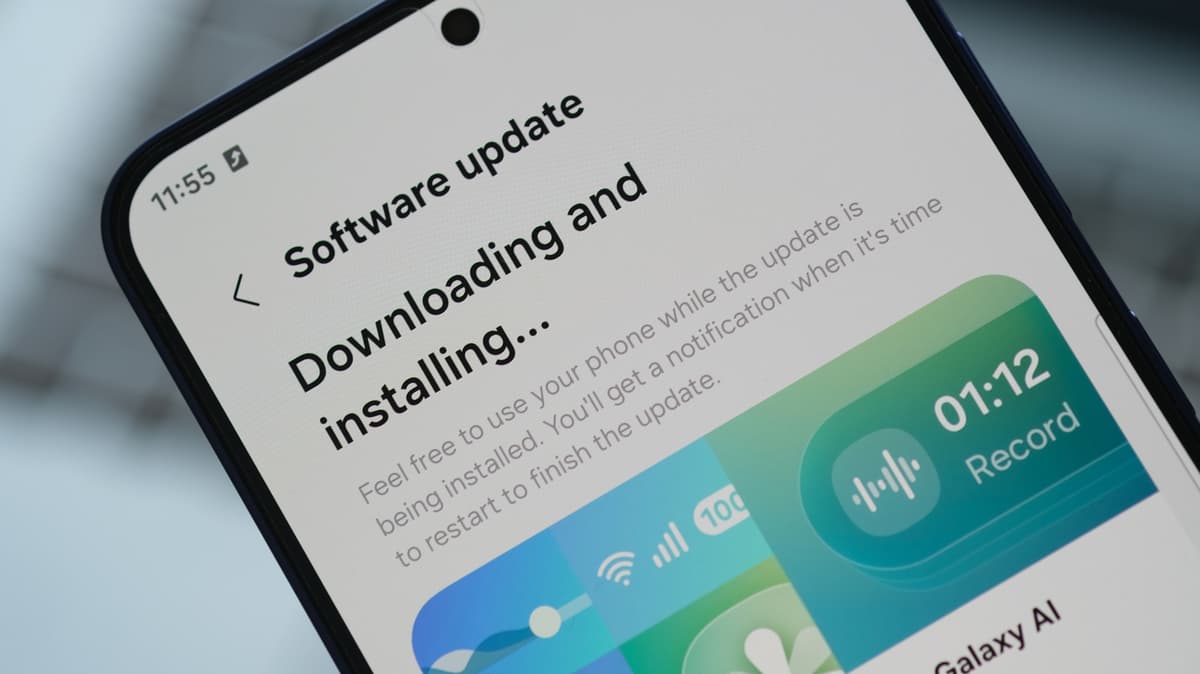
These Smartphones Will No Longer Get Updates Or Support In 2026
•March 1, 2026
0
Companies Mentioned


Why It Matters
Without security patches, these devices become easy targets for hackers, threatening personal data and undermining consumer confidence in legacy smartphones. The shift also pressures users to invest in newer hardware, influencing market dynamics and resale values.
Key Takeaways
- •Samsung S21 series fully unsupported as of 2026
- •iPhone SE becomes obsolete, no repairs or updates
- •Pixel 6 ends five‑year support in October 2026
- •Mid‑range Samsung, Motorola, LG phones lose updates in 2026
- •Upgrade or install LineageOS to maintain security
Pulse Analysis
The smartphone ecosystem is entering a pivotal phase as manufacturers tighten update windows and retire legacy devices. Samsung, Apple, Google, and others have pledged longer support for flagship models, yet a cascade of older phones—ranging from the Galaxy S21 lineup to budget Samsung A-series, Motorola’s recent G‑series, and even the once‑ubiquitous LG handsets—will lose both feature and security updates by 2026. This trend reflects a broader industry move toward sustainable software lifecycles, but it also forces consumers to confront the hidden costs of aging hardware, especially as security threats evolve.
For users, the implications are immediate and tangible. Devices like the Samsung Note 20 and iPhone SE, now classified as obsolete, will no longer receive critical patches, leaving them vulnerable to exploits that can compromise financial apps, passwords, and personal documents. Repair options shrink as manufacturers discontinue parts and official service, reducing resale value and increasing the risk of data loss. Meanwhile, mid‑range Android phones—such as Samsung’s A03/A22/A52, Motorola’s G‑series, and all LG models—face a hard stop on security updates, making them unsuitable for enterprise or privacy‑focused use.
The prudent response is twofold: upgrade to a device still under a supported update schedule, or extend the life of existing hardware through reputable custom ROMs like LineageOS, which continue to deliver security patches for legacy platforms. Budget‑friendly options, including the Nothing Phone 3A or newer mid‑range flagships, now offer longer software commitments at sub‑$500 price points. As the market gravitates toward seven‑year support promises, consumers should prioritize devices with clear update roadmaps to safeguard data and maintain operational continuity.
These Smartphones Will No Longer Get Updates Or Support In 2026
0
Comments
Want to join the conversation?
Loading comments...