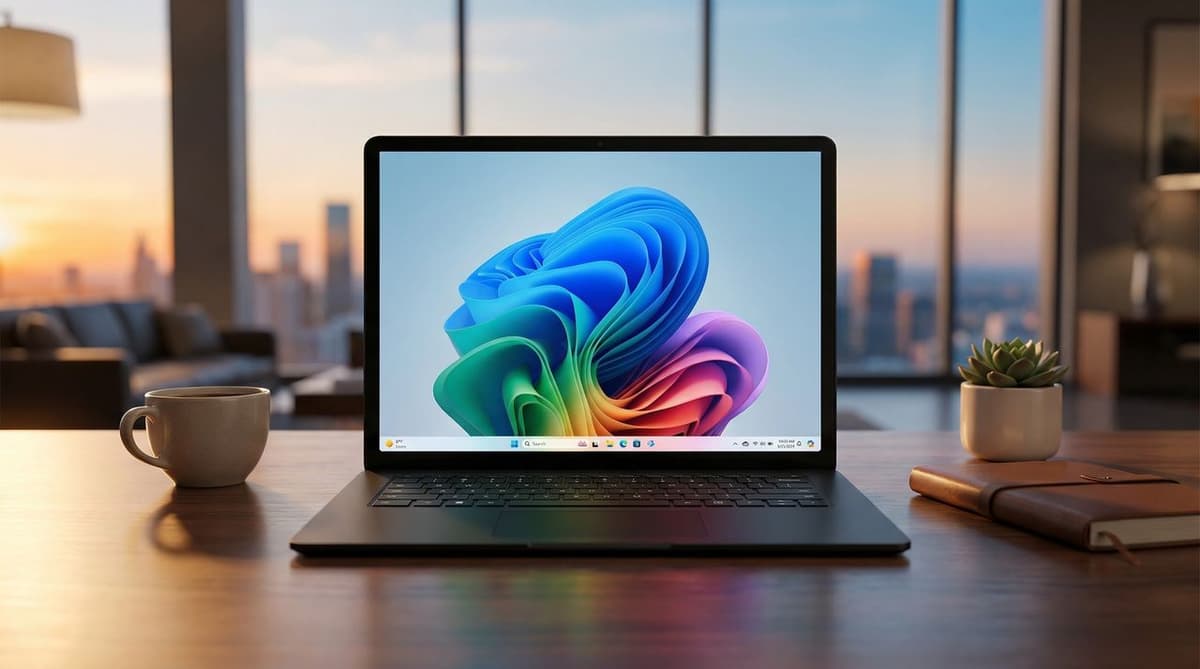
Things Are Looking Worse for Laptop Prices, but Not for Microsoft's Ultimate Snapdragon X Elite Laptop — This 5-Star Copilot+ PC Is Now Under $1,000
•February 22, 2026
0
Why It Matters
The sub‑$1,000 price makes a premium ARM‑powered laptop accessible to mainstream professionals, accelerating adoption of AI‑centric hardware in the enterprise market.
Key Takeaways
- •Surface Laptop 7 priced under $1,000 after 29% discount
- •Snapdragon X Elite ARM CPU delivers high‑end performance
- •Integrated NPU offers up to 45 TOPS for AI tasks
- •Wi‑Fi 7 and Bluetooth 5.4 provide next‑gen connectivity
- •PRISM emulation enables legacy x86 apps on ARM platform
Pulse Analysis
Laptop pricing pressure has intensified as manufacturers chase premium features while consumers demand value. Microsoft’s decision to slash the Surface Laptop 7’s price reflects a broader industry trend toward more affordable, high‑spec devices. By positioning an ARM‑based machine at under $1,000, the company challenges the traditional x86 dominance and offers a compelling alternative for budget‑conscious professionals who still need robust performance.
The Snapdragon X Elite processor is the centerpiece of this shift. Its eight‑core architecture, combined with a 45 TOPS neural processing unit, enables real‑time AI functions such as Copilot+ assistance, language translation, and on‑device image generation. Coupled with a 120 Hz, 600‑nit display and up to 20 hours of battery life, the laptop delivers a seamless blend of productivity and multimedia capability. Native ARM64 app support, plus Microsoft’s PRISM emulation for legacy x86 software, ensures compatibility across the Windows ecosystem without sacrificing speed.
From a market perspective, the sub‑$1,000 price point could catalyze broader ARM adoption in the corporate sector. Competitors like Dell and HP have yet to match this combination of price, performance, and AI integration, giving Microsoft a strategic edge. As Wi‑Fi 7 and Bluetooth 5.4 become standard, devices that bundle these connectivity upgrades with powerful AI hardware will likely set the benchmark for next‑generation workstations, influencing purchasing decisions well into 2026.
Things are looking worse for laptop prices, but not for Microsoft's ultimate Snapdragon X Elite laptop — this 5-Star Copilot+ PC is now under $1,000
0
Comments
Want to join the conversation?
Loading comments...