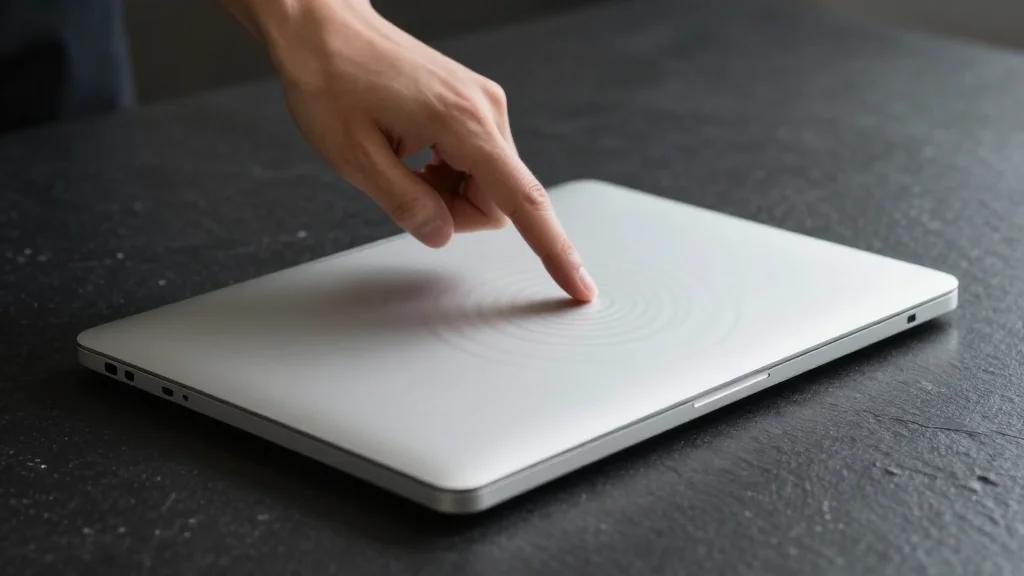
This App Makes Your MacBook Moan when You Slap It, and It's Going Viral
Why It Matters
The rapid viral uptake demonstrates how humor‑driven, sensor‑based apps can generate immediate revenue and showcase unconventional uses of existing hardware, prompting developers to explore similar low‑cost, high‑engagement experiences.
Key Takeaways
- •SlapMac launched in 48 hours, priced $5.
- •7,000+ installs and $5,000 revenue in three days.
- •Uses MacBook accelerometer to trigger 160 sound effects.
- •Added USB Moaner, break timer, sensitivity controls.
- •Shows novelty apps can repurpose hardware sensors creatively.
Pulse Analysis
The rise of SlapMac underscores a growing niche where developers leverage built‑in hardware sensors for entertainment rather than productivity. Modern laptops embed accelerometers, gyroscopes, and ambient light sensors primarily for system stability and power management. By tapping into these components, creators can craft playful experiences that resonate on social platforms, turning ordinary devices into interactive toys. This approach reduces development overhead—no external peripherals are needed—while offering a fresh avenue for user‑generated content and viral marketing.
Catapano’s swift rollout illustrates the power of rapid prototyping combined with community buzz. Within 48 hours he delivered a polished Swift app, a landing page, and licensing, pricing it at a modest $5. The viral Instagram clip acted as free advertising, driving over 7,000 downloads and $5,000 in sales in just three days. Subsequent updates—nine sound packs, a USB‑Moaner, and gamified hit counters—keep users engaged, turning a one‑off joke into a recurring revenue stream. This case study shows that even low‑margin novelty software can achieve profitability when paired with strong social sharing.
For the broader tech ecosystem, SlapMac highlights the untapped potential of sensor data for consumer‑facing experiences. Developers can experiment with haptic feedback, motion‑triggered visuals, or context‑aware audio without additional hardware costs. However, the novelty must be balanced against device durability and brand perception; encouraging users to physically strike expensive hardware carries risk. As manufacturers continue to embed richer sensor suites, we can expect more creative, albeit whimsical, applications that blur the line between utility and entertainment, expanding the app marketplace beyond traditional productivity tools.
This app makes your MacBook moan when you slap it, and it's going viral
Comments
Want to join the conversation?
Loading comments...